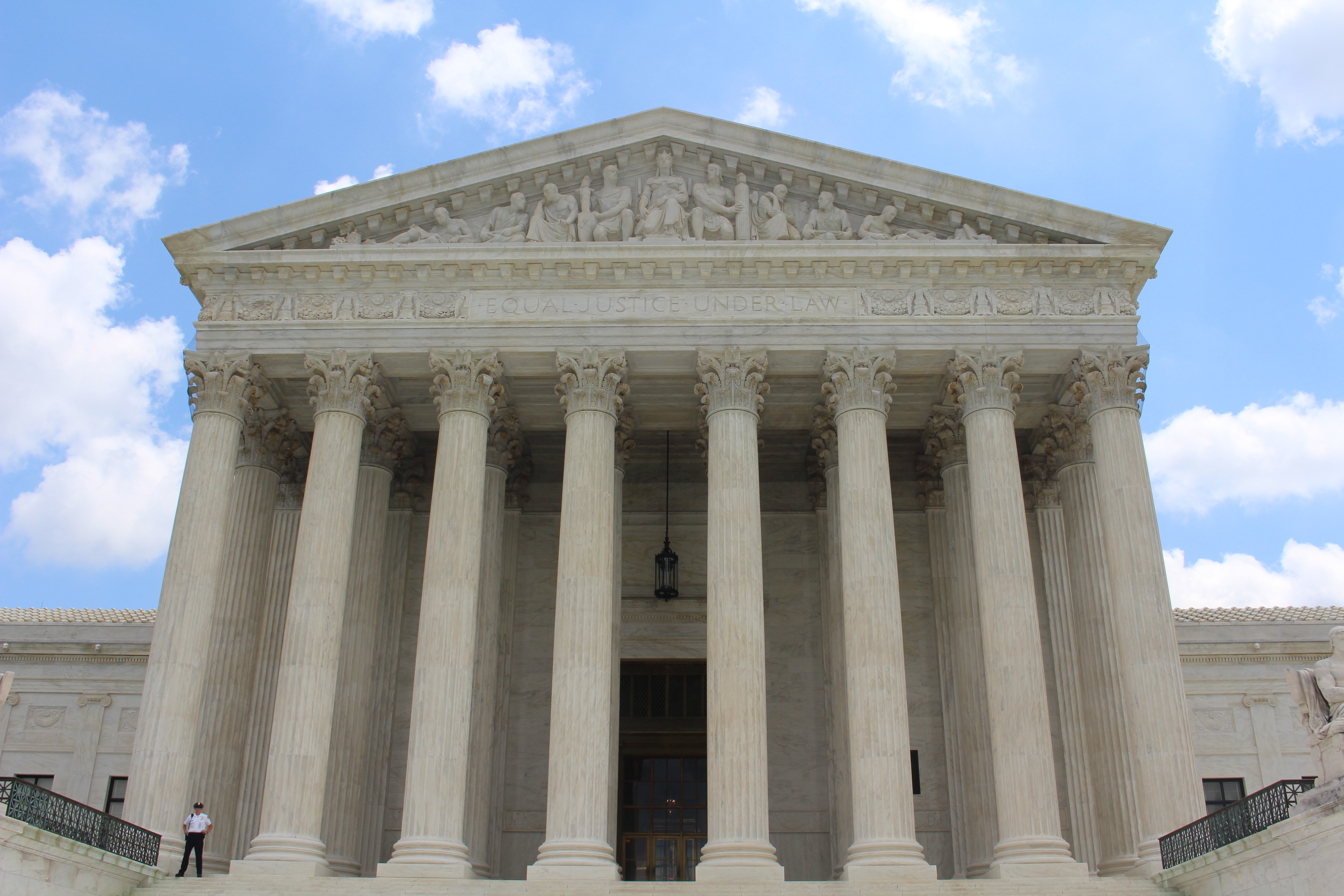
Deputy Paulinho da Força (Solidariedade-SP) said he is calm regarding the Supreme Federal Court's validation of the dosimetry law project.
The legislation is significant because it seeks to reduce penalties for individuals involved in the events of Jan. 8 [1]. If approved, the law could provide legal relief to several defendants, including former President Jair Bolsonaro.
Paulinho da Força, acting as the relator of the project, said that the Supreme Federal Court (STF) has not raised objections to the proposal [2]. He said the court is likely to validate the measure within the month [3].
"I am calm with the STF, there were no objections from the Court," Paulinho da Força said [2]. He said that the court members have not complained about the direction of the project [4].
The deputy said that the project is the most viable path forward for the legislature. He said that a competing proposal, the amnesty PEC, lacks the necessary time to advance through the congressional process [3].
Because the amnesty amendment is stalled by time constraints, the dosimetry law remains the primary mechanism for adjusting the sentencing of those convicted in relation to the Jan. 8 [1] riots. The relator expects the STF to finalize its position on the matter quickly [3].
"They didn't complain," Paulinho da Força said regarding the STF's current stance [4].
“"I am calm with the STF, there were no objections from the Court."”
The potential validation of the dosimetry law represents a strategic shift in how Brazil handles the legal aftermath of the January 8 insurrection. By focusing on sentence adjustment rather than full amnesty, the legislature is pursuing a path that may be more palatable to the Supreme Court while still achieving the goal of reducing prison terms for political allies.