
Ethanol prices in Brazil fell by 5.6% during May 2026, marking the most significant decline among all monitored fuels [1].
This price shift occurs as the country manages its energy transition and fuel costs, directly impacting consumer spending and the competitiveness of biofuels against fossil fuels. Because many Brazilian vehicles are flexible-fuel, these price drops typically shift consumer demand away from gasoline.
The price reduction was most evident during the first half of May [2]. According to data from the Instituto de Pesquisas Tecnológicas (IPT), the hydrated ethanol sector experienced a downturn that outpaced other fuel types [2].
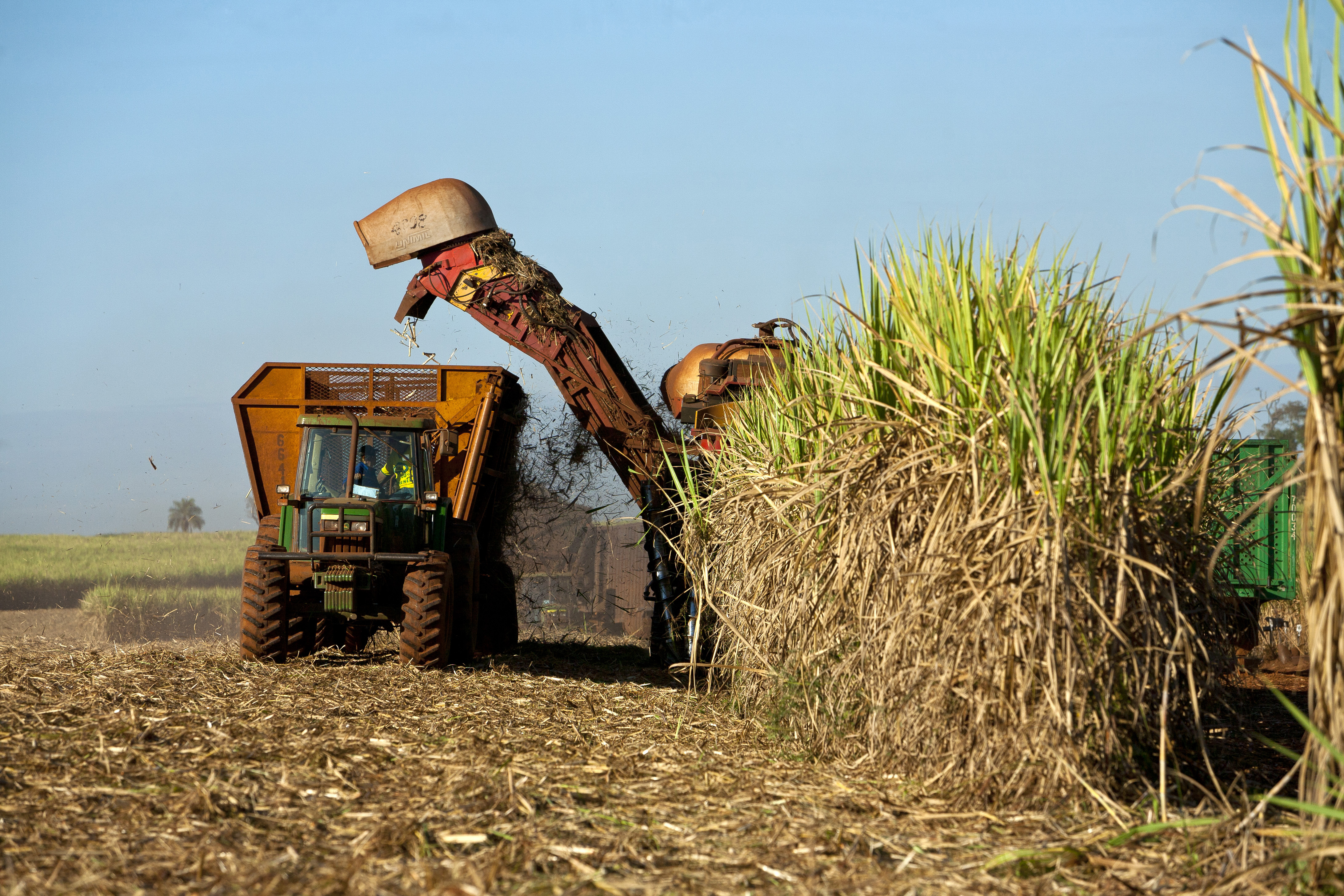
Industry analysts said the price drop is due to the 2026/27 sugarcane harvest. The harvest is currently advancing in the Centro-Sul region, which is the heart of Brazil's ethanol production [1]. As the harvest progresses, the increased volume of raw sugarcane entering processing plants has boosted the overall supply of ethanol [1].
This surge in supply has created downward pressure on market prices. The Centro-Sul region remains the primary driver of fuel stability in the country, providing the bulk of the ethanol used in the national market [1].
While other fuels also saw declines during the first two weeks of May, none reached the 5.6% threshold recorded for hydrated ethanol [1]. The trend reflects the seasonal nature of biofuel production, where harvest peaks typically lead to lower costs at the pump for consumers [1].
“Ethanol prices in Brazil fell by 5.6% during May 2026”
The price decline underscores the volatility and seasonality of the biofuels market. As the 2026/27 sugarcane harvest increases supply in the Centro-Sul region, the resulting price drop makes ethanol more economically attractive than gasoline for flex-fuel vehicle owners, potentially lowering overall carbon emissions for the period.


