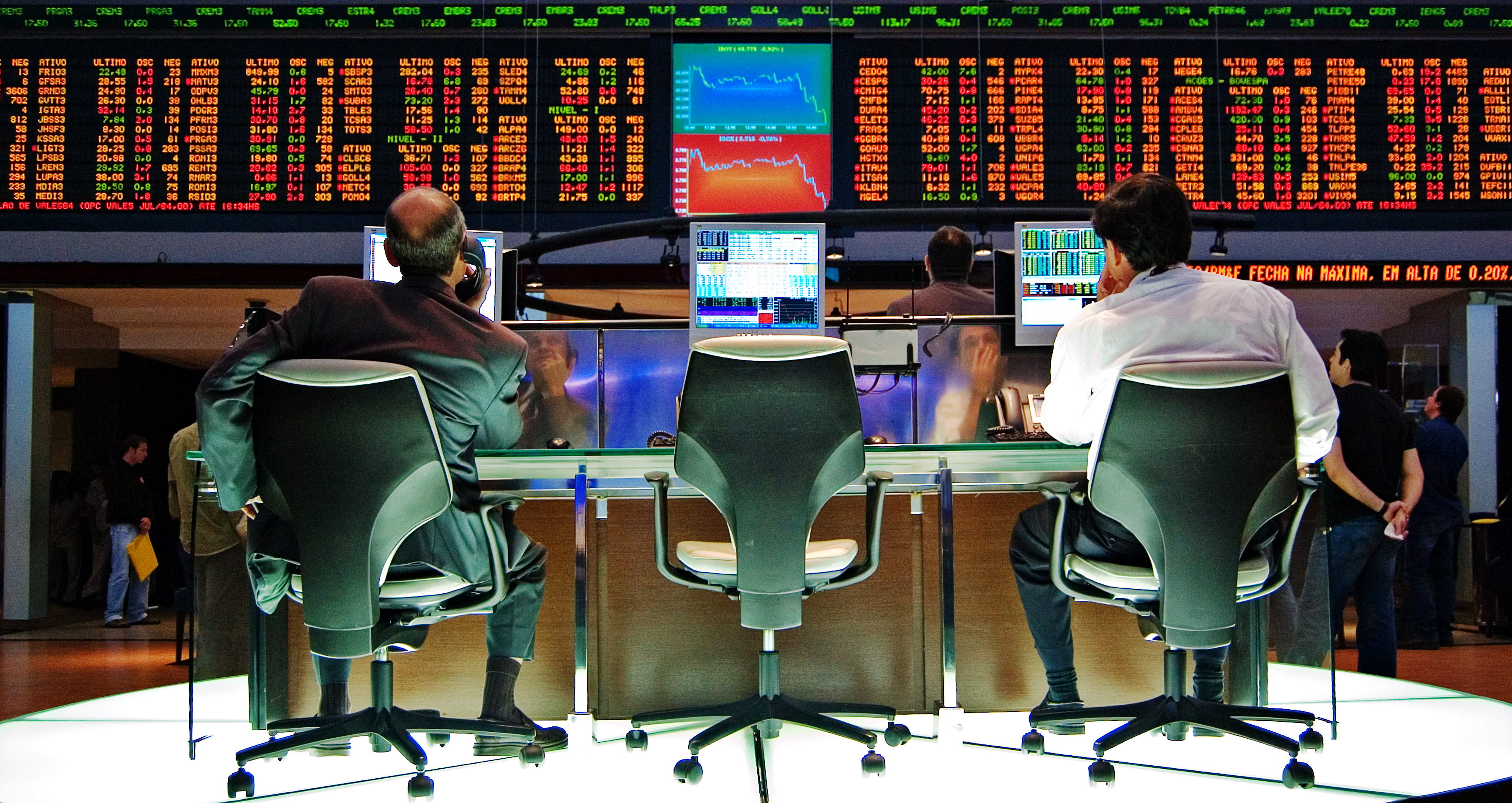
The Brazilian financial market closed lower on Thursday as the Ibovespa index dropped and the U.S. dollar rose [1].
This volatility reflects growing economic instability caused by deteriorating trade relations between Brasilia and Washington. The shift suggests that investors are increasingly wary of the impact that restrictive trade policies may have on Brazil's export-led growth.
Financial analyst Denise Campos de Toledo said the downturn was driven by rising trade tensions and the implementation of new U.S. tariffs on Brazilian products [1]. These measures have triggered a wave of risk aversion among investors, leading to a sell-off in domestic equities and a flight toward the safety of the dollar.
Data regarding the scale of the decline varies across reports. One report indicated the Ibovespa fell 1.24% to 173,825 points [1], while another source cited a steeper drop of 1.8% [2].
The U.S. dollar also saw gains, though the magnitude of the increase is disputed. Some data shows the dollar rose 0.40% to a rate of R$5.098 [1]. However, other reporting suggests a more significant surge of 2.27%, marking the largest increase in five months and pushing the currency above R$5.00 [2].
These fluctuations occur as Brazil navigates a complex diplomatic landscape with its largest trading partner. The introduction of tariffs creates immediate pressure on the B3 stock exchange, the heart of Brazil's financial system, and complicates the national strategy for currency stabilization.
“The Ibovespa fell 1.24% to 173,825 points”
The divergence in reported numbers highlights a volatile market environment where rapid shifts in sentiment occur. The correlation between U.S. tariff announcements and the immediate drop in the Ibovespa underscores Brazil's vulnerability to U.S. trade policy, suggesting that diplomatic friction now translates directly into financial instability for the national market.


