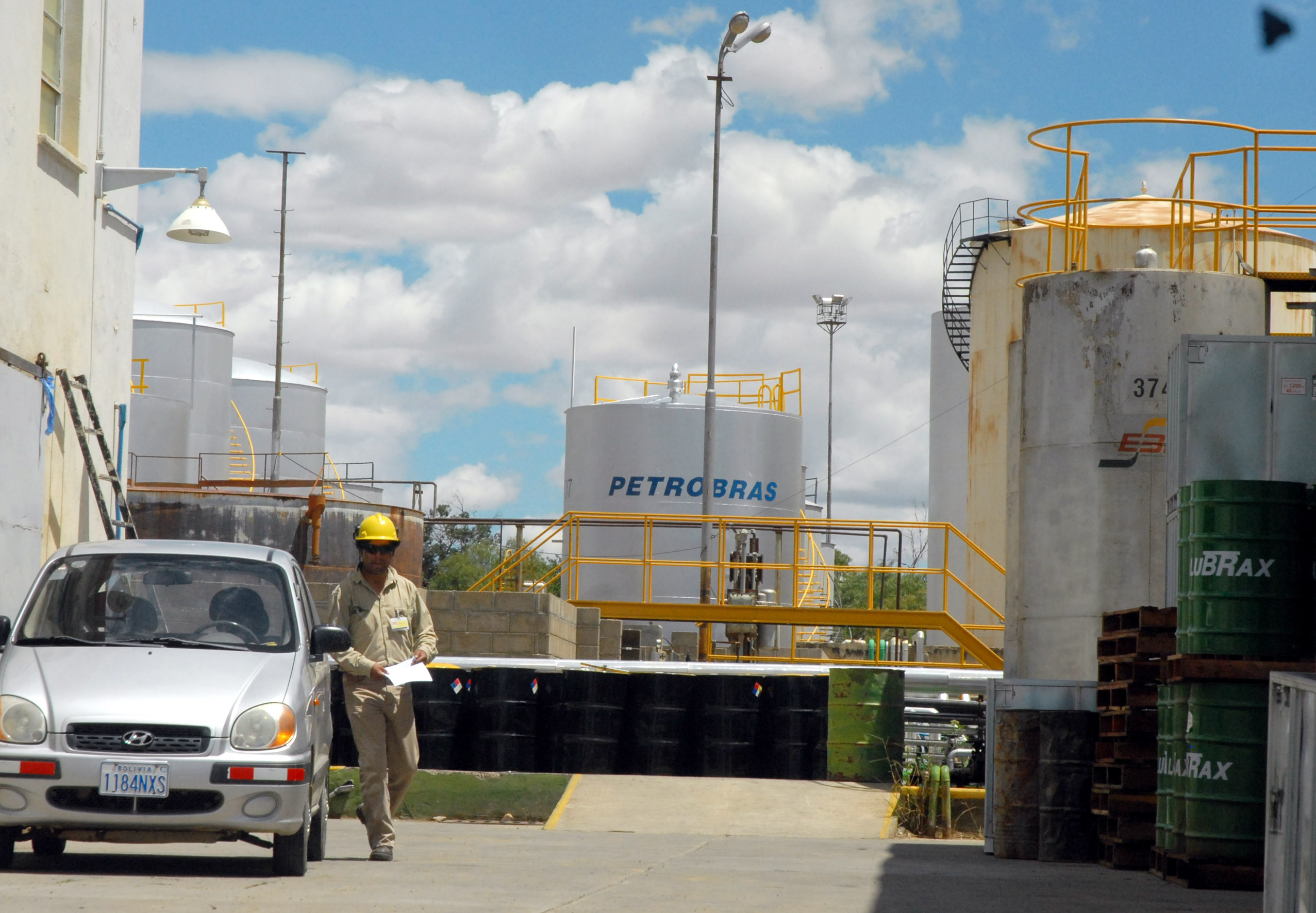
Brazil and its state oil company Petrobras achieved record oil and gas production during the first quarter of 2026 [1].
The surge in output arrives as global energy markets face significant volatility due to the war in Iran. Brazil's ability to increase supply positions the country as a critical non-Middle Eastern energy provider at a time when traditional supply routes are under threat.
Petrobras said that total production of oil, natural gas liquids, and gas reached an all-time high of 3.23 million barrels per day [2]. This production spike was driven largely by the company's offshore pre-salt fields and national refineries [3]. To meet the rising demand, Petrobras refineries operated near full capacity [4].
The increase in production has had a direct impact on the national economy. Brazil's trade surplus for the first quarter of 2026 surged to $14.2 billion [5]. This financial growth was supported by a significant rise in crude oil exports, which climbed 31 percent year-on-year to reach $12.56 billion [5].
Market analysts said that high oil prices and rising global supply risks have prompted the aggressive increase in offshore output [3]. The combination of geological advantages in the pre-salt layers and the urgent need for alternative energy sources has accelerated Brazil's role in the global market [1].
While the record production provides a buffer against Middle Eastern instability, the reliance on near-full capacity operations at refineries suggests the system is stretched to its current limits [4]. The company continues to focus on maximizing extraction from its deep-water assets to capitalize on the current pricing environment [3].
“Petrobras total production reached an all-time high of 3.23 million barrels per day.”
Brazil is leveraging its pre-salt reserves to fill a vacuum created by geopolitical instability in the Middle East. By maximizing output and refinery capacity, Brazil is not only improving its own macroeconomic standing through a record trade surplus but is also altering global energy dependencies. This shift reduces the world's absolute reliance on Iranian and regional oil, though it highlights the vulnerability of global markets to concentrated regional conflicts.