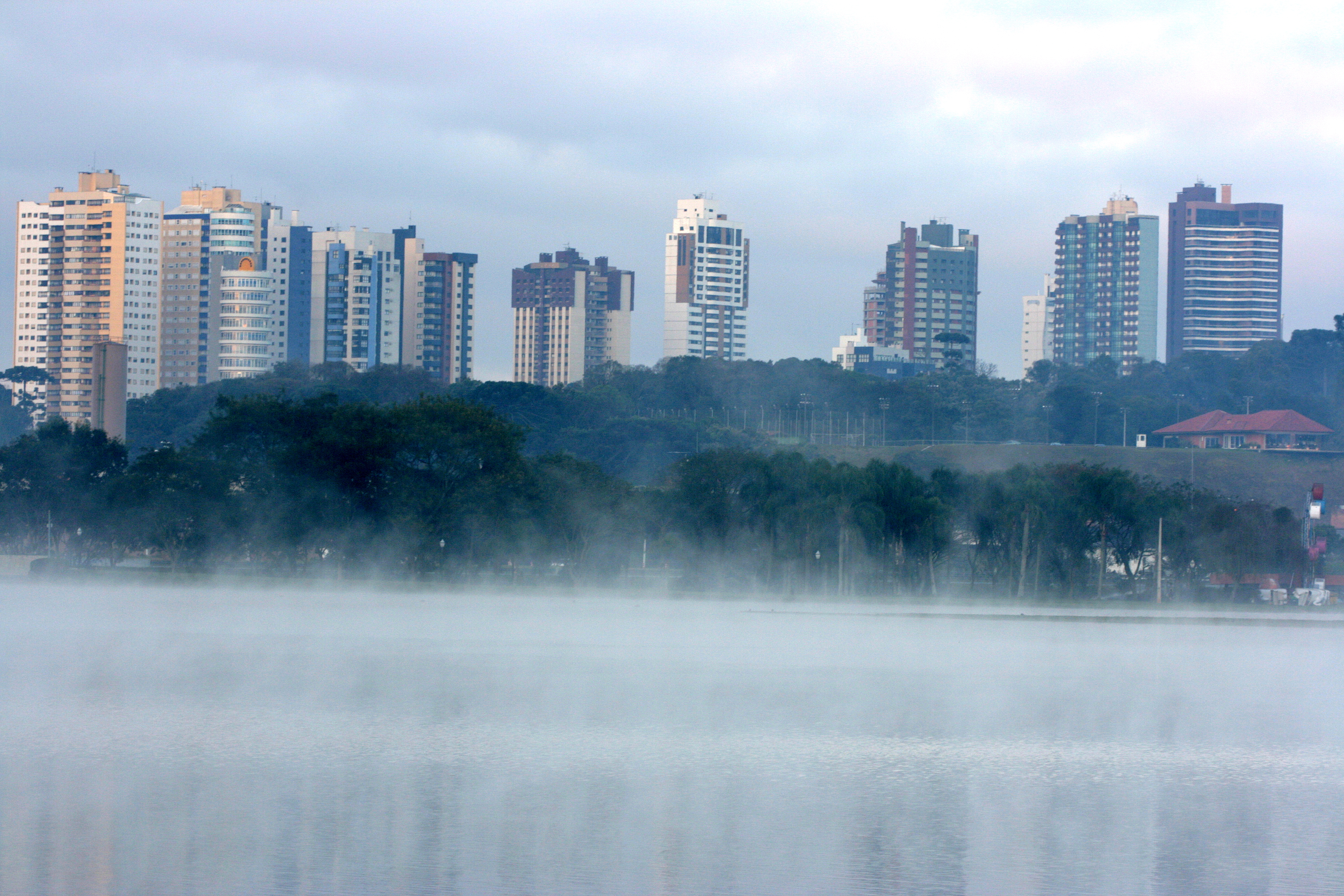
A polar air mass is driving temperatures down to around 0 °C across Brazil's South and Southeast regions [1].
This cold wave signals a sharp transition into the winter season, potentially impacting agriculture and public health in the affected states. The sudden drop in temperature creates hazardous conditions for vulnerable populations and infrastructure not equipped for freezing levels.
The weather system is affecting the southern states of Rio Grande do Sul, Santa Catarina, and Paraná, as well as parts of the Southeast, including São Paulo, Minas Gerais, and Rio de Janeiro [1, 3]. Meteorological agencies, including INMET and CGE, said that an advancing polar air mass is the primary cause of the temperature plunge [2, 4, 5].
While winter officially begins on Sunday, July 21, 2026 [1], the region has already experienced volatile shifts. Some reports indicate a period of five days of intense cold with temperatures near 0 °C [3]. Other data points to an earlier cold wave that occurred between May 8 and May 13, 2026 [3, 5].
There are conflicting reports regarding the exact reach and timing of the most severe freezes. Some sources place the 0 °C forecast specifically in July as winter begins [1], while others note that temperatures near 0 °C were already recorded during the first cold wave of the year in May [2]. Additionally, while some agencies highlight the impact on the Southeast, others focus on the Centro-Sul region, which encompasses the South and parts of the Midwest [2].
Despite these variations, the general trend shows a significant southward push of cold air. Residents in the South and Southeast are advised to prepare for temperatures that may hover at or below the freezing point [1].
“A polar air mass is driving temperatures down to around 0 °C across Brazil's South and Southeast regions.”
The arrival of a polar air mass before the official start of winter suggests a volatile atmospheric pattern for 2026. The discrepancy in reporting between May and July cold waves indicates either a prolonged period of instability or multiple distinct weather events. For Brazil, temperatures hitting 0 °C in the Southeast is a significant event that can disrupt urban services and crop yields in regions not typically accustomed to sustained freezing temperatures.


