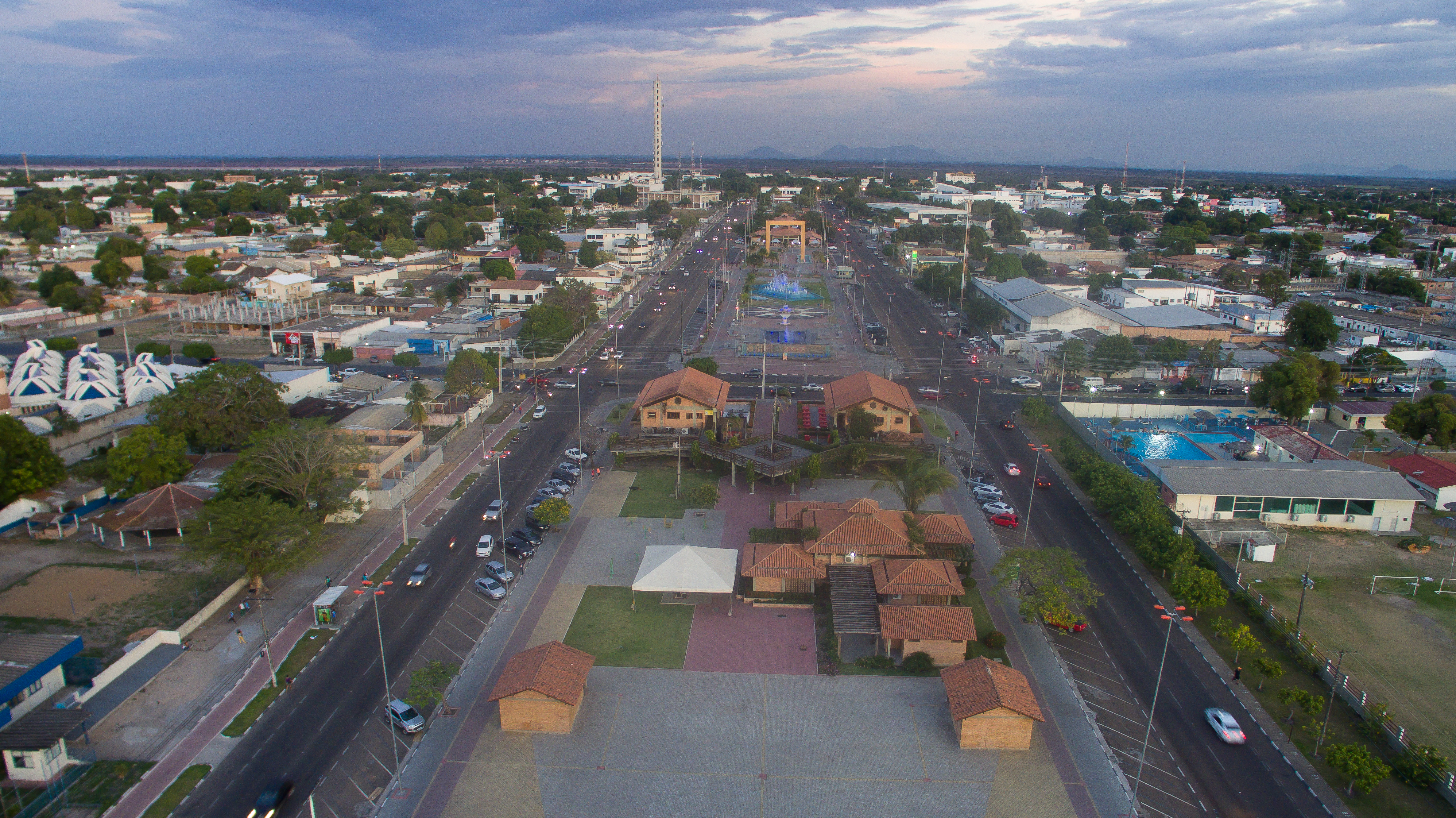
Voters in the state of Roraima and five other Brazilian municipalities head to the polls this Sunday [1].
These supplementary elections are critical for restoring local governance and filling vacancies that have left specific regions without elected representation. The process ensures that the democratic mandate is maintained when previous results are annulled or positions remain vacant.
The voting takes place on June 21, 2024 [1]. These specific contests were convened by the Electoral Justice system to address legal or administrative gaps in the representation of the affected areas [1]. While the state of Roraima is a primary focus, the electoral process extends to five additional municipalities across the country [1].
Supplementary elections in Brazil typically occur when candidates are disqualified by the courts or when a significant number of votes are invalidated. This mechanism allows the judiciary to mandate a new vote to ensure the legitimacy of the officeholders. The logistics for these Sunday polls involve coordinated efforts between local authorities and the national electoral body.
Because these elections are localized, they often serve as a bellwether for regional political sentiment. The turnout in Roraima and the five municipalities will indicate the current stability of local political coalitions, a factor that often influences broader national trends.
Officials from the Electoral Justice system said they managed the scheduling and organization of the vote [1]. The process follows standard Brazilian electronic voting protocols to ensure transparency and speed in the counting of the results.
“Voters in the state of Roraima and five other Brazilian municipalities head to the polls this Sunday.”
Supplementary elections highlight the role of the Brazilian judiciary in maintaining electoral integrity. By mandating new votes when legal irregularities occur, the Electoral Justice system prevents prolonged power vacuums in municipal and state governance, though such frequent interventions can reflect ongoing volatility within local political party structures.


'%2F%3E%0A%20%20%20%20%3Crect%20width%3D'1600'%20height%3D'900'%20fill%3D'url(%23v)'%2F%3E%0A%20%20%20%20%3Cg%20opacity%3D'0.08'%20fill%3D'%23ffffff'%3E%0A%20%20%20%20%20%20%3Ccircle%20cx%3D'1420'%20cy%3D'180'%20r%3D'220'%2F%3E%0A%20%20%20%20%20%20%3Ccircle%20cx%3D'1500'%20cy%3D'760'%20r%3D'120'%2F%3E%0A%20%20%20%20%3C%2Fg%3E%0A%20%20%20%20%3Cline%20x1%3D'80'%20y1%3D'172'%20x2%3D'220'%20y2%3D'172'%20stroke%3D'%23ffffff'%20stroke-width%3D'3'%20stroke-opacity%3D'0.6'%2F%3E%0A%20%20%20%20%3Ctext%20x%3D'80'%20y%3D'140'%20font-family%3D'Inter%2C%20-apple-system%2C%20Helvetica%2C%20sans-serif'%20font-weight%3D'700'%20font-size%3D'28'%20fill%3D'%23ffffff'%20letter-spacing%3D'6'%3EHANNA%20%C2%B7%20NEWS%3C%2Ftext%3E%0A%20%20%20%20%3Ctext%20x%3D'80'%20y%3D'230'%20font-family%3D'Inter%2C%20-apple-system%2C%20Helvetica%2C%20sans-serif'%20font-weight%3D'600'%20font-size%3D'40'%20fill%3D'%23ffffffb3'%20letter-spacing%3D'4'%3EWORLD%3C%2Ftext%3E%0A%20%20%20%20%3Ctext%20x%3D'80'%20y%3D'694'%20font-family%3D'Playfair%20Display%2C%20Georgia%2C%20serif'%20font-weight%3D'800'%20font-size%3D'110'%20fill%3D'%23ffffff'%20letter-spacing%3D'-1'%3EColombia%20Votes%20in%3C%2Ftext%3E%3Ctext%20x%3D'80'%20y%3D'820'%20font-family%3D'Playfair%20Display%2C%20Georgia%2C%20serif'%20font-weight%3D'800'%20font-size%3D'110'%20fill%3D'%23ffffff'%20letter-spacing%3D'-1'%3EPresidential%20Runoff%20Election%3C%2Ftext%3E%0A%20%20%20%20%3Ctext%20x%3D'80'%20y%3D'870'%20font-family%3D'Inter%2C%20-apple-system%2C%20Helvetica%2C%20sans-serif'%20font-weight%3D'500'%20font-size%3D'22'%20fill%3D'%23ffffff66'%20letter-spacing%3D'2'%3Enews.hanna-ai.com%3C%2Ftext%3E%0A%20%20%3C%2Fsvg%3E)