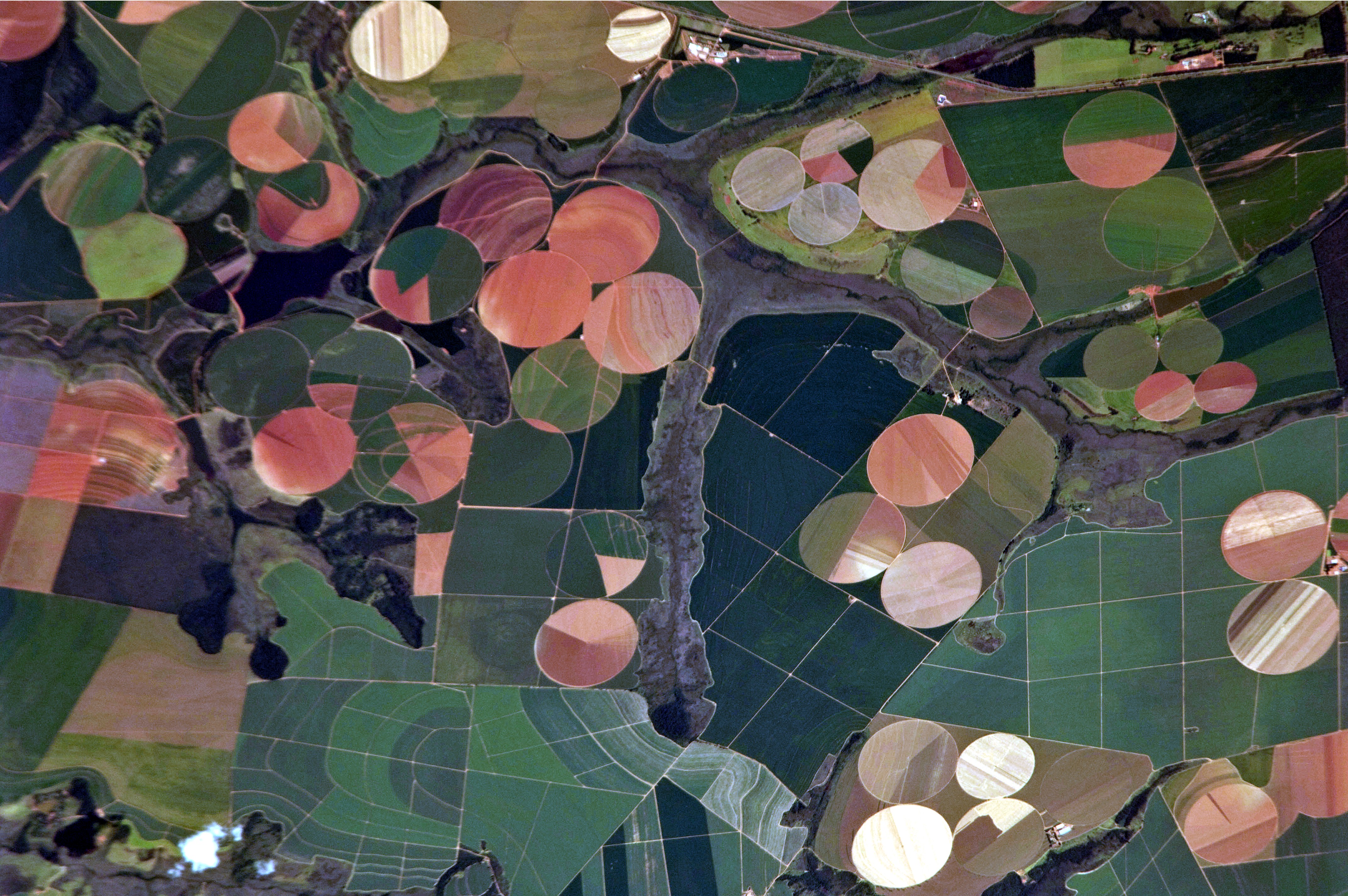
Soybean prices are climbing as war-related market disruptions boost Brazil's agribusiness sector [1, 2].
This trend is significant because the agricultural sector is currently acting as a primary driver for Brazil's national GDP growth [1]. As global markets shift due to geopolitical instability, Brazil is moving closer to securing a leading position in global soybean production [2].
Pablo Spyer, known as "o Tourinho" and host of the Minuto Agro de Ouro program, said the sector's performance is rising [1, 2]. The rise in prices is linked to the effects of war, specifically mentioning impacts related to Iran [2]. These conflicts have created market volatility that has benefited Brazilian exporters while complicating the broader agribusiness landscape.
While soybeans are seeing gains, other areas of the agricultural market face challenges. Recent reports indicate that Brazil has lost ground in the corn market [3]. Additionally, the European Union is maintaining strict requirements for imports, which continues to pressure Brazilian producers attempting to access European markets [3].
The interplay between rising commodity prices and international trade barriers creates a complex environment for the country. While the soybean surge helps the overall economy, the "tarifaço," or heavy tariff environment, and EU regulations present ongoing hurdles for diversification [3].
Brazil's agricultural strength remains a cornerstone of its economic strategy. The current surge in soybean value underscores the country's role as a critical supplier of food and raw materials during periods of global instability [1, 2].
“Soybean prices are climbing as war-related market disruptions boost Brazil's agribusiness sector.”
The surge in Brazilian soybean prices reflects a broader trend where geopolitical instability in the Middle East reshapes global trade flows. While Brazil benefits from higher prices and increased GDP contributions from agribusiness, the simultaneous struggle in the corn market and friction with the European Union suggests that Brazil's agricultural dominance is unevenly distributed across different crops and markets.


