
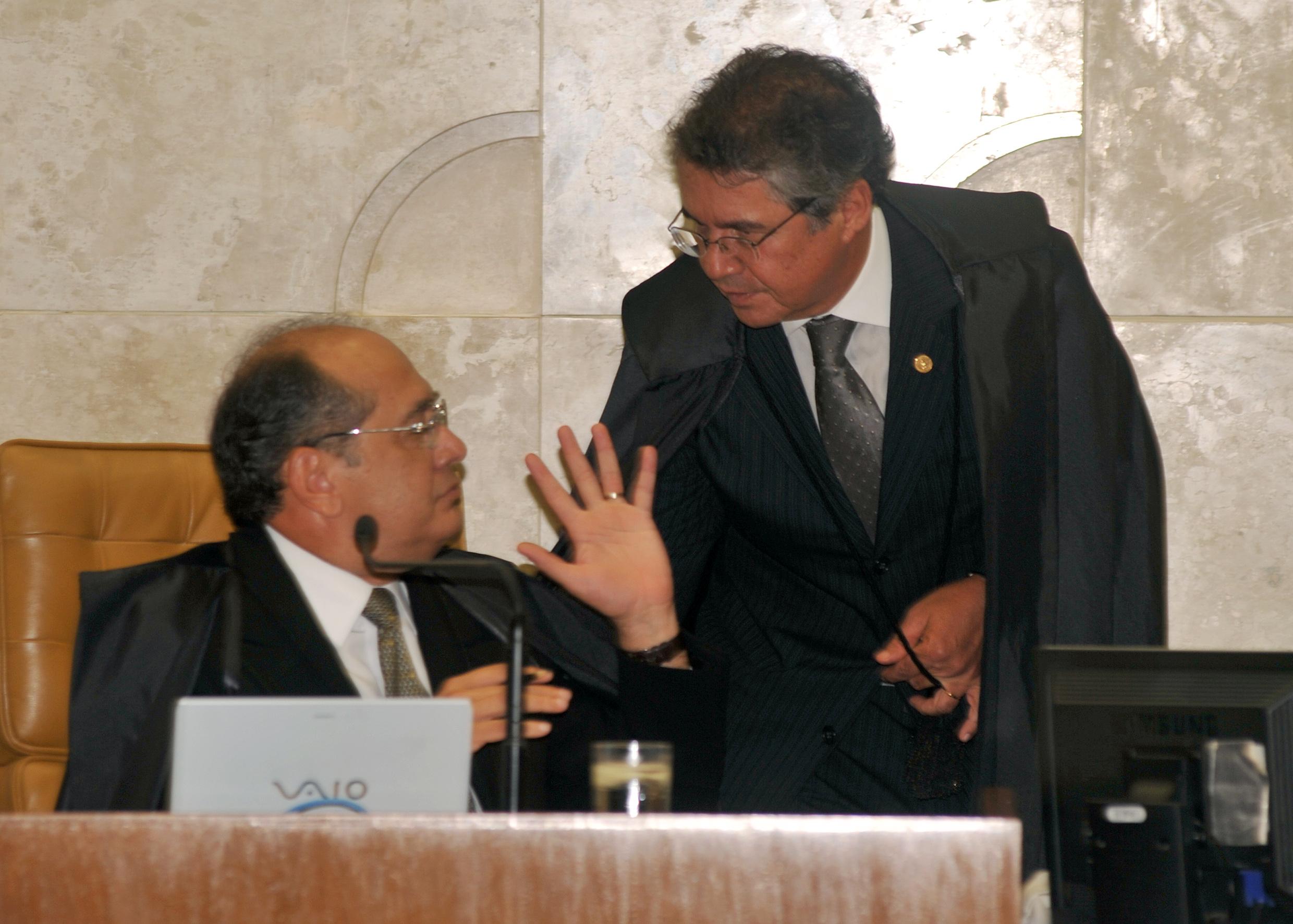
Gilmar Mendes, a minister of Brazil’s Supreme Federal Court (STF), voted to maintain the civic-military school program in São Paulo [1].
The decision balances the legality of the state-run program with constitutional safeguards against the militarization of public education. By imposing restrictions, the court seeks to prevent schools from becoming centers for military indoctrination while allowing the administrative structure to remain.
Justice Mendes cast his vote in the virtual plenary on May 22, 2026 [1]. The court's final decision on the matter was scheduled for Thursday, May 23, 2026 [1].
Under the conditions set by Mendes, the program may continue but must adhere to strict guidelines. The minister barred the use of military symbols within the schools [1]. He also prohibited the extracurricular exaltação, or exaltation, of the armed forces [1].
Furthermore, the ruling requires that pedagogical management remain strictly in the hands of civilians [1]. This ensures that while the civic-military model provides a specific organizational framework, the actual teaching and educational leadership are not controlled by military personnel [2].
Mendes said the goal is to uphold the constitutionality of the program while preventing overt militarization [1]. The move allows the São Paulo government to keep the schools operational, a key priority for the state administration, but strips away the aesthetic and ideological markers of military life [2].
The virtual plenary process allows ministers to cast their votes electronically over a set period before a final judgment is rendered [1]. This specific vote represents a middle ground between those who wish to abolish the program entirely and those who support its unrestricted implementation [2].
“The minister barred the use of military symbols within the schools.”
This ruling establishes a legal precedent that separates administrative discipline from ideological military training in Brazilian schools. By decoupling the 'civic-military' label from actual military symbols and pedagogical control, the STF is limiting the influence of the armed forces on youth education while avoiding a direct confrontation with state-level educational policies.


