Brazil's Supremo Tribunal Federal (STF) decided on June 24, 2026 [1], to expand the scope of losing public office in cases of administrative improbity.
This ruling increases the legal risks for public servants and politicians by preventing them from avoiding punishment through simple changes in their professional positions. The decision strengthens the effectiveness of the Administrative Improbity Law by ensuring that those convicted face more stringent consequences.
The court ruled that the penalty of losing a public function can now reach other ties an agent maintains with the public power [1], [2]. This change aims to stop convicted officials from escaping the loss of their position by shifting to a different role within the government [1], [2].
Under the new guidelines, the STF requires a more rigid justification for any official to remain in their post after a conviction [3]. The court also blocked the practice of discounting the period of suspension of political rights from the overall penalty [1].
Furthermore, the ruling authorizes the blocking of assets to ensure the recovery of public funds [1]. This represents a partial defeat for Congress, as the court moved forward with a more rigorous revision of the improbity laws [1].
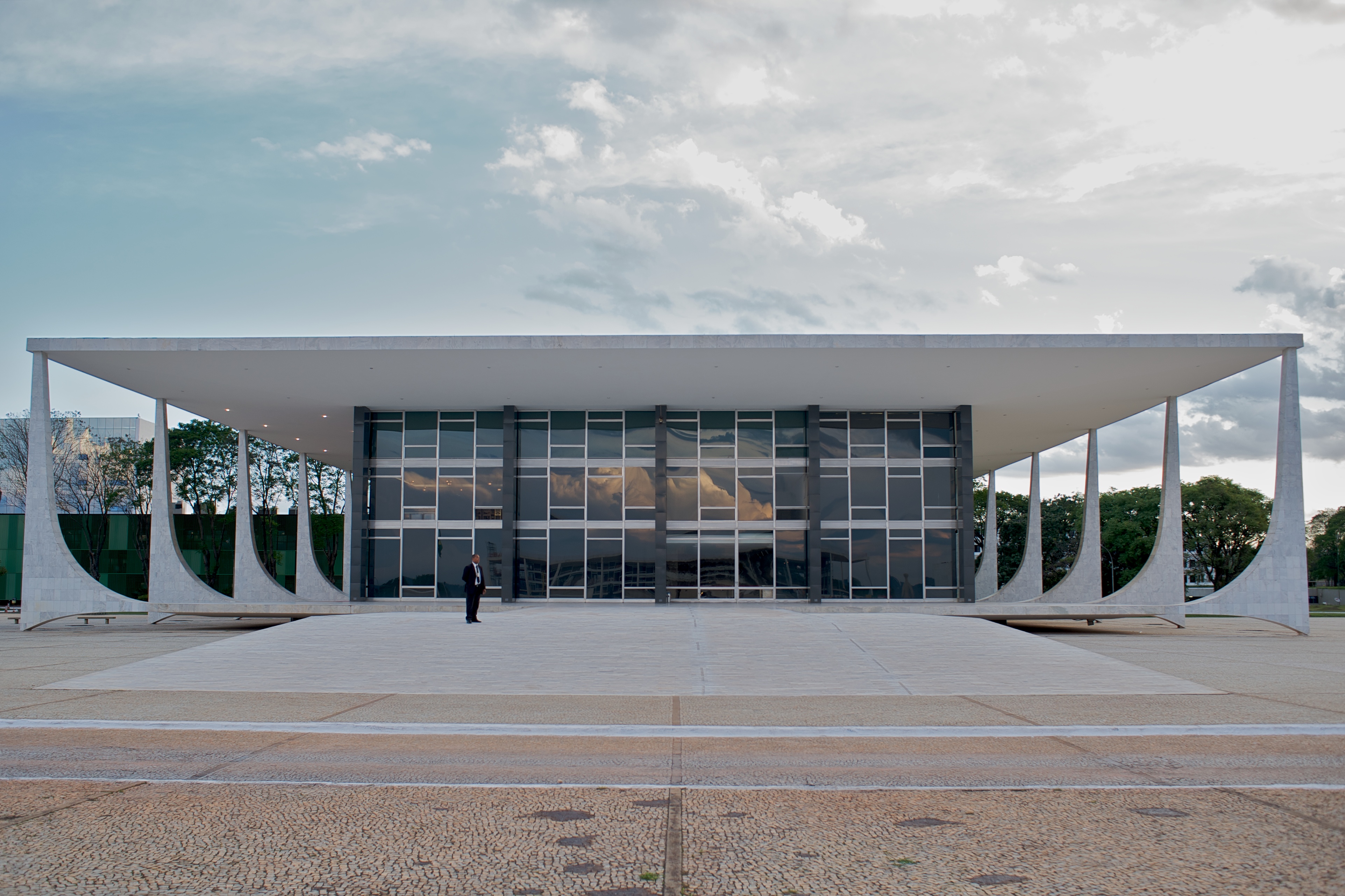
The decision was reached during a session at the STF plenary in Brasília [1], [2]. The court said it focused on reinforcing accountability for public agents to prevent the misuse of state resources.
“The STF decided to expand the scope of losing public office in cases of administrative improbity.”
This judicial shift signals a move toward zero tolerance for administrative corruption in Brazil. By decoupling the penalty from a specific job title and applying it to the individual's entire relationship with the state, the STF is closing a common loophole used by political appointees to maintain their salaries and influence despite legal convictions.

