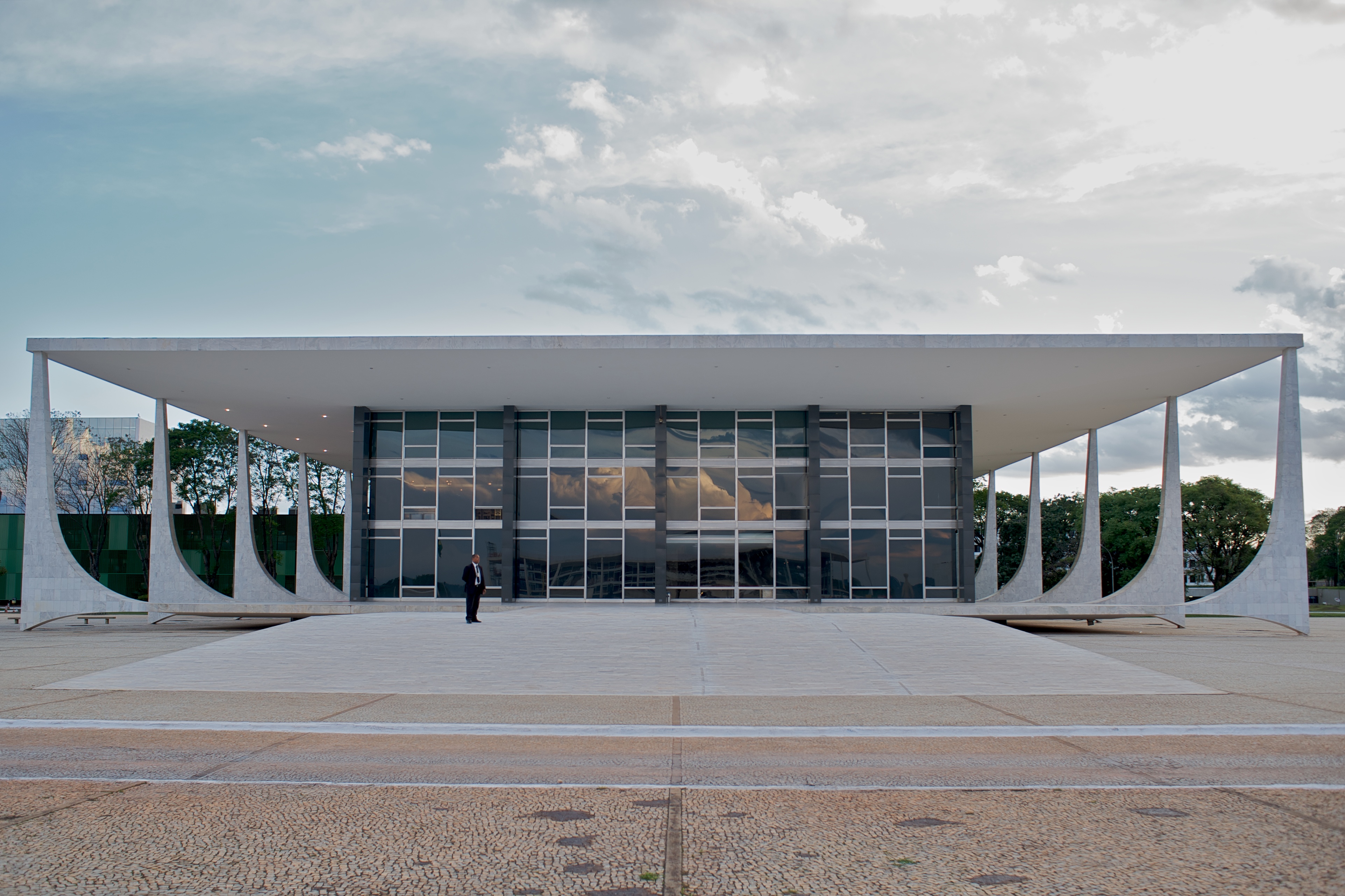
Brazil's Supreme Federal Court (STF) has reiterated the prohibition of the creation and payment of extrajudicial allowances known as “penduricalhos” [1].
This move targets a growing crisis of irregular payments that allow magistrates to bypass the legal salary ceiling for public servants. By restricting these allowances, the court aims to enforce fiscal discipline and transparency within the judicial branch.
Ministers Flávio Dino, Gilmar Mendes, Alexandre de Moraes, and Cristiano Zanin said the ban was reiterated on May 6 [1]. The decision follows a pattern of judicial allowances being used to inflate take-home pay beyond constitutional limits.
In response to the crackdown, judges' entities requested that the STF update the public-servant salary ceiling and flexibilize the lock on these allowances on May 18 [3]. These groups said that the current ceiling is outdated and requires adjustment to reflect economic realities.
To further control these payments, President Luiz Edson Fachin proposed the implementation of a unified paycheck for magistrates. The National Council of Justice (CNJ) scheduled a vote on this proposal for May 26 [2]. A single paycheck would make it easier for regulators to track all forms of compensation and identify illegal bonuses.
Despite these efforts, the transition has faced resistance. Judges' associations submitted a formal request for more time to apply the new payment rules on May 27 [4]. The associations said they seek a longer implementation window to adjust their payroll systems to the new regulations.
The conflict persists between the STF ministers, who maintain an absolute prohibition on the allowances, and the judges' associations, who seek flexibility and updated pay scales [1, 3].
“The Supreme Federal Court has reiterated the prohibition of the creation and payment of extrajudicial allowances.”
The crackdown on 'penduricalhos' represents a significant effort to align the Brazilian judiciary with constitutional spending limits. By attempting to unify paychecks and ban discretionary bonuses, the STF is moving toward a more centralized and transparent payroll system, though the pushback from judges' associations suggests a prolonged struggle over the actual definition and value of the public-servant salary ceiling.


