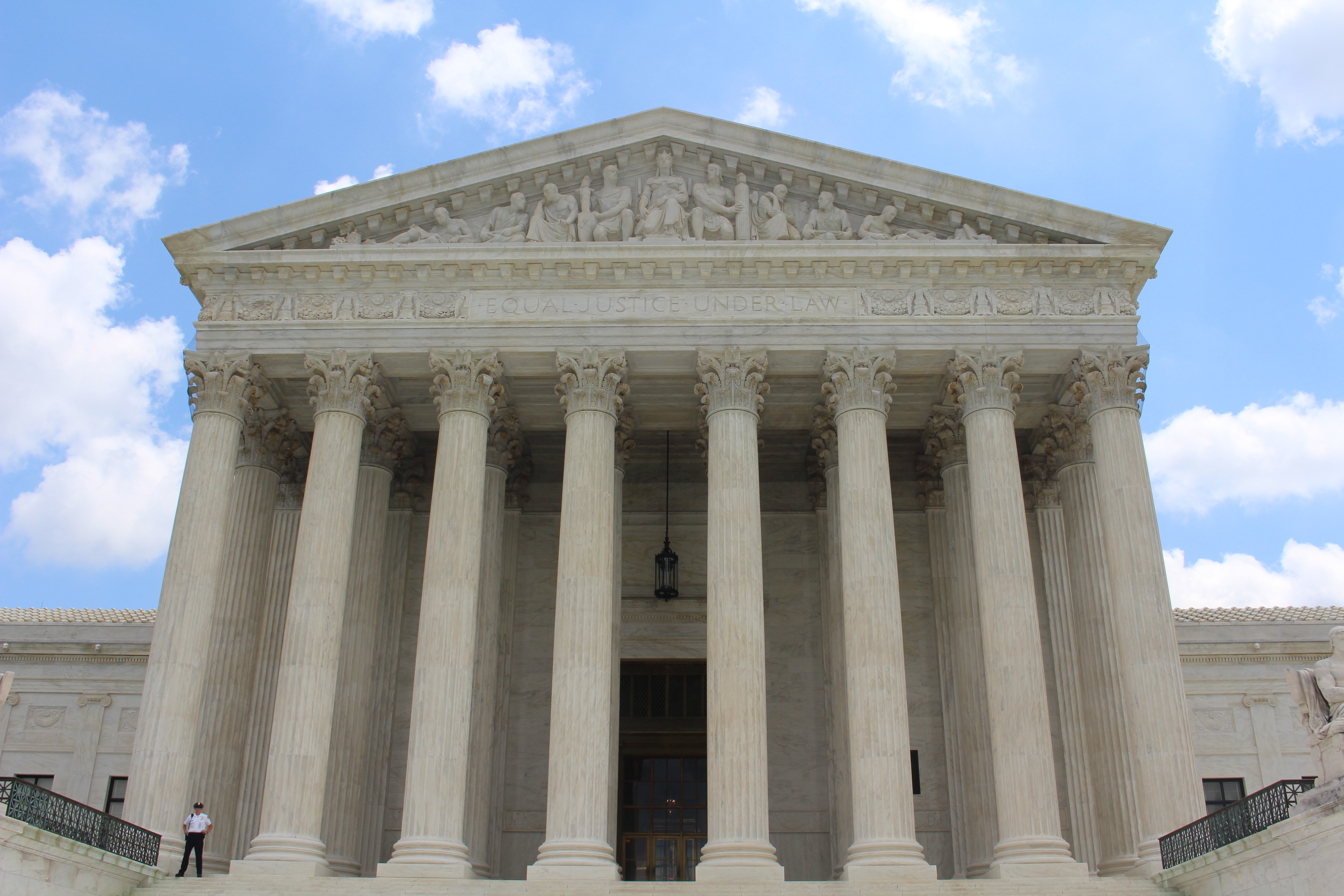
Four ministers of Brazil's Supreme Federal Court (STF) issued joint decisions to criminalize the creation of new judicial perks known as "penduricalhos" [1].
This move aims to protect the independence of the judiciary by preventing the use of financial incentives or political pressure tools to influence judges and members of the Public Ministry. The action follows a reaction against a vote by Justice Luiz Fux to acquit former President Jair Bolsonaro [2].
Ministers Alexandre de Moraes, Cristiano Zanin, Flávio Dino, and Gilmar Mendes acted together during an STF session held Wednesday, Sept. 25 [3]. The group of four ministers [3] proposed that these additional payments and benefits be limited to 35% of the legal salary ceiling [1].
These "penduricalhos" are often viewed as mechanisms that can be used to exert political pressure on the legal system. By criminalizing the creation of new versions of these tools, the ministers seek to close loopholes that allow for the proliferation of irregular benefits [2].
The joint decision marks a coordinated effort among the high court members to tighten fiscal and ethical controls within the judicial branch. The proposal specifically targets the systemic creation of benefits that exceed established legal limits [1].
The ministers' decision reflects an internal push to standardize compensation and remove incentives that could compromise the impartiality of the courts in high-profile political cases [2].
“Four ministers of Brazil's Supreme Federal Court (STF) issued joint decisions to criminalize the creation of new judicial perks.”
This initiative represents a strategic effort by the Brazilian judiciary to insulate itself from political influence. By capping additional benefits and criminalizing new 'penduricalhos,' the STF is attempting to reduce the leverage political actors have over judges, particularly in a polarized environment where rulings on former leadership can trigger institutional instability.