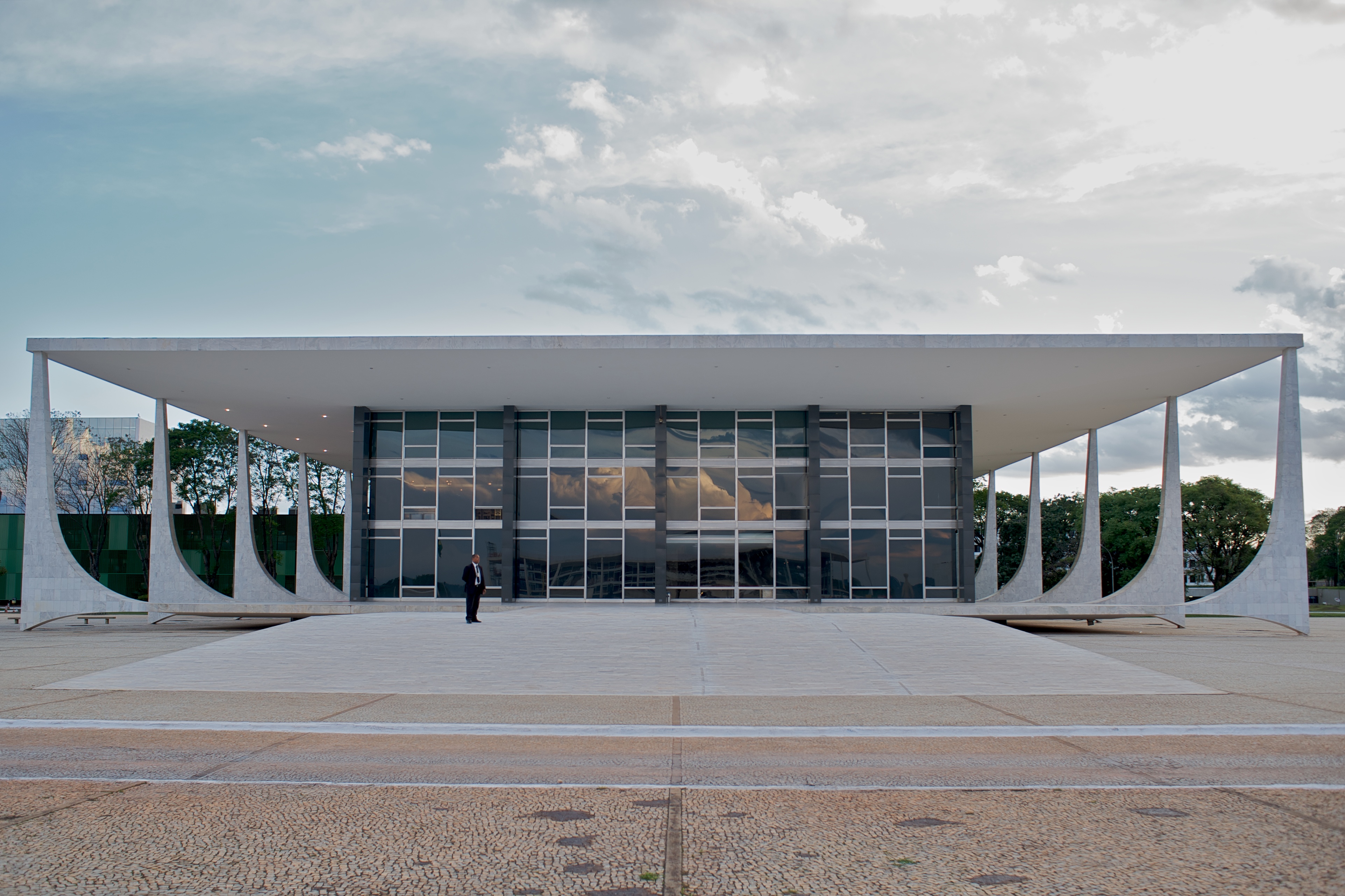
Brazil's Supreme Federal Court definitively ended the judicial process regarding the ‘revisão da vida toda’ on Thursday, July 9 [1].
The ruling prevents National Institute of Social Security (INSS) retirees from recalculating their benefits using contributions made before July 1994 [1]. This decision closes a legal loophole that thousands of pensioners hoped would increase their monthly income by accounting for their entire professional history.
The court in Brasília reached the decision with a vote of seven in favor and three against [2]. By upholding the previous ruling, the justices rejected the final appeals from workers' entities that sought a more favorable calculation method for retirees [3].
This legal battle spanned 26 years [4]. The core of the dispute centered on whether the INSS must consider all contributions made throughout a worker's life, or only those made after the 1994 currency transition [1]. The court confirmed that the current rules remain in place and that contributions prior to July 1994 cannot be included in the benefit calculations [3].
With the process reaching "transito em julgado" on July 9 [1], the decision is now final. This legal status means that no further appeals are possible within the Brazilian judicial system [1]. The ruling provides a definitive conclusion to a period of significant legal uncertainty for both the federal government and millions of retirees [3].
The STF's decision ensures that the INSS will not be required to pay out the massive sums of money that would have resulted from a successful recalculation for millions of citizens [2].
“The STF definitively ended the judicial process on the ‘revisão da vida toda’.”
This ruling provides the Brazilian government with long-term fiscal predictability by eliminating the risk of massive retroactive payments to retirees. By closing a 26-year legal debate, the court has prioritized the stability of the social security fund over the individual claims of pensioners seeking higher benefits based on pre-1994 contributions.


