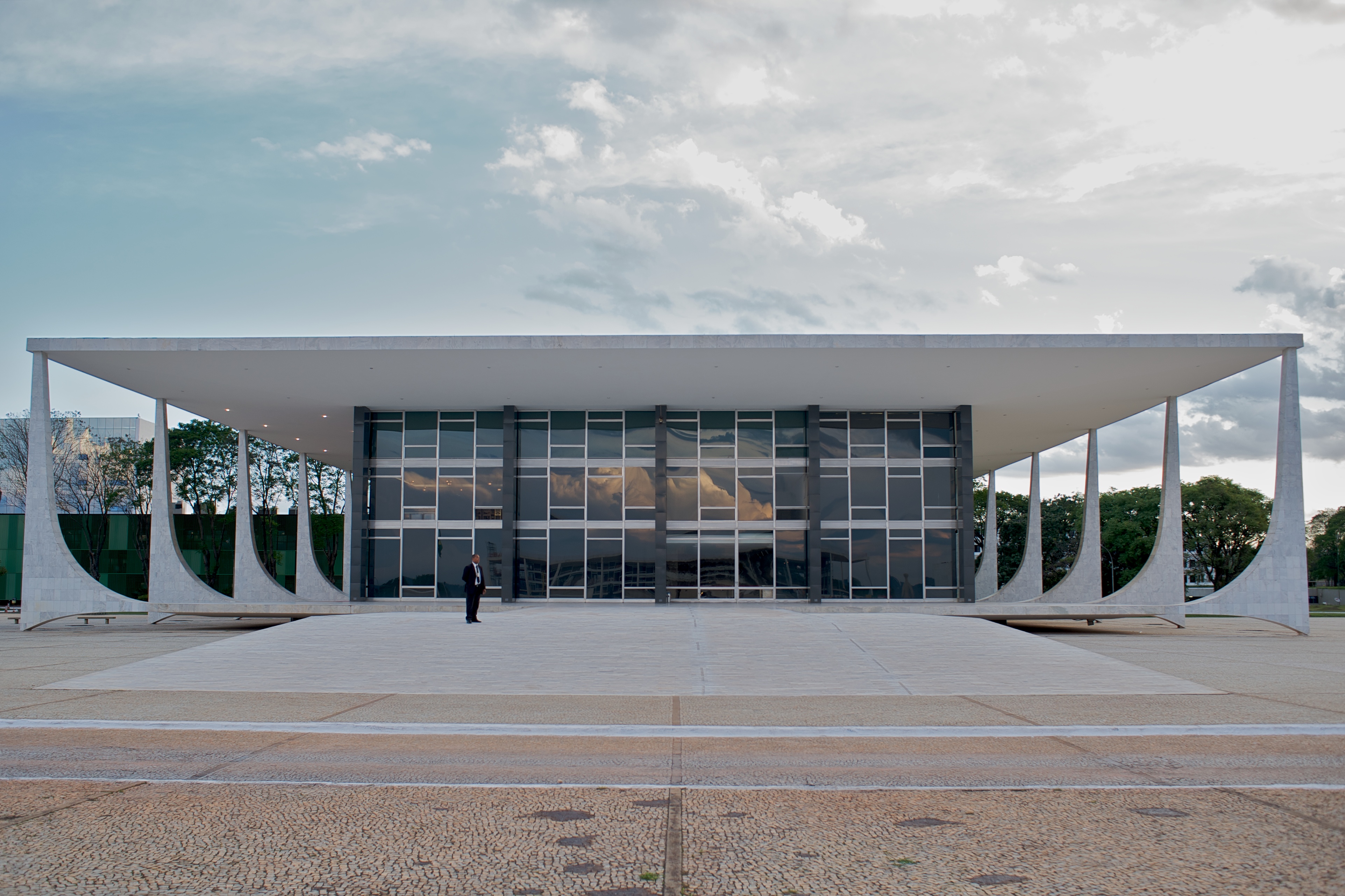
Brazil's Supreme Federal Court (STF) voted to allow retroactive payments of certain benefits to judges, prosecutors, and members of the Public Ministry.
This decision relaxes previous restrictions on indemnity payments, potentially increasing the financial burden on the state to cover benefits accrued during vacations, premium leaves, and judicial duties.
The ruling took place during a virtual session on Saturday, June 27, 2026. Initial reports indicated five votes [1] in favor of the payments and zero votes against [1]. Following the participation of Minister Luiz Fux, the count of votes in favor reached six [2].
Among the ministers who voted to release the payments are Alexandre de Moraes, Gilmar Mendes, Cristiano Zanin, Edson Fachin, and Flávio Dino [3]. The benefits, colloquially known as "penduricalhos," refer to additional allowances and indemnities that supplement the base salary of judicial and prosecutorial officials.
The court's decision focuses on enabling the retroactive payment of these benefits, which had previously been limited by stricter regulations. The virtual judgment concluded on Monday, June 30, 2026 [4].
By allowing these payments, the STF ensures that officials can claim funds for duties performed during specific leave periods—a move that restores a financial privilege previously curtailed. The court's move addresses the legal standing of these indemnities and their eligibility for retroactive disbursement [5].
“Brazil's Supreme Federal Court voted to allow retroactive payments of certain benefits to judges”
The decision to allow retroactive 'penduricalhos' payments highlights a continuing tension in Brazil between the judicial branch's internal compensation standards and public expectations of fiscal restraint. By expanding the eligibility for these retroactive indemnities, the STF reinforces the financial privileges of the judiciary and the Public Ministry, which may trigger criticism regarding the equitable distribution of public funds.
'%2F%3E%0A%20%20%20%20%3Crect%20width%3D'1600'%20height%3D'900'%20fill%3D'url(%23v)'%2F%3E%0A%20%20%20%20%3Cg%20opacity%3D'0.08'%20fill%3D'%23ffffff'%3E%0A%20%20%20%20%20%20%3Ccircle%20cx%3D'1420'%20cy%3D'180'%20r%3D'220'%2F%3E%0A%20%20%20%20%20%20%3Ccircle%20cx%3D'1500'%20cy%3D'760'%20r%3D'120'%2F%3E%0A%20%20%20%20%3C%2Fg%3E%0A%20%20%20%20%3Cline%20x1%3D'80'%20y1%3D'172'%20x2%3D'220'%20y2%3D'172'%20stroke%3D'%23ffffff'%20stroke-width%3D'3'%20stroke-opacity%3D'0.6'%2F%3E%0A%20%20%20%20%3Ctext%20x%3D'80'%20y%3D'140'%20font-family%3D'Inter%2C%20-apple-system%2C%20Helvetica%2C%20sans-serif'%20font-weight%3D'700'%20font-size%3D'28'%20fill%3D'%23ffffff'%20letter-spacing%3D'6'%3EHANNA%20%C2%B7%20NEWS%3C%2Ftext%3E%0A%20%20%20%20%3Ctext%20x%3D'80'%20y%3D'230'%20font-family%3D'Inter%2C%20-apple-system%2C%20Helvetica%2C%20sans-serif'%20font-weight%3D'600'%20font-size%3D'40'%20fill%3D'%23ffffffb3'%20letter-spacing%3D'4'%3EWORLD%3C%2Ftext%3E%0A%20%20%20%20%3Ctext%20x%3D'80'%20y%3D'694'%20font-family%3D'Playfair%20Display%2C%20Georgia%2C%20serif'%20font-weight%3D'800'%20font-size%3D'110'%20fill%3D'%23ffffff'%20letter-spacing%3D'-1'%3EActors%20Discuss%20Character%3C%2Ftext%3E%3Ctext%20x%3D'80'%20y%3D'820'%20font-family%3D'Playfair%20Display%2C%20Georgia%2C%20serif'%20font-weight%3D'800'%20font-size%3D'110'%20fill%3D'%23ffffff'%20letter-spacing%3D'-1'%3ESurvival%20as%20War%20Approaches%3C%2Ftext%3E%0A%20%20%20%20%3Ctext%20x%3D'80'%20y%3D'870'%20font-family%3D'Inter%2C%20-apple-system%2C%20Helvetica%2C%20sans-serif'%20font-weight%3D'500'%20font-size%3D'22'%20fill%3D'%23ffffff66'%20letter-spacing%3D'2'%3Enews.hanna-ai.com%3C%2Ftext%3E%0A%20%20%3C%2Fsvg%3E)

