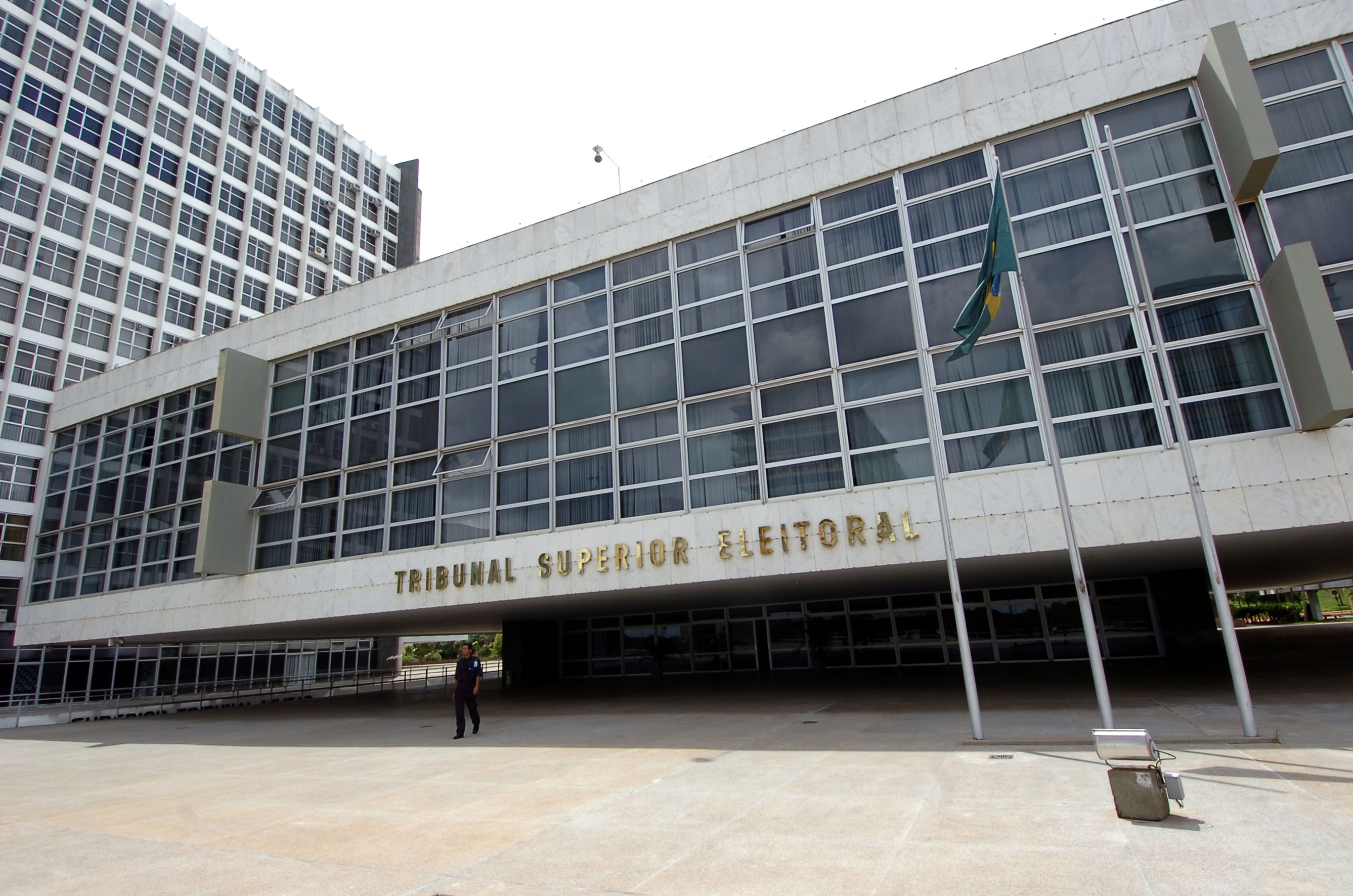
Brazil's Tribunal Superior Eleitoral (TSE) has established new regulations for artificial intelligence and campaign conduct ahead of the 2026 elections.
These measures aim to ensure a fair electoral process by preventing the misuse of AI-generated content and limiting the ability of pre-candidates to use government resources for political gain. With less than five months remaining until the elections [3], the tribunal is focusing on the intersection of emerging technology and traditional campaign ethics.
One specific regulation bars pre-candidates from attending the inauguration of public works. This rule took effect on Saturday, May 4, 2026 [1]. The restriction is designed to stop political hopefuls from gaining undue exposure through the announcement of government projects, a practice often described as using the "state machine" for campaigning.
President Luiz Inácio Lula da Silva mocked the restriction on public-works inaugurations, he said. The debate over such rules continues as officials weigh the balance between administrative duties and electoral fairness.
Beyond physical events, the TSE is addressing the digital landscape. On May 18, 2026, the tribunal approved regulations governing the use of artificial intelligence in the 2026 elections [2]. These rules are intended to curb the spread of disinformation and deepfakes that could mislead voters.
Commentators and legal experts, including Minister Kassio Nunes Marques and José Eduardo Cardozo, have debated whether the TSE should further tighten these AI regulations. The discussion centers on whether current rules are sufficient to protect the integrity of the vote or if more aggressive enforcement is required to prevent digital manipulation.
“Less than five months remain until the 2026 elections.”
The TSE's dual focus on AI and the 'state machine' reflects a broader effort to modernize electoral law in Brazil. By targeting both digital disinformation and the traditional use of government infrastructure for campaigning, the tribunal is attempting to mitigate advantages held by incumbents and well-funded candidates in an increasingly volatile information environment.


