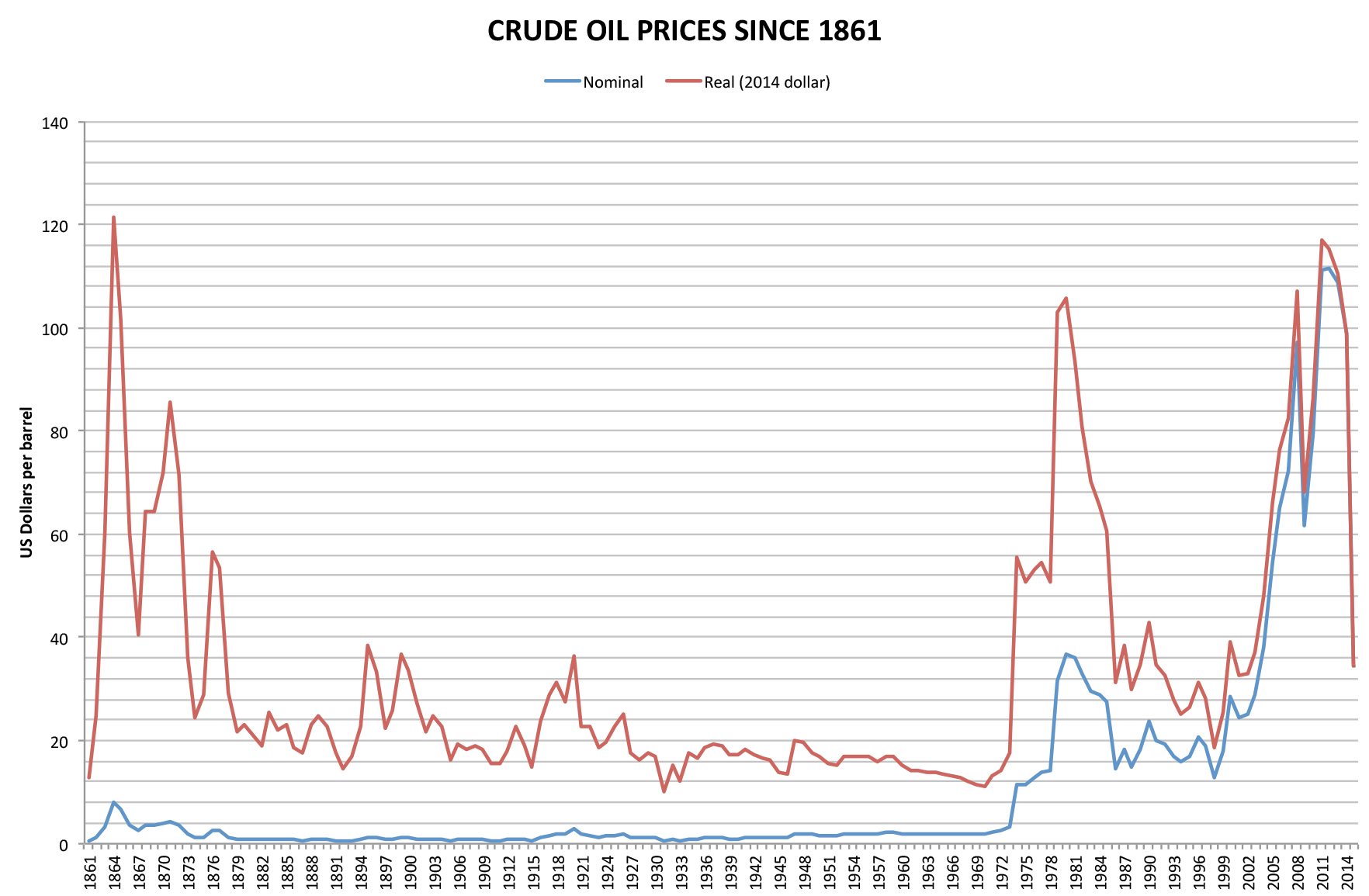
Brent crude oil prices rose above US$110 a barrel on Monday as uncertainty over the Iran war pressured global markets [1].
The simultaneous surge in energy costs and a decline in equity markets signal growing investor anxiety regarding geopolitical stability and global economic growth.
The ASX 200 fell 1.45% in its first session of the week [1]. This downturn followed a sharp drop in U.S. Wall Street indexes, which pressured Australian shares lower [1, 2]. The volatility in the equity market coincided with a slight dip in currency value, as the Australian dollar became 0.2% weaker [2].
Energy markets reacted to the ongoing conflict. Brent crude oil climbed past the US$110 mark per barrel [1]. Market analysts said this rise is due to the instability surrounding the Iran war, which has created concerns over supply chain disruptions and energy security [1, 2].
While the energy sector saw price increases, the broader Australian market struggled to maintain gains from previous sessions. The correlation between the U.S. market decline and the ASX performance highlights the continued interdependence of regional and global financial hubs, particularly during periods of heightened geopolitical tension.
The Australian dollar's 0.2% decrease [2] reflects a broader trend of cautious trading. Investors often move toward safe-haven assets when equity markets slide and oil prices spike, leaving commodity-linked currencies like the Australian dollar vulnerable to short-term fluctuations.
“Brent crude oil rose above US$110 a barrel”
The convergence of rising oil prices and falling stock indices suggests a 'risk-off' sentiment among investors. When Brent crude exceeds US$110, it typically increases operational costs for businesses and fuels inflation, which can further depress stock valuations. The ASX's sensitivity to Wall Street's performance indicates that geopolitical shocks in the Middle East are cascading through global financial systems, affecting both commodity pricing and equity stability.


