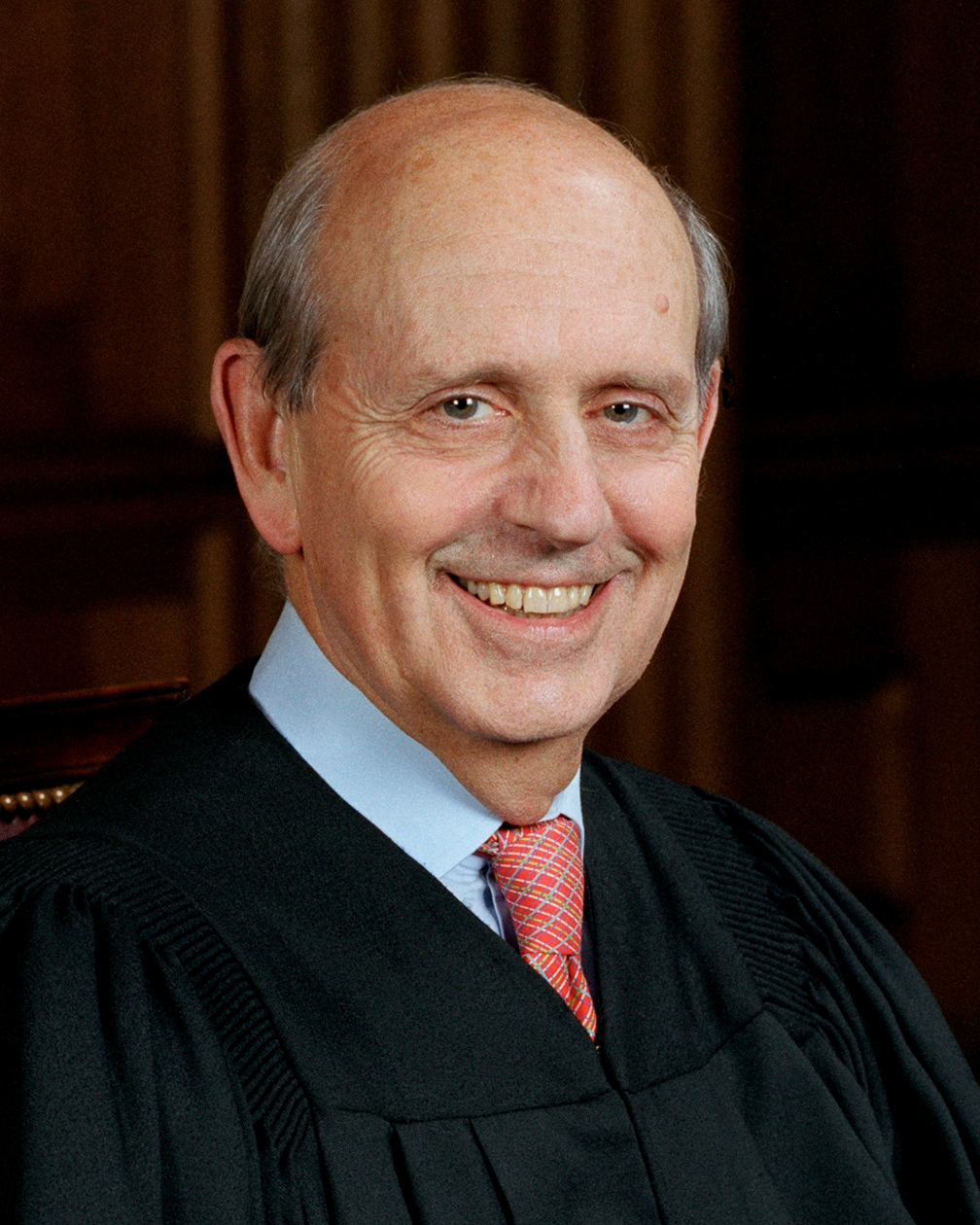
Justice Stephen Breyer pushed back against assertions that political considerations unduly influence the decisions of the U.S. Supreme Court [1].
This defense comes amid a broader national debate regarding the impartiality of the judiciary. If the public perceives the court as a political body rather than a legal one, the legitimacy of its rulings may be questioned by the citizenry.
Breyer addressed these concerns by emphasizing the distinction between legal philosophy and political affiliation. He said that the court operates on principles of law, regardless of the external political climate surrounding the justices [1].
During his remarks, Breyer focused on the psychological and societal impact of these accusations. He said that "declining public confidence could become a long-term problem for the judiciary" [1]. This suggests that the damage to the court's reputation may outlast the current political cycle.
The conversation regarding judicial independence has frequently involved other members of the court, including Chief Justice John Roberts and Justice Samuel Alito [1]. While the justices often differ in their legal interpretations, Breyer's comments highlight a shared concern over how the institution is viewed by the American people.
Breyer did not provide a specific roadmap for restoring public trust but identified the decline in confidence as a significant risk [1]. He said that the judiciary must remain insulated from the partisan volatility that characterizes other branches of the U.S. government.
“"declining public confidence could become a long-term problem for the judiciary."”
The tension between judicial independence and political perception is reaching a critical point. Breyer's warning indicates that the Supreme Court is aware that its power relies not on enforcement mechanisms, but on public perceived legitimacy. If the court is viewed as a political actor, its ability to resolve national conflicts without inciting further instability is diminished.


