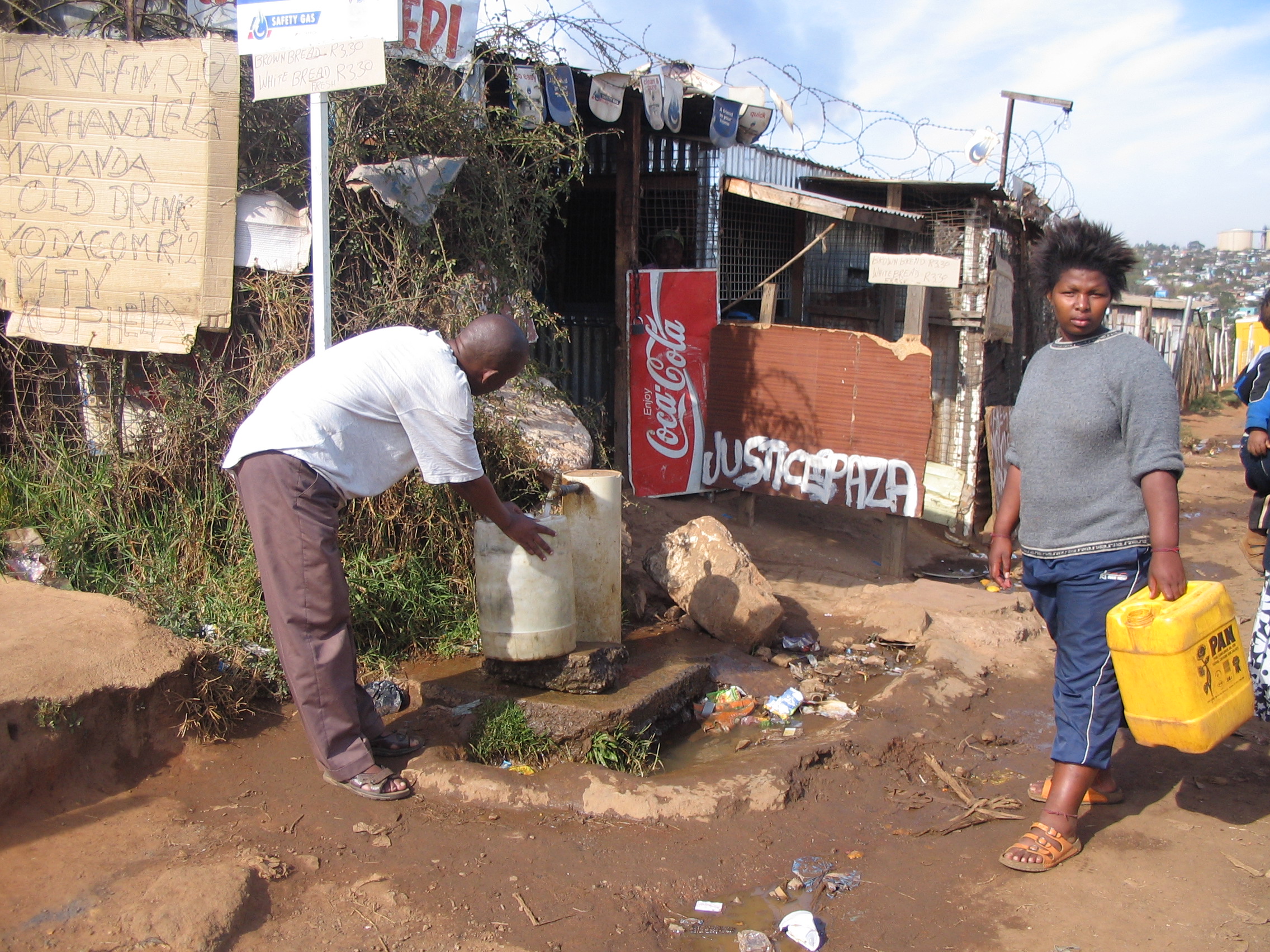
The New Development Bank approved a loan of up to $1 billion [1] to upgrade urban infrastructure across eight South African municipalities.
This investment targets critical service gaps in some of the region's most populated areas. By focusing on basic utilities, the funding aims to stabilize essential services that directly impact the daily lives and economic productivity of millions of urban residents.
The loan is earmarked for the improvement of water supply, sanitation, electricity, and solid-waste management [1]. These upgrades will be implemented across eight metropolitan municipalities [1], which together serve approximately 22 million residents [2].
The New Development Bank is a multilateral development bank backed by the BRICS nations [1]. The institution focuses on providing financial support for infrastructure and sustainable development projects in emerging economies.
Officials said the goal of the initiative is to improve essential urban services for the affected residents [1]. The scale of the project reflects the urgent need for modernized utility networks to support growing urban populations and prevent service collapses in key metropolitan hubs.
By addressing sanitation and waste management alongside electricity and water, the loan takes a comprehensive approach to urban stability. The funding will allow municipalities to tackle aging pipes, unreliable power grids, and inefficient waste disposal systems that have hindered growth in these eight regions [1].
“The New Development Bank approved a loan of up to $1 billion to upgrade urban infrastructure.”
This loan signals a strategic shift toward large-scale urban stabilization in South Africa, utilizing the BRICS-backed New Development Bank to bypass traditional Western financing. By targeting eight major metros, the project aims to secure the foundational infrastructure necessary for economic stability in areas housing a significant portion of the national population.


