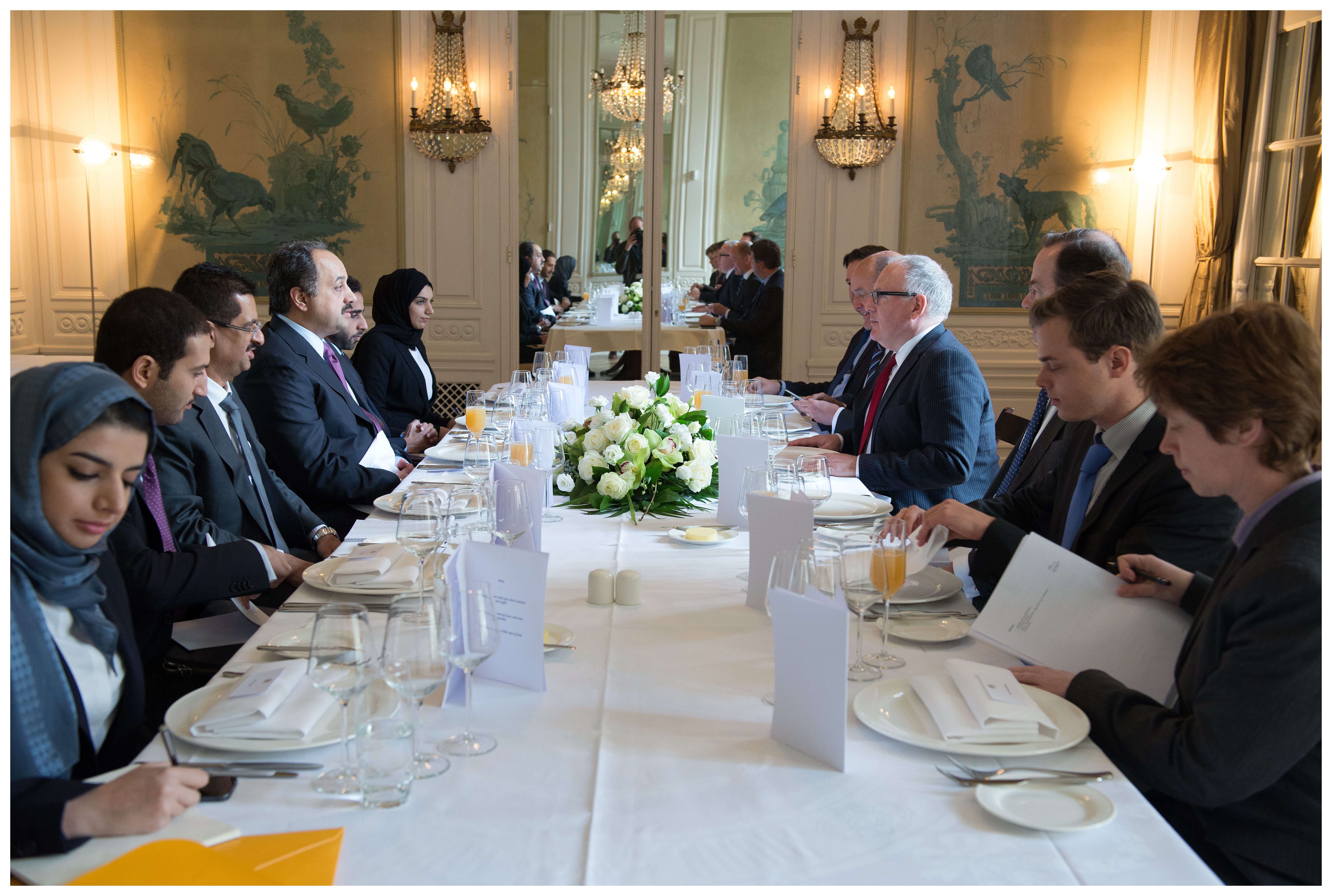
Foreign ministers from BRICS nations arrived in New Delhi this week for a high-stakes meeting chaired by India's External Affairs Minister S. Jaishankar.
The gathering serves as a critical coordination point for emerging economies seeking to establish a multipolar world order. By aligning on energy security and global conflict resolution, these nations aim to reduce reliance on Western-centric diplomatic and financial frameworks.
Iranian Foreign Minister Seyed Abbas Araghchi and Russian Foreign Minister Sergey Lavrov arrived in the Indian capital to participate in the summit [1, 2]. They are joined by delegations from Brazil, South Africa, and other BRICS members [1].
The meeting is scheduled to last two days [1], taking place from May 14 to May 15, 2026 [3]. According to reports, five BRICS member nations are represented at the event [3].
Agenda items for the two-day session include global conflicts and energy security [1]. Officials are expected to focus specifically on tensions related to Iran and broader coordination among the bloc [2].
Minister Jaishankar is leading the discussions as the chair [1]. The summit occurs amid a climate of heightened Gulf tensions, which has placed a premium on the diplomatic presence of the Iranian delegation [2].
While the meeting focuses on cooperation, the diverse geopolitical interests of the five represented nations—ranging from India's strategic autonomy to Russia's ongoing international frictions—will test the group's ability to reach a unified consensus on energy and security policies [3].
“Iranian Foreign Minister Seyed Abbas Araghchi and Russian Foreign Minister Sergey Lavrov arrived in New Delhi”
This meeting signals a concerted effort by BRICS nations to formalize a non-Western diplomatic axis. By prioritizing energy security and multipolar cooperation, the bloc is attempting to create a systemic hedge against U.S. influence, particularly regarding the management of Middle Eastern tensions and global trade.