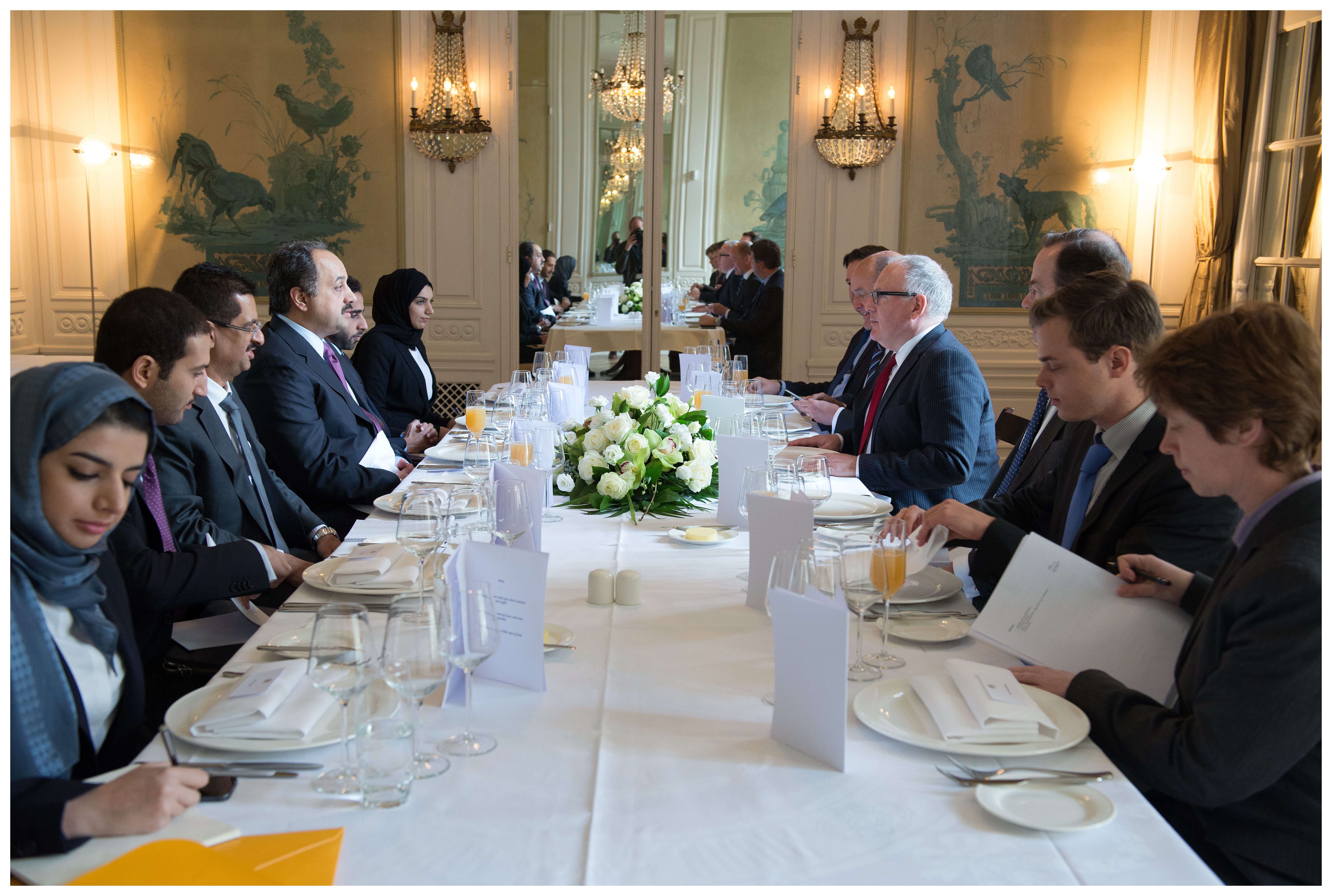
Foreign ministers from the five BRICS nations are meeting in New Delhi for two days [1] to address rising tensions in the Gulf.
This gathering occurs as the bloc faces deep internal divisions over the Iran-Israel-U.S. conflict. India, serving as the 2024 BRICS chair, is attempting to bridge these gaps to preserve the cohesion of the group while member states push opposing geopolitical agendas.
The meeting, scheduled for May 14-15, 2024 [2], focuses on the bloc's response to regional instability. Iran’s top diplomat, Abbas Araghchi, has pressed the member states to condemn what he described as U.S.-Israeli war aggression [3]. Araghchi said the bloc should challenge American "superiority and immunity" [4].
However, the United Arab Emirates is blocking a joint statement unless it omits any condemnation of recent Iranian strikes [5]. This deadlock highlights the difficulty of maintaining a unified front among the five member states [6] when their individual security interests clash.
India has urged the ministers to remain united despite these contradictions [7]. The Indian government is seeking a middle ground that prevents the bloc from fracturing under the pressure of the Iran-Israel conflict, a challenge that tests the limits of the group's diplomatic influence.
Representatives from the UAE and Iran remain at odds over the specific language of the communiqué [5]. India continues to facilitate discussions to ensure the two-day summit [1] concludes with a consensus that does not alienate key members of the Gulf region.
“"challenge American 'superiority and immunity'"”
The friction within BRICS reveals the structural difficulty of forming a cohesive geopolitical bloc composed of nations with wildly different relationships with the U.S. and Israel. While the group aims to project a multipolar alternative to Western dominance, the inability to agree on a simple statement regarding Gulf tensions suggests that national security interests currently outweigh the collective goal of bloc solidarity.