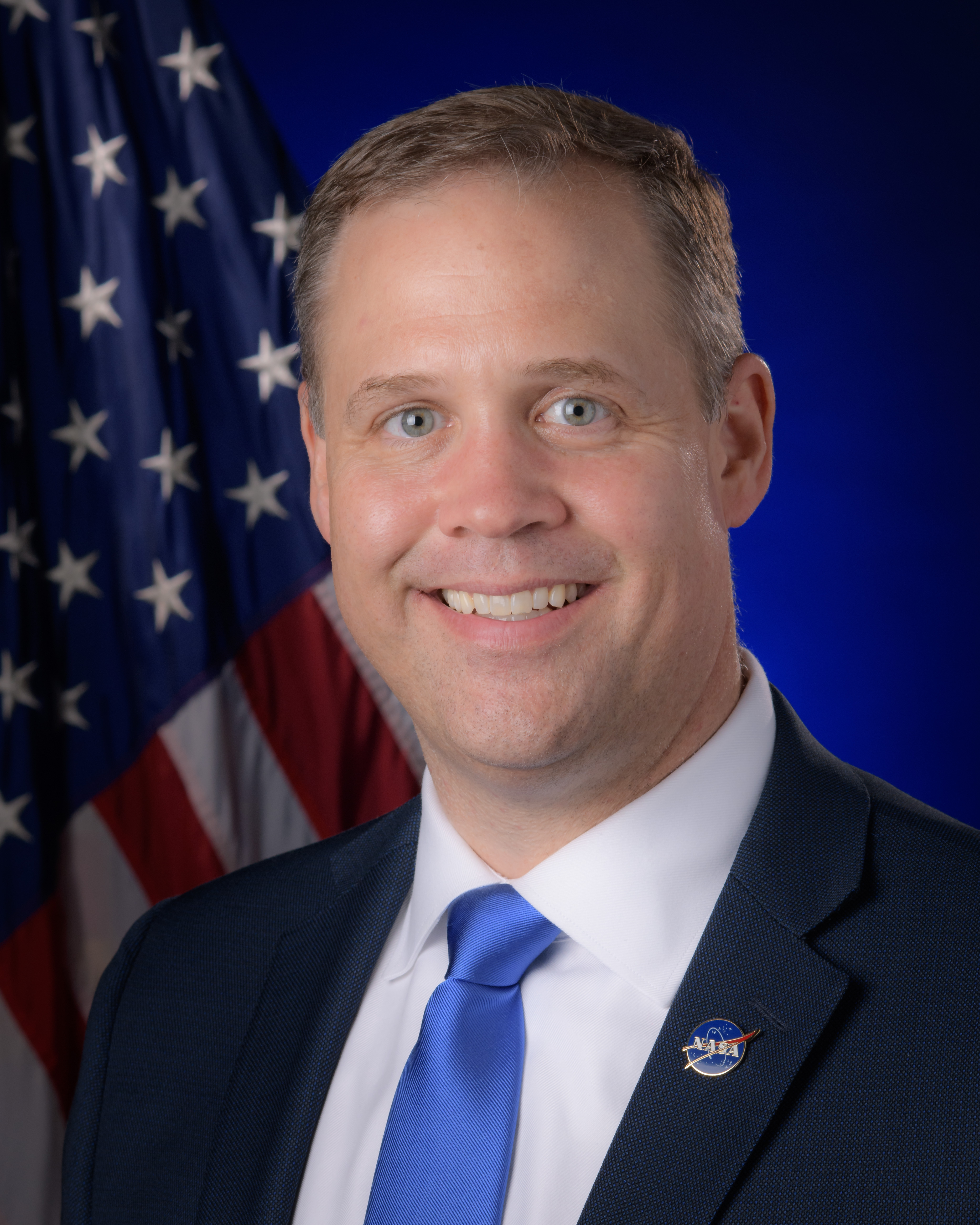
Former NASA administrator Jim Bridenstine said the Artemis program is extraordinarily complicated and lacks a necessary lander for lunar missions [1].
This critique comes from a former agency head who oversaw the start of the current lunar push. His concerns suggest that the technical hurdles of the modern program may be outstripping the agency's ability to execute them safely.
Bridenstine served as the NASA administrator during the first Trump administration [1]. He said that the space agency’s plan to land astronauts on the Moon risks becoming too complicated for its own good [1].
According to Bridenstine, the current architecture is significantly more complex than the Apollo missions of the 1960s and 1970s [1]. He said the absence of a dedicated lander is a critical flaw in the current trajectory of the Artemis program [1].
"Artemis is extraordinarily complicated..." Bridenstine said [1].
The former administrator said that the drive for sophistication may be creating a fragile system. By attempting to integrate too many variables into a single mission profile, he suggests the program is moving away from the streamlined efficiency that characterized previous successful Moon landings [1].
“"Artemis is extraordinarily complicated..."”
The critique highlights a fundamental tension in modern space exploration between the desire for sustainable, long-term lunar infrastructure and the need for mission simplicity to ensure astronaut safety. If the Artemis architecture is deemed too complex, NASA may face pressure to simplify its landing requirements or accelerate the development of a dedicated lunar lander to avoid potential mission failure.

'%2F%3E%0A%20%20%20%20%3Crect%20width%3D'1600'%20height%3D'900'%20fill%3D'url(%23v)'%2F%3E%0A%20%20%20%20%3Cg%20opacity%3D'0.08'%20fill%3D'%23ffffff'%3E%0A%20%20%20%20%20%20%3Ccircle%20cx%3D'1420'%20cy%3D'180'%20r%3D'220'%2F%3E%0A%20%20%20%20%20%20%3Ccircle%20cx%3D'1500'%20cy%3D'760'%20r%3D'120'%2F%3E%0A%20%20%20%20%3C%2Fg%3E%0A%20%20%20%20%3Cline%20x1%3D'80'%20y1%3D'172'%20x2%3D'220'%20y2%3D'172'%20stroke%3D'%23ffffff'%20stroke-width%3D'3'%20stroke-opacity%3D'0.6'%2F%3E%0A%20%20%20%20%3Ctext%20x%3D'80'%20y%3D'140'%20font-family%3D'Inter%2C%20-apple-system%2C%20Helvetica%2C%20sans-serif'%20font-weight%3D'700'%20font-size%3D'28'%20fill%3D'%23ffffff'%20letter-spacing%3D'6'%3EHANNA%20%C2%B7%20NEWS%3C%2Ftext%3E%0A%20%20%20%20%3Ctext%20x%3D'80'%20y%3D'230'%20font-family%3D'Inter%2C%20-apple-system%2C%20Helvetica%2C%20sans-serif'%20font-weight%3D'600'%20font-size%3D'40'%20fill%3D'%23ffffffb3'%20letter-spacing%3D'4'%3ETECH%3C%2Ftext%3E%0A%20%20%20%20%3Ctext%20x%3D'80'%20y%3D'622'%20font-family%3D'Playfair%20Display%2C%20Georgia%2C%20serif'%20font-weight%3D'800'%20font-size%3D'86'%20fill%3D'%23ffffff'%20letter-spacing%3D'-1'%3EValve%20Steam%20Machine%20Faces%3C%2Ftext%3E%3Ctext%20x%3D'80'%20y%3D'721'%20font-family%3D'Playfair%20Display%2C%20Georgia%2C%20serif'%20font-weight%3D'800'%20font-size%3D'86'%20fill%3D'%23ffffff'%20letter-spacing%3D'-1'%3ECriticism%20Over%20Price%20and%3C%2Ftext%3E%3Ctext%20x%3D'80'%20y%3D'820'%20font-family%3D'Playfair%20Display%2C%20Georgia%2C%20serif'%20font-weight%3D'800'%20font-size%3D'86'%20fill%3D'%23ffffff'%20letter-spacing%3D'-1'%3ETiming%3C%2Ftext%3E%0A%20%20%20%20%3Ctext%20x%3D'80'%20y%3D'870'%20font-family%3D'Inter%2C%20-apple-system%2C%20Helvetica%2C%20sans-serif'%20font-weight%3D'500'%20font-size%3D'22'%20fill%3D'%23ffffff66'%20letter-spacing%3D'2'%3Enews.hanna-ai.com%3C%2Ftext%3E%0A%20%20%3C%2Fsvg%3E)
