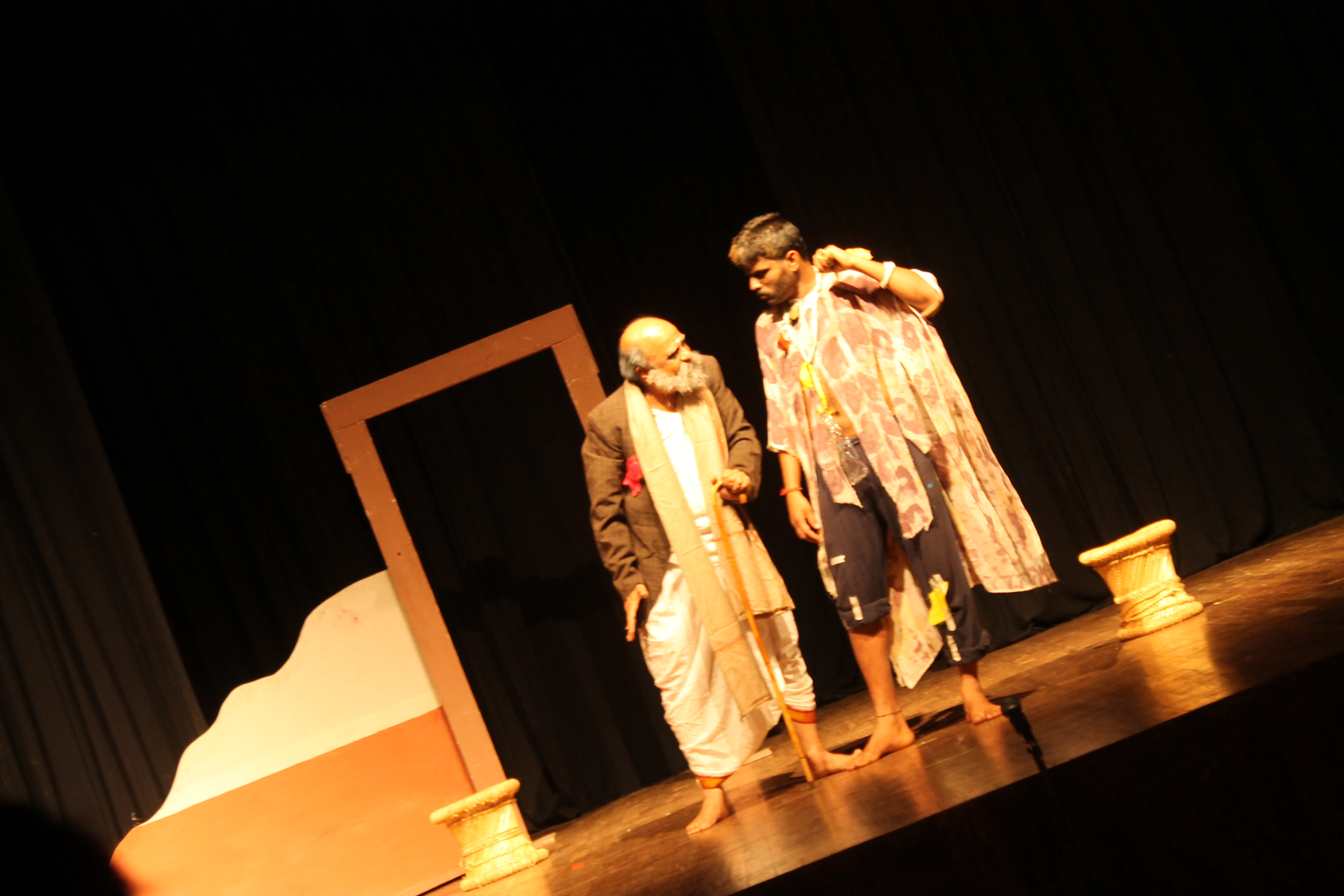
Ten Buddhist plays written by Ishwar M. Ingan were presented at Rangayana in Kalaburagi, Karnataka, as a rare contribution to Kannada theatre [1].
This production introduces a distinct philosophical framework to the regional stage, aiming to enrich the local artistic landscape by bridging ancient thought with modern societal issues.
Basavaraj Hugar said the ten Buddhist plays [1] by Ishwar M. Ingan enrich Kannada theatre, merging philosophy with contemporary relevance [1]. The presentation focused on integrating these spiritual themes into a format accessible to modern audiences, a move intended to broaden the thematic scope of the region's theatrical tradition.
The event took place at the Rangayana center, a hub for performing arts in Kalaburagi [1]. By utilizing this venue, the production sought to engage the community in a dialogue about Buddhist philosophy and its application to current life.
According to Hugar, the work is significant because it represents a departure from more common theatrical tropes in the state [1]. He said the plays are "merging philosophy with contemporary relevance" [1].
Ishwar M. Ingan's work focuses on the intersection of ethical teachings and the human experience. The series of plays serves as a vehicle for exploring these concepts through performance, ensuring that the philosophical underpinnings of Buddhism are not merely studied as texts but experienced as living narratives [1].
“Ten Buddhist plays by Ishwar M. Ingan enrich Kannada theatre, merging philosophy with contemporary relevance”
The introduction of these plays suggests a growing interest in diversifying the thematic content of Kannada theatre beyond traditional folklore or political drama. By incorporating Buddhist philosophy, the production attempts to use the performing arts as a tool for intellectual and spiritual exploration, potentially opening doors for more faith-based or philosophical works in the region's cultural institutions.