Actor Keegan-Michael Key and director Casper Kelly have collaborated on a new horror film titled “Buddy,” a parody of 1990s children's television [1, 2].
The project represents a subversion of family-friendly media, aiming to launch a new horror icon by blending comedy with psychological dread [1, 2]. By using the aesthetic of early cable programming, the filmmakers intend to contrast nostalgic childhood imagery with unsettling themes [1].
Kelly previously gained recognition as the creator of "Too Many Cooks," a project known for its surrealist approach to storytelling [1]. This new collaboration continues that trajectory, utilizing a specific era of broadcasting to create a sense of familiarity before introducing horror elements [1, 2].
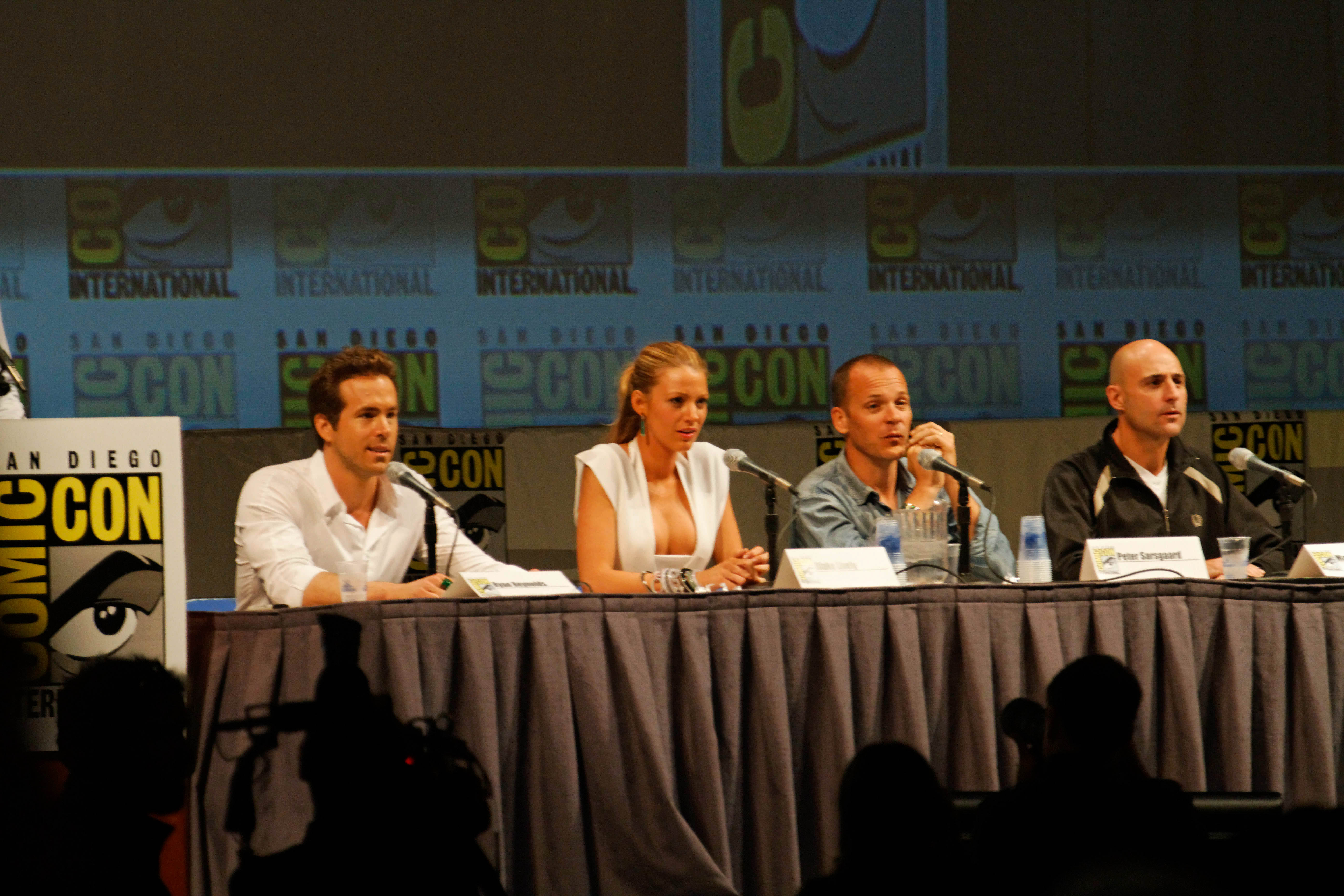
The film has already seen significant industry activity this year. It premiered at the Sundance Film Festival in Park City, Utah, and was further promoted during a presentation at Comic-Con in San Diego [1, 3]. A theatrical release for the project was slated for spring 2026 [3].
Cast lists for the production vary across reports. Some sources list the starring cast as Delaney Quinn, Keegan-Michael Key, and Cristin Milioti [3]. Other reports include a wider ensemble featuring Cristin Milioti, Topher Grace, Keegan-Michael Key, Michael Shannon, and Patton Oswalt [4].
Critics and editorial teams have noted the film's specific visual strategy. IGN editorial said, "On the surface, Buddy looks like every kids' show from the 90s, but underneath that family-friendly veneer, true horror awaits" [1]. IndieWire editorial said, "If you're looking for some late-night weirdness to get you through the dog days of summer, look no further than ‘Buddy’" [2].
“"On the surface, Buddy looks like every kids' show from the 90s, but underneath that family-friendly veneer, true horror awaits."”
The collaboration between Key and Kelly signals a growing trend in 'analog horror' and nostalgia-driven cinema. By parodying the specific visual language of 1990s children's programming, the film leverages the collective memory of Millennial and Gen Z audiences to create a sense of uncanny displacement, transforming a symbol of safety into a source of fear.