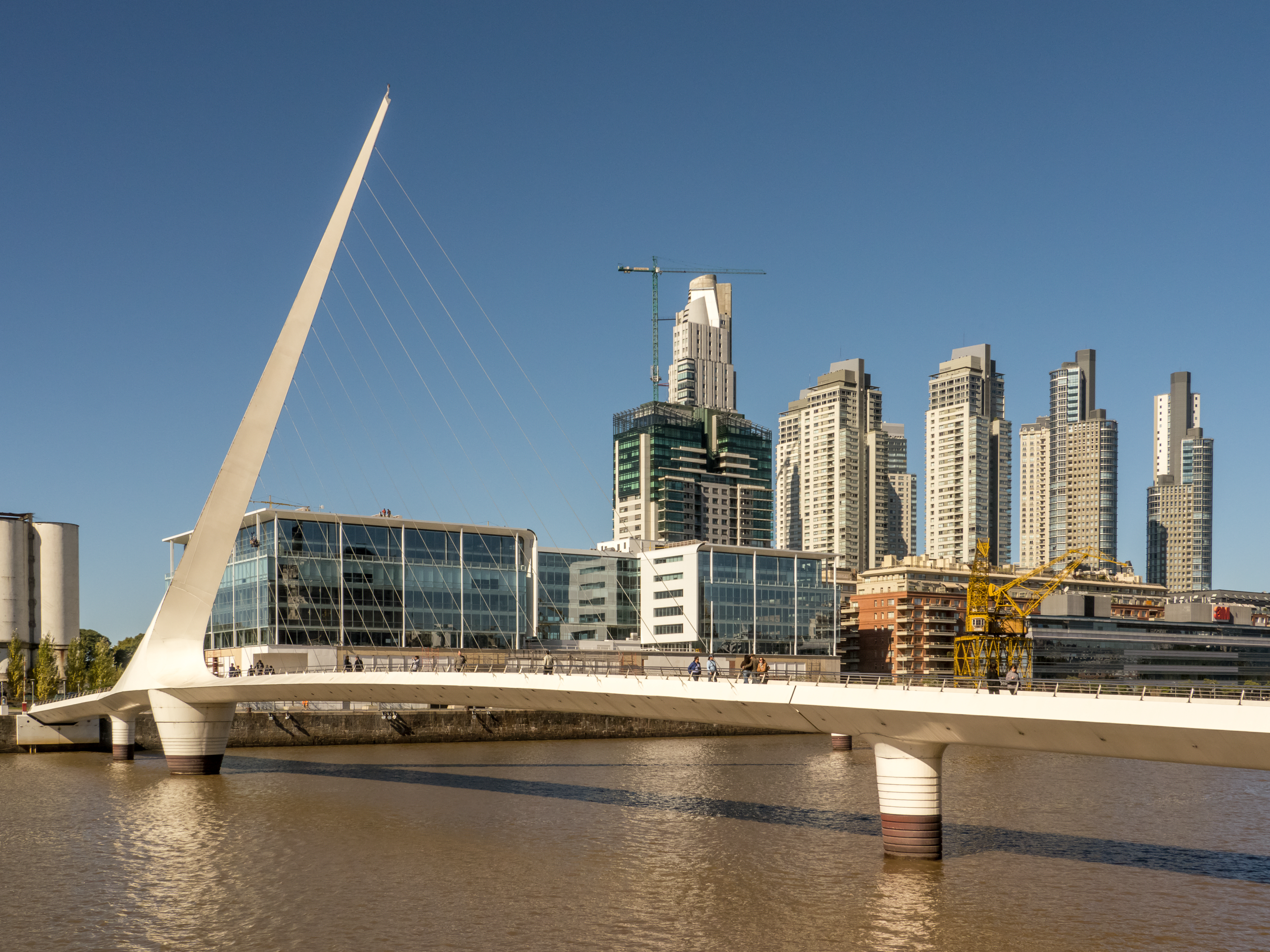
A dense fog covered Buenos Aires during the last week of March 2026, darkening the sky and reducing visibility [1, 2].
The event highlighted the impact of sudden atmospheric shifts on urban infrastructure and transportation in one of South America's largest cities.
The phenomenon occurred on the Monday of the final week of March 2026 [1]. Natural atmospheric conditions produced the thick fog layer, which shrouded the city skyline and covered major avenues [1]. Residents captured images of the city under a heavy blanket of mist, with some descriptions calling the resulting visuals apocalyptic [1, 2].
While the fog event took place in March, current weather data for the city on Tuesday, July 28, 2026, shows a temperature of 12 °C [3]. Relative humidity is currently 95% [3], though the chance of rain is 0% [3].
Local reports said the fog muted city lights and obscured the usual architectural landmarks of the capital [1, 2]. The dense layer created low-visibility conditions that affected daily movement across the metropolitan area. This type of weather event is typically driven by the interaction of moisture and temperature changes near the ground level [1].
“A dense fog covered Buenos Aires, darkening the sky and reducing visibility.”
This event underscores the vulnerability of urban transit and visibility in Buenos Aires to sudden meteorological shifts. While the fog was a natural occurrence, the resulting low-visibility conditions can lead to significant transportation delays and safety risks in high-density city centers.