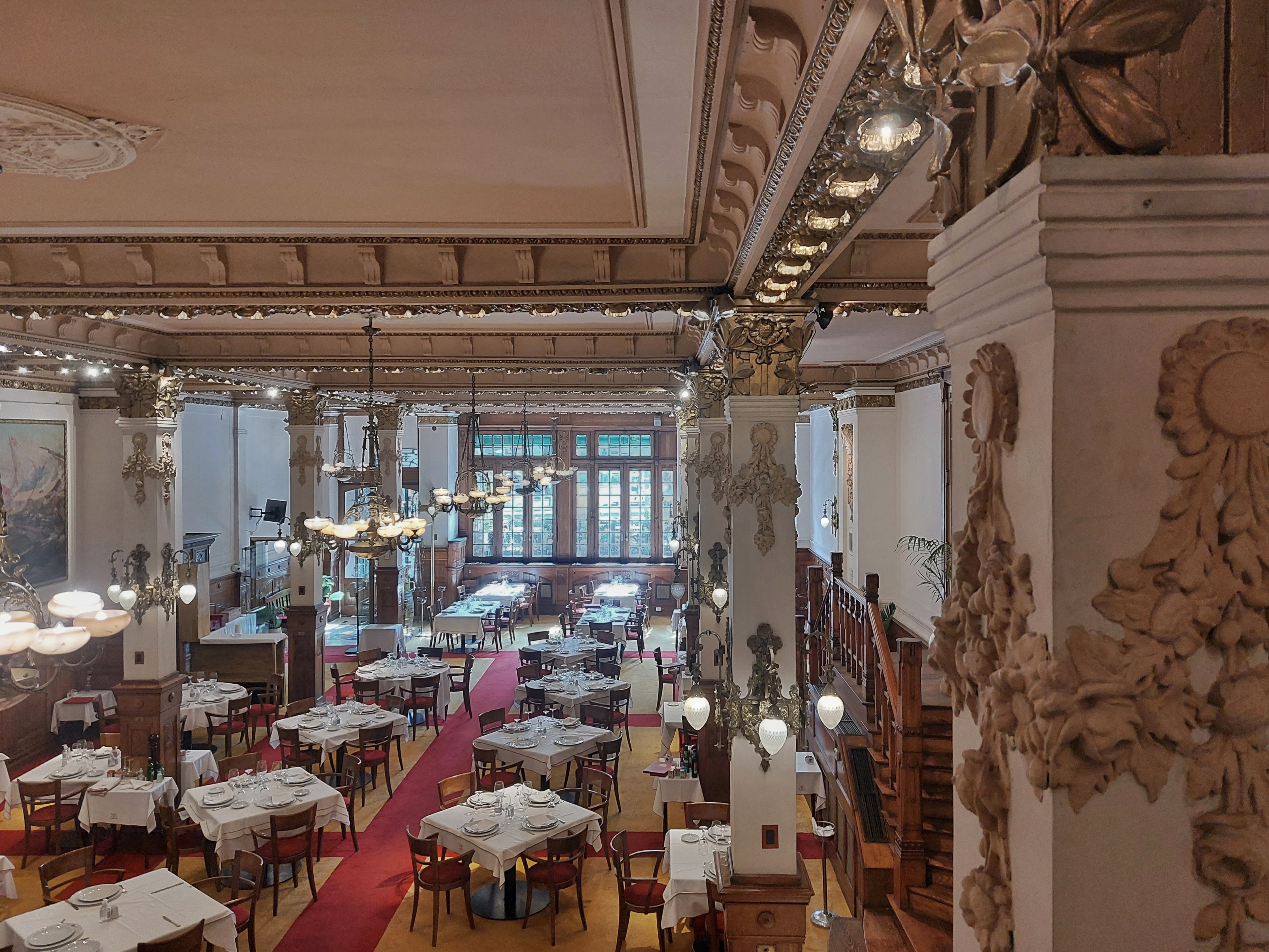
A restaurant in Buenos Aires is gaining recognition for operating without a specialization in steak [1].
This shift is significant because Buenos Aires is widely regarded as a steak-obsessed city. By pivoting away from the traditional beef-centric culinary model, the establishment challenges the deep-rooted gastronomic norms of the Argentine capital.
The restaurant's philosophy centers on providing a different culinary experience for its patrons [1]. Rather than adhering to the expectations of local meat culture, the kitchen focuses on a diverse menu that does not rely on beef as its primary draw.
Local dining in Buenos Aires has long been defined by the parrilla, or grill, where high-quality cuts of beef are the centerpiece of almost every meal. The emergence of a highly regarded venue that skips this tradition suggests a broadening of the city's palate.
"This is a Buenos Aires restaurant that does not specialise in steak," a reporter said [2].
The venue continues to operate under this philosophy, prioritizing a unique gastronomic approach over the conventional demands of the local market [1]. This approach allows the restaurant to stand out in a competitive landscape dominated by traditional steakhouses.
“"This is a Buenos Aires restaurant that does not specialise in steak."”
The success of a non-steak-centric restaurant in Buenos Aires indicates a shift in urban consumer behavior. It suggests that even in regions with powerful cultural identities tied to specific foods, there is a growing market for culinary diversification and a willingness to embrace global gastronomic trends over traditional staples.


