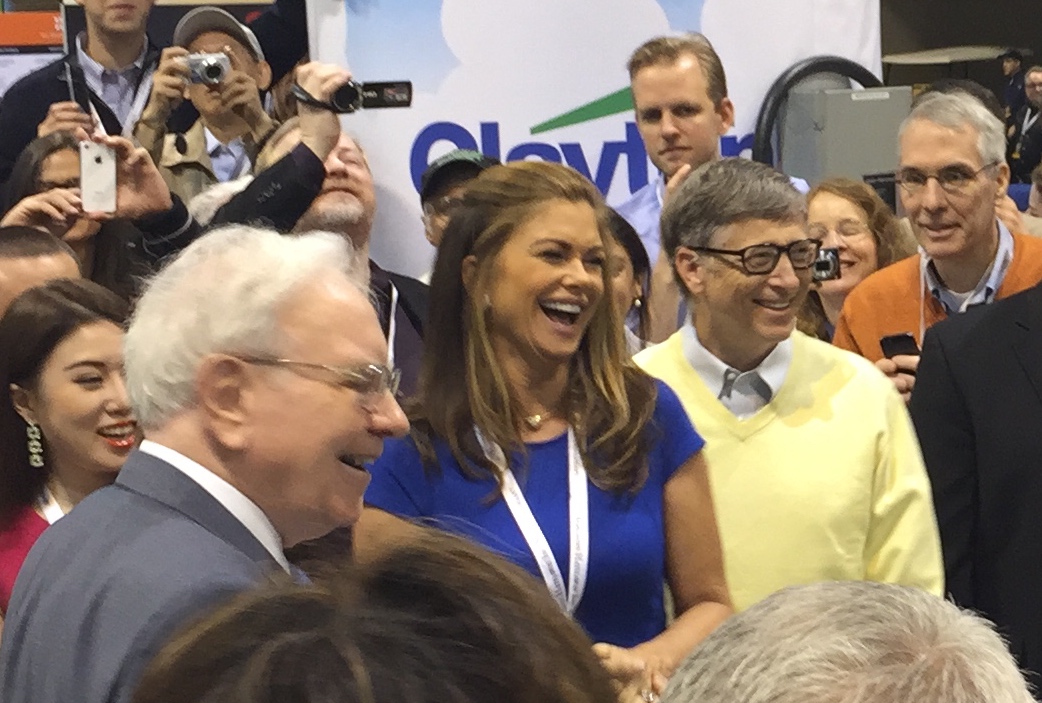
Warren Buffett excluded the Bill & Melinda Gates Foundation from his mid-year charitable giving on July 14 [1].
This shift marks a significant departure from a two-decade philanthropic partnership. The move follows recent congressional testimony by Bill Gates regarding his connections to Jeffrey Epstein, suggesting a rupture in one of the most prominent financial and philanthropic alliances in the U.S. [1, 3].
Instead of the usual distribution, Buffett donated approximately 12 million Class B Berkshire Hathaway shares [2]. These shares are valued at almost $6 billion [1]. The assets were transferred to four separate foundations managed by Buffett's children [1].
This is the first time the Gates Foundation has been omitted from Buffett's annual donation cycle since 2006 [1]. Since that year, Buffett has donated over $47 billion to the foundation [4].
The decision comes weeks after Bill Gates testified before Congress about his links to Jeffrey Epstein [3, 5]. The testimony and subsequent revelations regarding Epstein's activities coincided with the timing of the mid-year donation cycle [1, 3].
Buffett has not provided a public statement detailing the specific reasoning for the change, but the timing aligns with the public scrutiny surrounding the Epstein case [3, 5]. The redirection of funds to family-run foundations ensures the capital remains within his immediate kinship network, while maintaining his commitment to charitable giving [1].
“Buffett excluded the Bill & Melinda Gates Foundation from his mid-year charitable giving.”
The cessation of these donations signals a potential permanent shift in Buffett's philanthropic strategy. By redirecting billions to his children's foundations, Buffett is transitioning from a model of supporting external global health initiatives to a legacy-based model of family governance. The timing suggests that reputational risk associated with the Epstein revelations has outweighed the strategic value of the partnership with the Gates Foundation.


'%2F%3E%0A%20%20%20%20%3Crect%20width%3D'1600'%20height%3D'900'%20fill%3D'url(%23v)'%2F%3E%0A%20%20%20%20%3Cg%20opacity%3D'0.08'%20fill%3D'%23ffffff'%3E%0A%20%20%20%20%20%20%3Ccircle%20cx%3D'1420'%20cy%3D'180'%20r%3D'220'%2F%3E%0A%20%20%20%20%20%20%3Ccircle%20cx%3D'1500'%20cy%3D'760'%20r%3D'120'%2F%3E%0A%20%20%20%20%3C%2Fg%3E%0A%20%20%20%20%3Cline%20x1%3D'80'%20y1%3D'172'%20x2%3D'220'%20y2%3D'172'%20stroke%3D'%23ffffff'%20stroke-width%3D'3'%20stroke-opacity%3D'0.6'%2F%3E%0A%20%20%20%20%3Ctext%20x%3D'80'%20y%3D'140'%20font-family%3D'Inter%2C%20-apple-system%2C%20Helvetica%2C%20sans-serif'%20font-weight%3D'700'%20font-size%3D'28'%20fill%3D'%23ffffff'%20letter-spacing%3D'6'%3EHANNA%20%C2%B7%20NEWS%3C%2Ftext%3E%0A%20%20%20%20%3Ctext%20x%3D'80'%20y%3D'230'%20font-family%3D'Inter%2C%20-apple-system%2C%20Helvetica%2C%20sans-serif'%20font-weight%3D'600'%20font-size%3D'40'%20fill%3D'%23ffffffb3'%20letter-spacing%3D'4'%3EBUSINESS%3C%2Ftext%3E%0A%20%20%20%20%3Ctext%20x%3D'80'%20y%3D'694'%20font-family%3D'Playfair%20Display%2C%20Georgia%2C%20serif'%20font-weight%3D'800'%20font-size%3D'110'%20fill%3D'%23ffffff'%20letter-spacing%3D'-1'%3EIIT%20Kanpur%20Study%20Finds%20E20%3C%2Ftext%3E%3Ctext%20x%3D'80'%20y%3D'820'%20font-family%3D'Playfair%20Display%2C%20Georgia%2C%20serif'%20font-weight%3D'800'%20font-size%3D'110'%20fill%3D'%23ffffff'%20letter-spacing%3D'-1'%3EFuel%20Does%20Not%20Damage%20Engines%3C%2Ftext%3E%0A%20%20%20%20%3Ctext%20x%3D'80'%20y%3D'870'%20font-family%3D'Inter%2C%20-apple-system%2C%20Helvetica%2C%20sans-serif'%20font-weight%3D'500'%20font-size%3D'22'%20fill%3D'%23ffffff66'%20letter-spacing%3D'2'%3Enews.hanna-ai.com%3C%2Ftext%3E%0A%20%20%3C%2Fsvg%3E)