
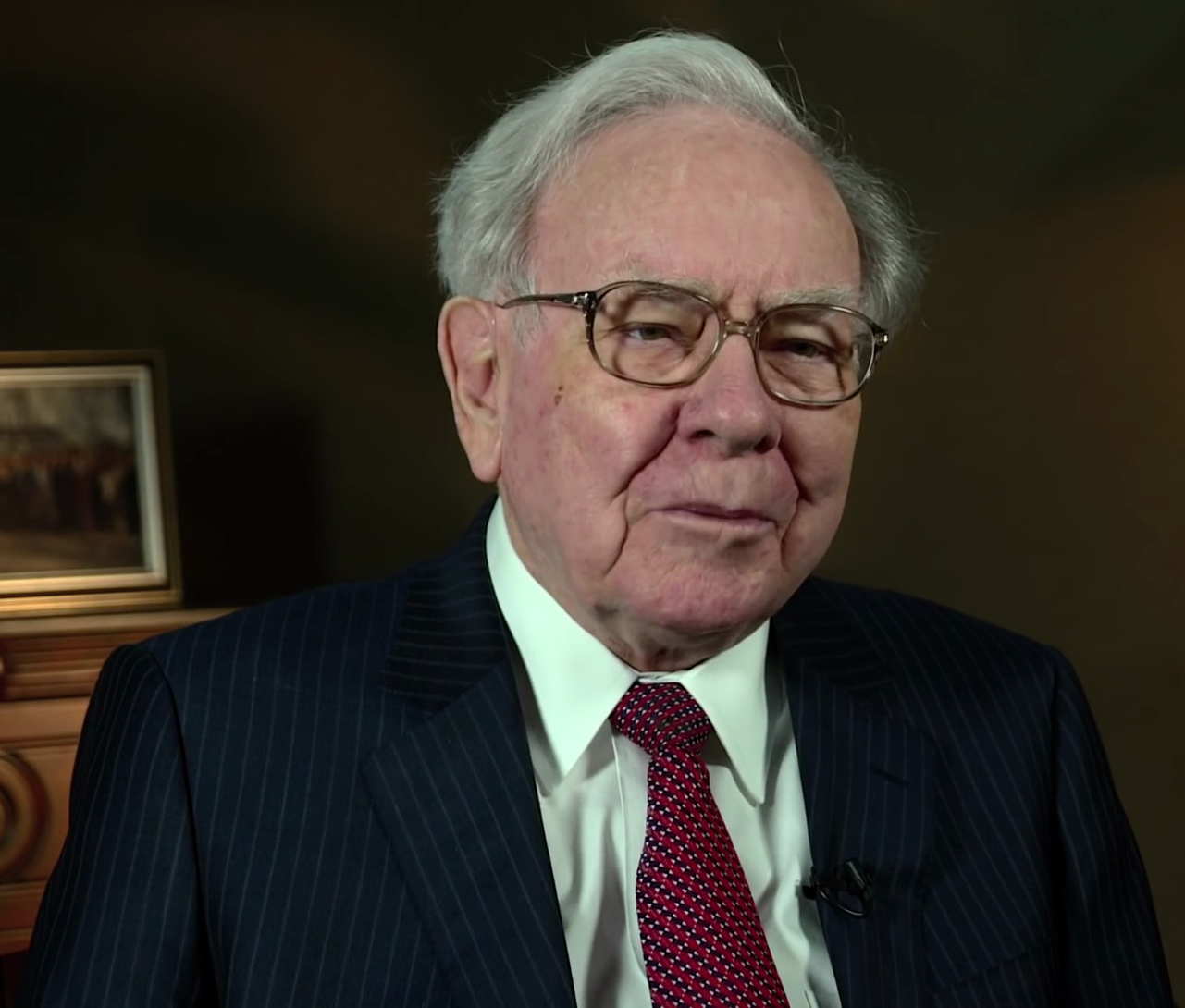
Warren Buffett praised Greg Abel's leadership during the Berkshire Hathaway annual shareholder meeting on May 2, 2026 [1], calling the CEO appointment "100% successful" [2].
The endorsement serves as a critical signal to investors regarding the stability of the conglomerate's leadership transition. Because Buffett is viewed as a pillar of the global financial markets, his explicit approval of Abel's performance is intended to maintain market confidence in the company's long-term strategy.
Speaking in Omaha, Nebraska, Buffett said he has deep confidence in Abel's ability to manage the diverse holdings of the firm [1]. The transition followed Buffett's retirement as CEO on Dec. 31, 2025 [3]. During the event, Buffett said that Abel possesses a comprehensive grasp of the company's operational complexities.
"He understands businesses extremely well," Buffett said [4].
The annual meeting in 2026 [1] provided a platform for Buffett to validate the succession plan that had been discussed by the company for years. By labeling the choice as entirely successful, the chairman aimed to silence doubts about whether a successor could replicate his unique approach to value investing, and capital allocation.
Buffett said previously that Abel's operational expertise was a primary driver in the selection process [4]. The transition marks a shift from the founder-led era to a structured corporate leadership model under Abel, who now oversees the massive portfolio of insurance, rail, and energy assets.
Shareholders gathered in Omaha to hear the update on the company's trajectory under the new leadership [1]. The meeting underscored the continuity of Berkshire's culture despite the change in the top executive role.
“"It's 100% successful."”
This public validation by Warren Buffett is designed to mitigate 'key-man risk,' the danger that a company's value is too closely tied to one individual. By confirming that Greg Abel has successfully navigated the CEO role since January 2026, Buffett is attempting to decouple the company's perceived reliability from his own personal presence, ensuring that shareholders view the transition as a seamless evolution rather than a disruptive change.


