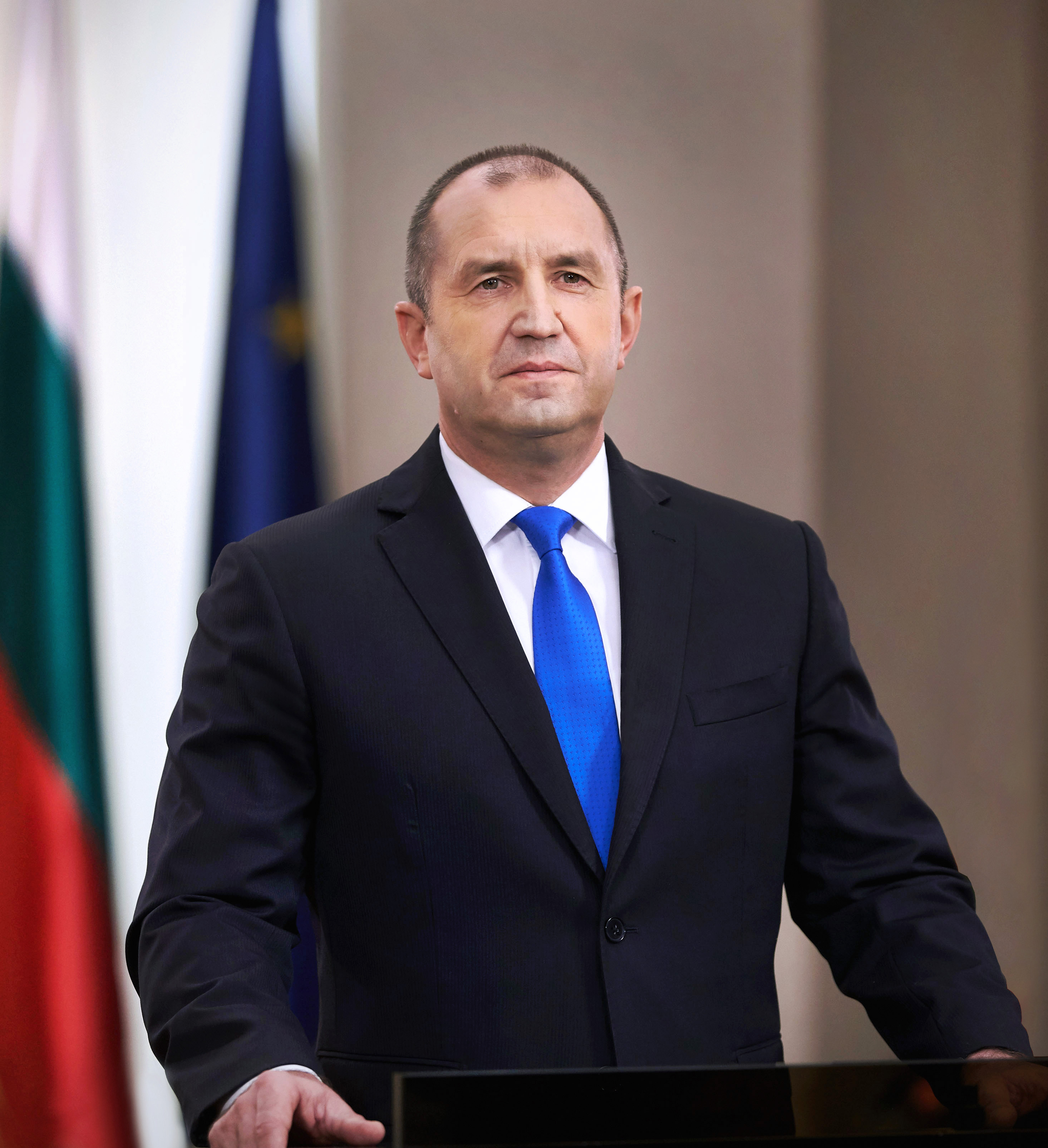
Early exit polls on April 19 show former president Rumen Radev’s Progressive Bulgaria coalition leading the snap parliamentary election.
The outcome matters because Bulgarians are looking for political stability after the previous government resigned amid anti‑corruption protests, and Radev’s pro‑Russian, euro‑skeptic platform is resonating with a sizable portion of the electorate.
Early counts released by Anadolu Agency said Progressive Bulgaria’s support was just over 43% of the vote[1], while the Kyiv Independent said an exit‑poll projection was 37‑38%[2]. The two figures suggest the coalition is ahead with vote shares reported between about 38% and just over 43%.
The election was held on April 19, 2026[3], a snap vote called after the resignation of the caretaker cabinet that had struggled to pass key reforms. Voters turned out in record numbers, reflecting heightened public interest in the country’s direction amid ongoing debates over EU integration and relations with Russia.
Analysts said a win for Progressive Bulgaria could shift Bulgaria’s foreign policy posture, given Radev’s history of balancing EU commitments with a more conciliatory stance toward Moscow.
Domestically, the coalition’s anti‑corruption messaging may pressure other parties to adopt stricter transparency measures, a demand amplified by recent street protests.
**What this means** Radev’s coalition appears poised to form a government that could redefine Bulgaria’s alignment within Europe and its internal reform agenda. A parliamentary majority would give Progressive Bulgaria leverage to influence legislation on judicial independence, media freedom, and energy policy, areas that have been flashpoints in recent Bulgarian politics. The range in early poll numbers underscores the fluidity of the final count, but the clear lead suggests a decisive shift away from the fragmented coalitions that have governed in recent years.
“Progressive Bulgaria is leading with vote shares reported between about 38% and just over 43%.”
Radev’s coalition appears poised to form a government that could redefine Bulgaria’s alignment within Europe and its internal reform agenda. A parliamentary majority would give Progressive Bulgaria leverage to influence legislation on judicial independence, media freedom, and energy policy, areas that have been flashpoints in recent Bulgarian politics.


