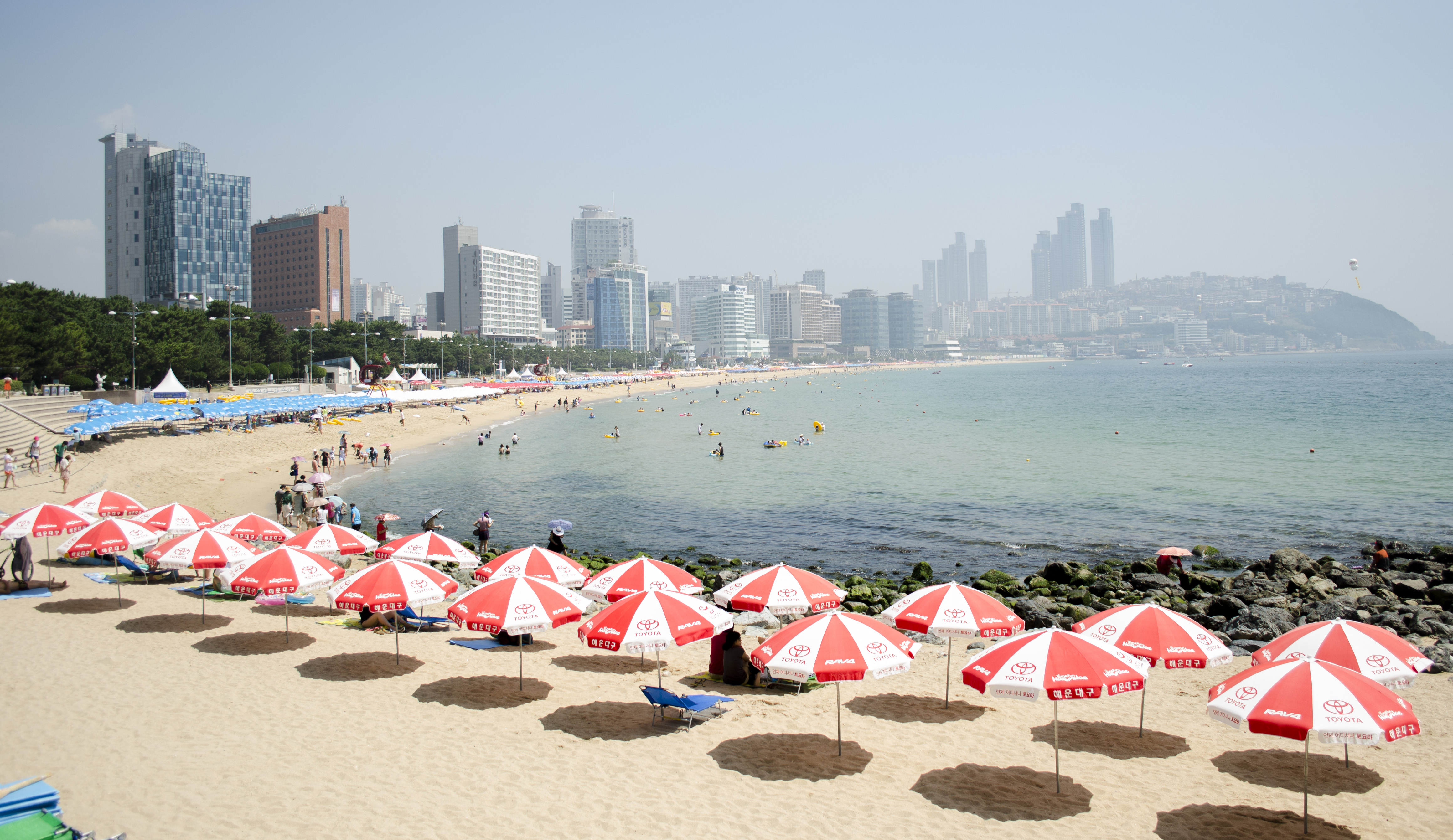
The Busan city government and the Busan Tourism Organization launched a marketing campaign on Tuesday to attract Chinese-speaking tourists using local slang [1].
The initiative, titled the “Busan-byung cure promotion,” targets visitors from Chinese-speaking regions, including Taiwan, who use the term “Busan-byung” to describe a longing to return to the city after a trip [1]. By embracing this organic social media trend, the city aims to convert digital sentiment into repeat tourism and increased spending.
This push follows a significant surge in international arrivals. In May 2024, 466,683 foreign tourists visited Busan [2], representing a 42.9% increase compared to the same period the previous year [3]. This growth has positioned Busan as a primary destination, accounting for 22.2% of all foreign tourist arrivals nationwide [6].
Visitors from Taiwan have been particularly influential in this trend. In May 2024, 84,502 Taiwanese tourists visited the city [4], which is a 46.3% increase over the same month in the prior year [5]. The city is now utilizing both online and offline channels to capitalize on the specific cultural phenomenon of “Busan-byung,” a pseudo-medical term suggesting a “disease” of nostalgia for the city's sights and atmosphere [1].
Local officials said the campaign is designed to provide a “cure” for this longing by encouraging tourists to book return trips. The strategy focuses on the high growth rate of the Chinese-speaking market, leveraging existing viral conversations to maintain the momentum of the city's tourism recovery [1].
“The “Busan-byung cure promotion” targets visitors from Chinese-speaking regions.”
Busan's strategy reflects a shift toward 'sentiment-based' marketing, where governments monitor niche internet slang to identify emerging demand. By targeting the specific psychological state of post-trip nostalgia among Taiwanese and Chinese-speaking travelers, Busan is attempting to build long-term brand loyalty rather than relying on one-time visits.


