Health Minister Mark Butler said a proposal by the One Nation party to significantly reduce the tobacco excise tax on Wednesday [1].
The dispute highlights a fundamental clash between public health strategies and populist economic policies aimed at reducing the cost of living for smokers.
One Nation's plan involves implementing a $22 price for cigarettes as part of a broader tax-cut strategy [2]. The party said that lowering the cost of legal tobacco would discourage consumers from turning to the illicit market.
Butler said the proposal was a gimmick intended to boost the profits of big tobacco corporations [1]. He said that the plan would not effectively address the issues surrounding the black market [1].
"It's nothing but a cheap headline," Butler said [1].
The minister's criticism comes as the government maintains its current approach to tobacco pricing, which uses high taxes to discourage smoking and reduce long-term healthcare burdens. Butler said the move by One Nation ignored the health risks associated with smoking [1].
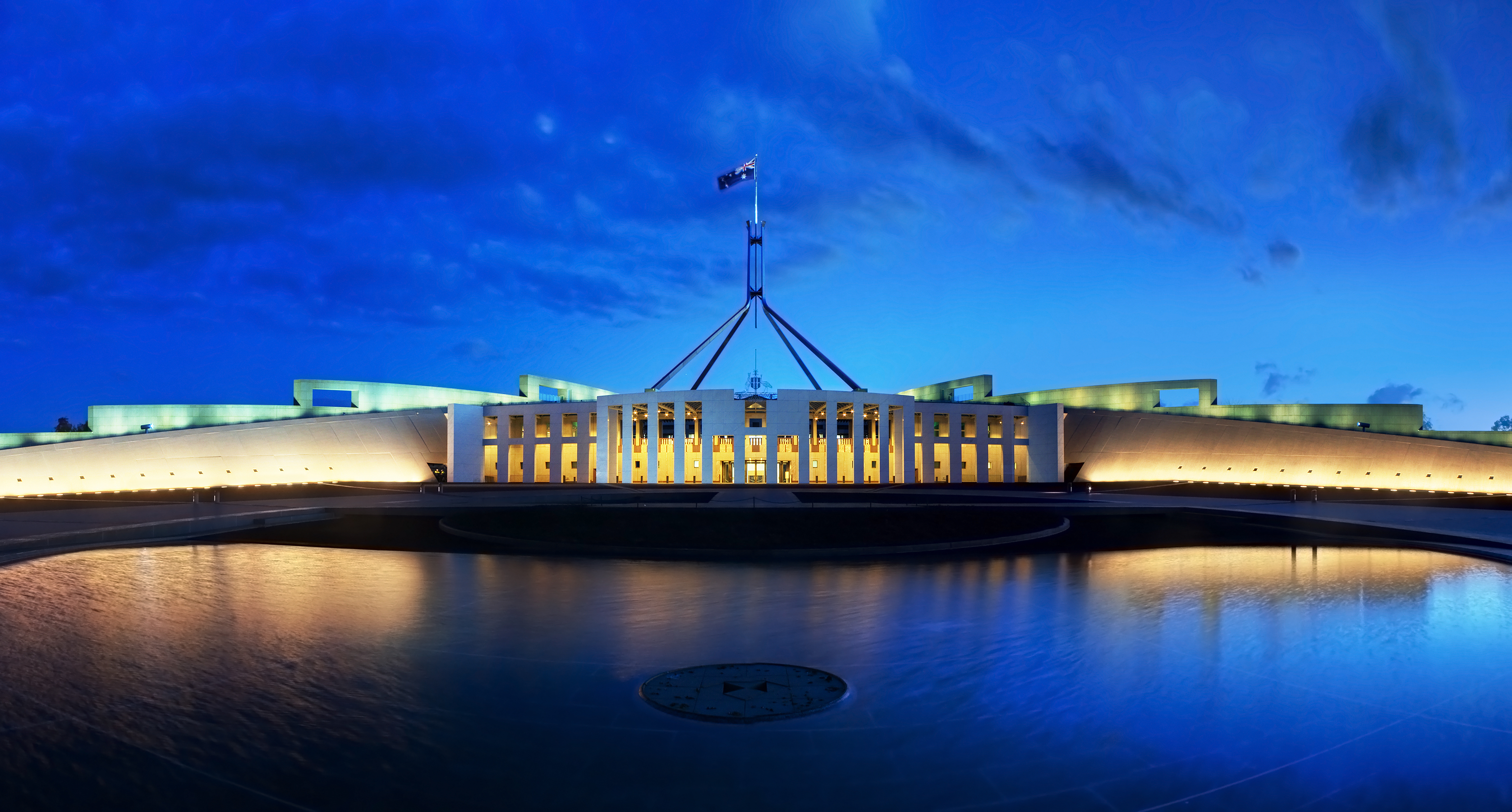
The debate occurred within the Federal Parliament in Canberra, where the government continues to defend its excise policies against claims that high prices fuel illegal trade [1].
“"It's nothing but a cheap headline."”
This clash underscores the tension between using taxation as a public health tool and the political pressure to lower costs for consumers. While high excise taxes are designed to reduce smoking rates, they can create price gaps that illicit traders exploit. The government's rejection of the $22 price point suggests it views the health risks of increased smoking rates as a greater threat than the current scale of the tobacco black market.


