
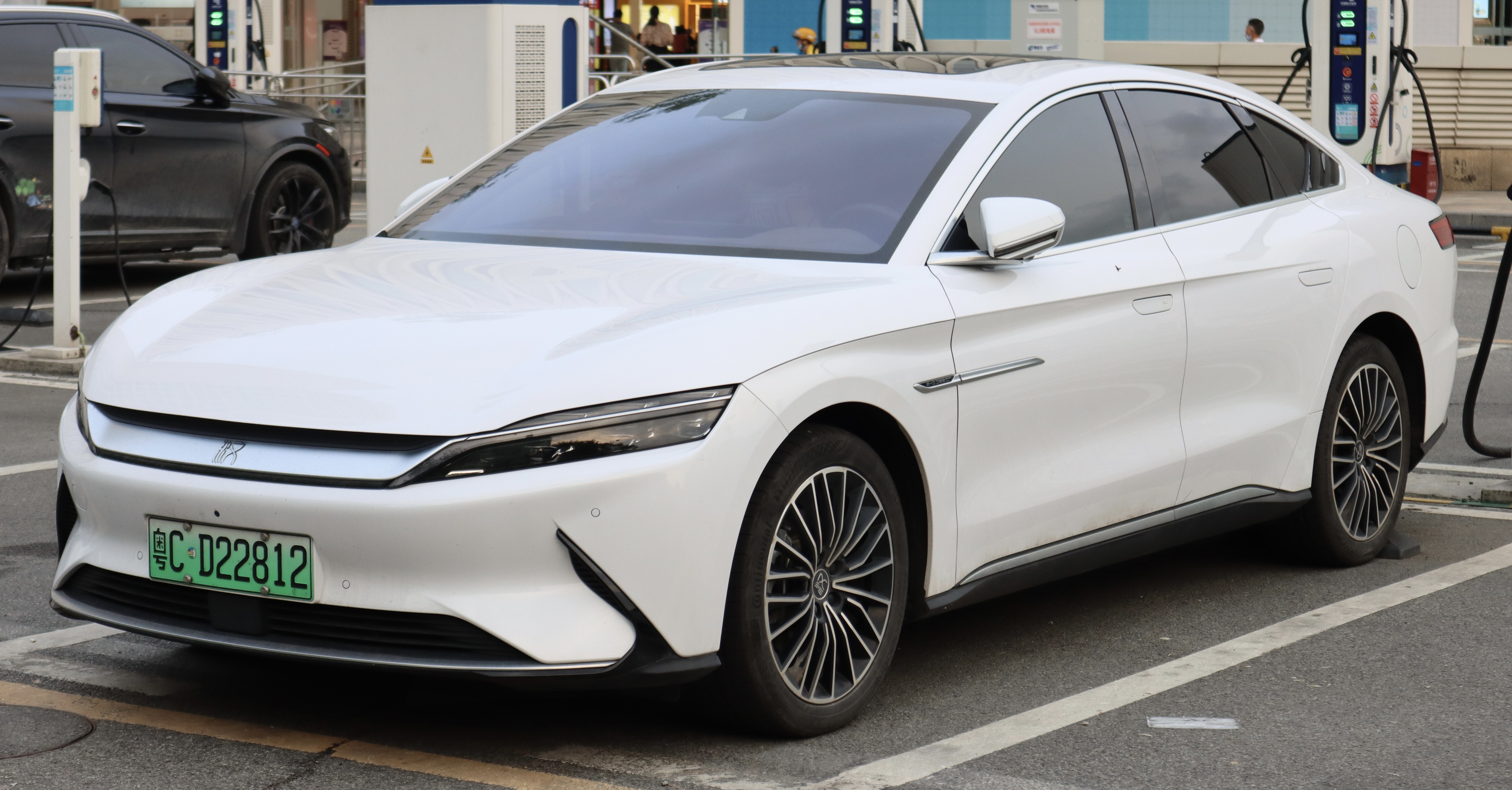
BYD is struggling to maintain its dominant position in the electric-vehicle market as the industry pivots toward software-driven innovation [1].
This shift threatens the company's market share because its historical advantage in battery hardware is no longer the primary driver of consumer demand. As competitors prioritize autonomous driving and integrated software ecosystems, BYD's reliance on vertical integration may hinder its ability to adapt quickly.
Founded by Wang Chuanfu, the company built its empire on a foundation of rigid vertical integration [1]. This strategy allowed BYD to control its supply chain and produce high-quality components internally. However, the industry is now defined by software capabilities, and the company's focus on battery technology is proving insufficient to keep it ahead of rivals [1].
Recent reports have highlighted vulnerabilities in the company's hardware. One of BYD's signature "blade" batteries was reportedly pierced in a test without a subsequent blast [1]. While this specific instance did not lead to a catastrophe, it underscores the broader challenges the company faces in sustaining its technical edge.
"BYD was built around batteries," The Economist said [1]. The publication noted that the same integration that once fueled the company's rapid ascent is now a potential liability in a market that prizes agility, and software sophistication over raw hardware capacity.
Wang Chuanfu created the car empire using the same rigid vertical integration that made them successful [1]. This approach provided stability during the early growth of the EV sector, but the current landscape requires a different set of competencies. The company now finds itself in a position where it must evolve its corporate identity from a battery manufacturer to a software-centric mobility provider [1].
“BYD was built around batteries.”
The struggle facing BYD represents a fundamental transition in the automotive industry. For years, the primary hurdle for EVs was range and battery safety, areas where BYD excelled. Now that battery technology has reached a plateau of utility, the competitive battlefield has shifted to the 'digital cockpit' and autonomous systems. BYD's challenge is whether a company rooted in hardware manufacturing can successfully pivot its culture and engineering focus to compete with software-first competitors.


