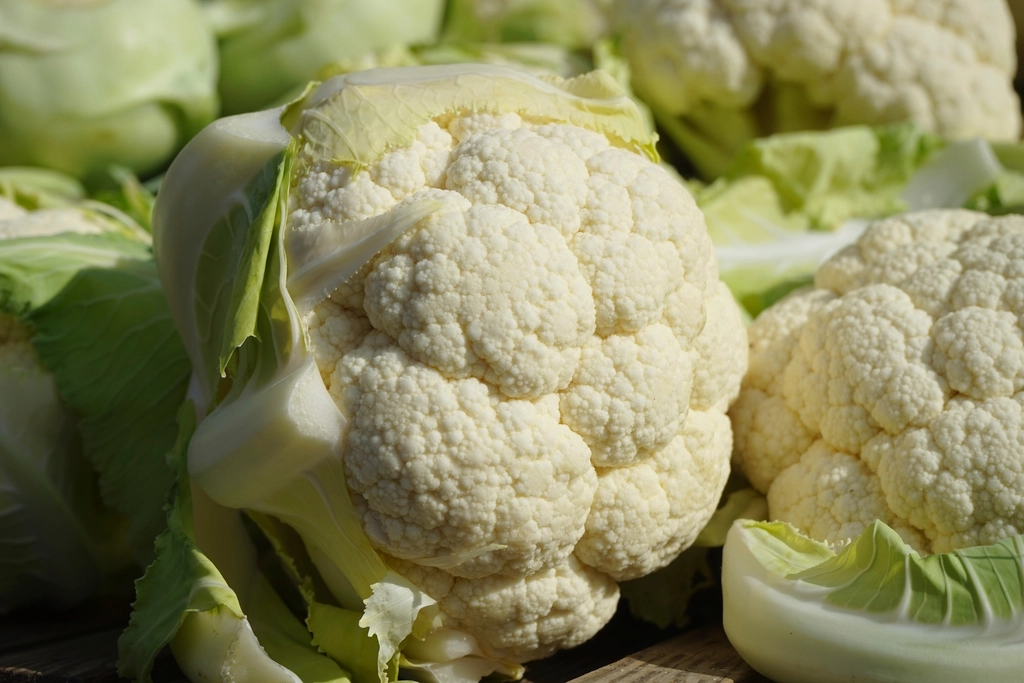
Cabbage is being highlighted as an affordable, fiber-rich vegetable that can help consumers meet daily nutritional goals [1, 2].
Access to high-fiber foods is critical for long-term health, yet many people struggle to afford or find convenient sources of this nutrient. Cabbage offers a low-cost alternative to more expensive produce, making essential nutrition accessible to a broader range of income levels.
Data indicates that more than 90% of Americans do not meet their daily fiber recommendations [2]. This widespread deficit contributes to various health risks, prompting nutritionists to suggest budget-friendly staples that can be easily integrated into a daily diet.
Cabbage is particularly effective due to its nutrient density and low price point. One cup of the vegetable provides approximately five grams of fiber [2]. Because it is often found in household crisper drawers and remains shelf-stable longer than leafy greens, it serves as a reliable dietary addition.
Cost is a primary driver for the promotion of the vegetable. Cabbage typically costs less than 60 cents per pound [2]. This pricing allows individuals to increase their fiber intake without significantly impacting their weekly grocery budgets.
Health advocates in Australia and the U.S. have said the vegetable is a tool for improving public health outcomes [1, 2]. By utilizing common, inexpensive vegetables, consumers can bridge the gap between current dietary habits and recommended health standards.
“More than 90% of Americans fall short of daily fiber goals.”
The emphasis on cabbage reflects a growing public health focus on 'food pharmacy'—using accessible, whole foods to combat chronic nutritional deficiencies. As food inflation impacts consumer choices, identifying high-nutrient, low-cost staples is essential for reducing health disparities linked to socioeconomic status.


