
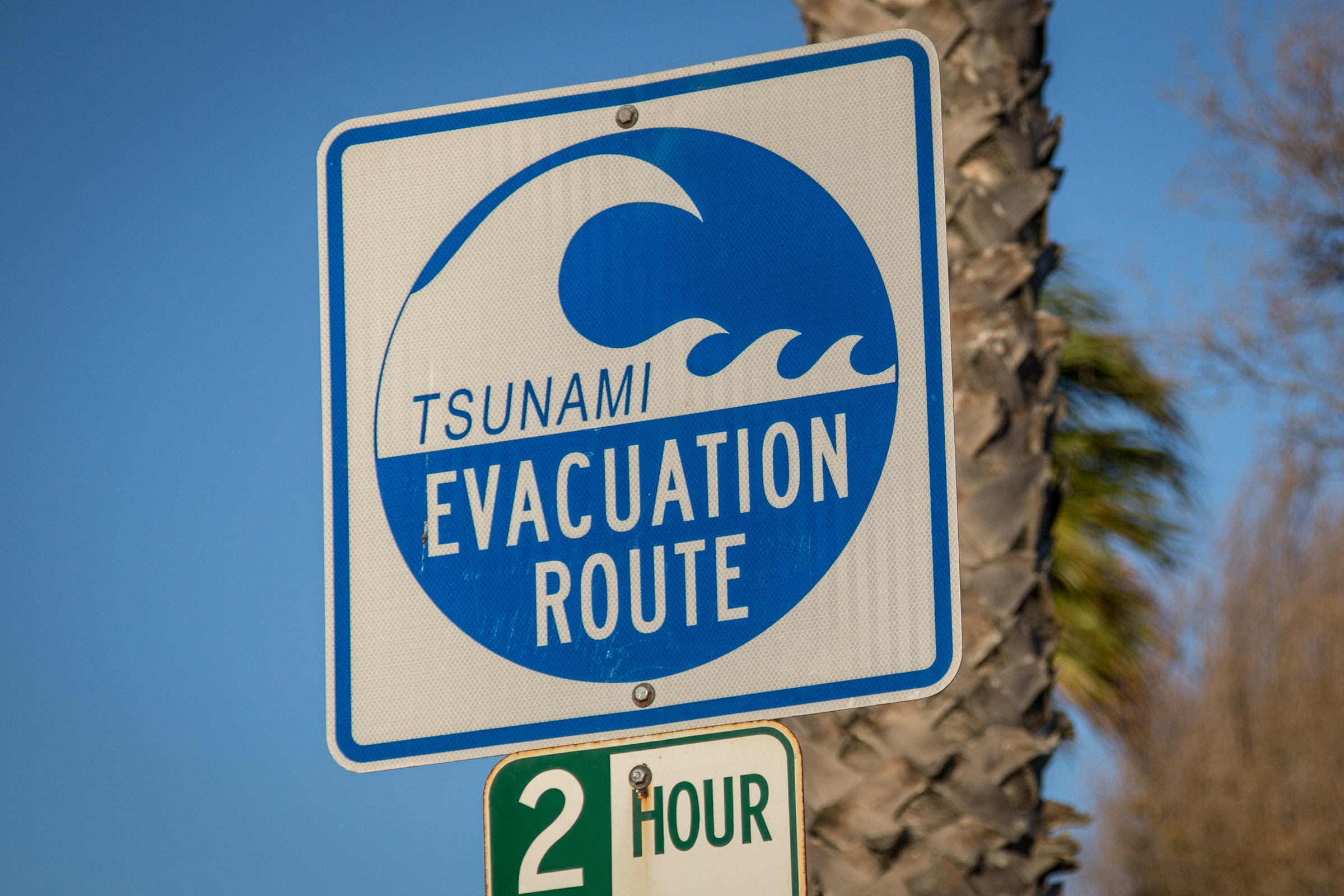
California state and local authorities issued an evacuation order Tuesday near Garden Grove after a chemical storage tank began to overheat [1].
The incident highlights the volatile nature of industrial chemical storage in densely populated areas. A catastrophic failure of such equipment can lead to large-scale displacements and significant public health hazards.
Local emergency officials and the Department of Toxic Substances Control managed the response in Southern California [1]. The situation centered on a storage tank that developed a crack, which officials said relieved some pressure but did not eliminate the danger [1].
Despite the pressure release, authorities determined that the risk of a catastrophic explosion remained present [1]. This assessment prompted the decision to move residents out of the immediate area to ensure public safety while crews worked to stabilize the site.
Emergency responders monitored the temperature of the tank and the surrounding environment to prevent an ignition event [1]. The evacuation perimeter was established based on the potential blast radius, and the toxicity of the chemicals involved [1].
Officials said the cracked state of the tank created an unstable environment. While the crack prevented an immediate burst, the overheating chemicals continued to pose a threat to the surrounding community [1].
Coordination between state agencies and local Garden Grove officials remained the priority to manage the perimeter, and provide guidance to displaced residents [1].
“California state and local authorities issued an evacuation order Tuesday near Garden Grove.”
This incident underscores the ongoing challenge of managing legacy industrial infrastructure located near residential zones. The fact that a pressure-relieving crack was still insufficient to negate an evacuation order suggests a high level of volatility in the stored materials, pointing to the critical need for stringent monitoring of chemical storage integrity to avoid urban catastrophes.


