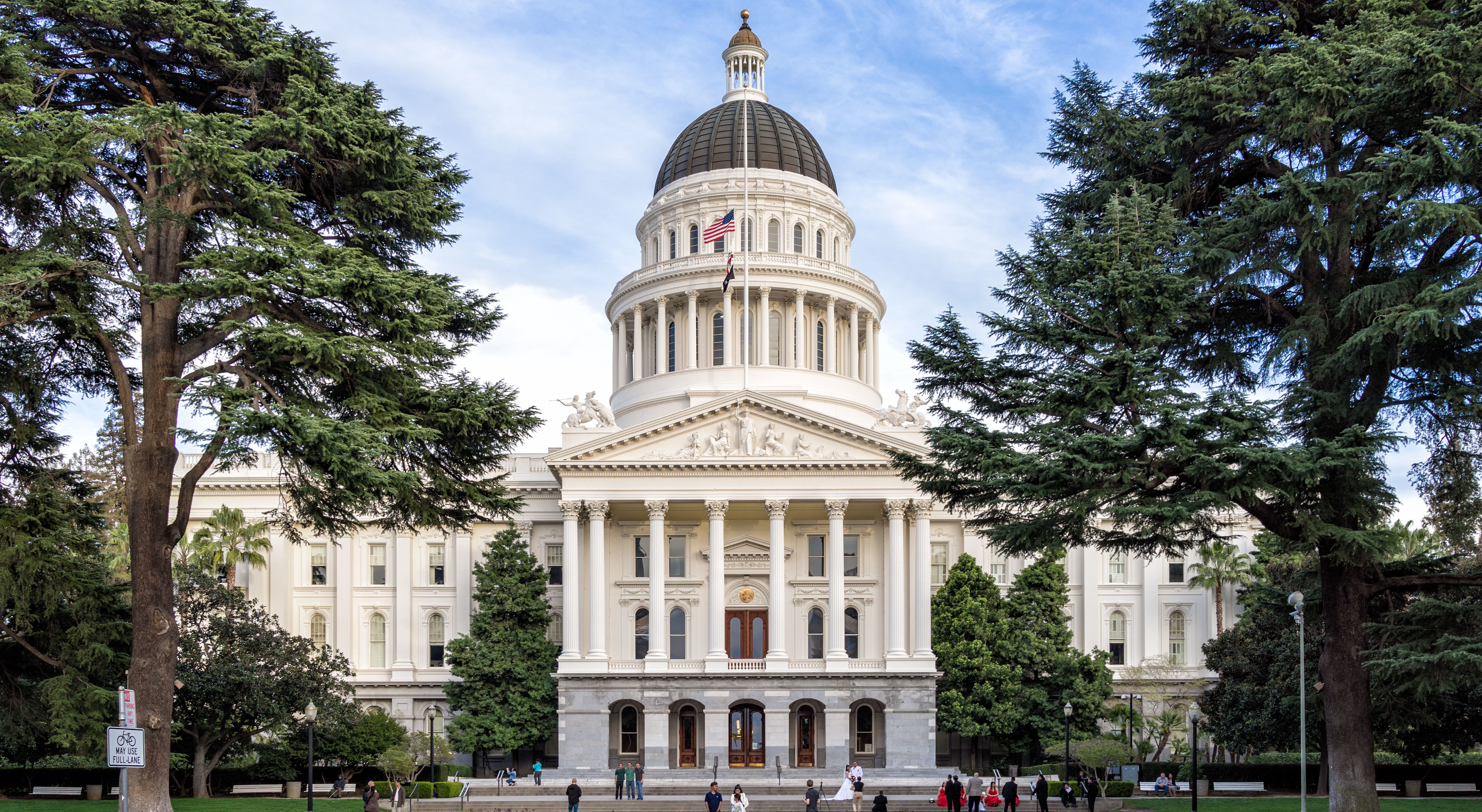
California Democrats redrew the state's congressional map to potentially increase their representation in the U.S. House of Representatives [1].
The move is a strategic effort to counter Republican redistricting efforts in Texas. By altering district boundaries, Democratic leaders aim to secure a larger delegation in Washington to offset GOP gains in other states [1, 2].
Tuesday's primary serves as the first major test of this redistricting strategy. The results will indicate whether the new boundaries effectively translate into more seats for the party [1, 2].
According to reports, the redrawn map could result in a gain of five seats for Democrats [1]. This shift is designed to strengthen the party's influence in the U.S. House, where the balance of power often hinges on a small number of competitive districts.
Redistricting is a frequent point of contention in U.S. politics. In this instance, the California map was specifically adjusted to act as a counterbalance to the GOP's map-drawing in Texas [1, 2].
The outcome of the primary will determine if the party's calculations regarding voter demographics, and district alignment, were accurate. The strategy relies on the ability to maintain current seats while flipping several others through the new boundaries [1].
“California Democrats redrew the state's congressional map to potentially increase their representation”
This redistricting effort highlights the nationalized nature of state-level map drawing. By treating California's boundaries as a tool to offset losses in Texas, Democrats are engaging in a high-stakes geographic arms race to maintain a majority in the U.S. House, making the results of the current primary a bellwether for the party's national strategy.