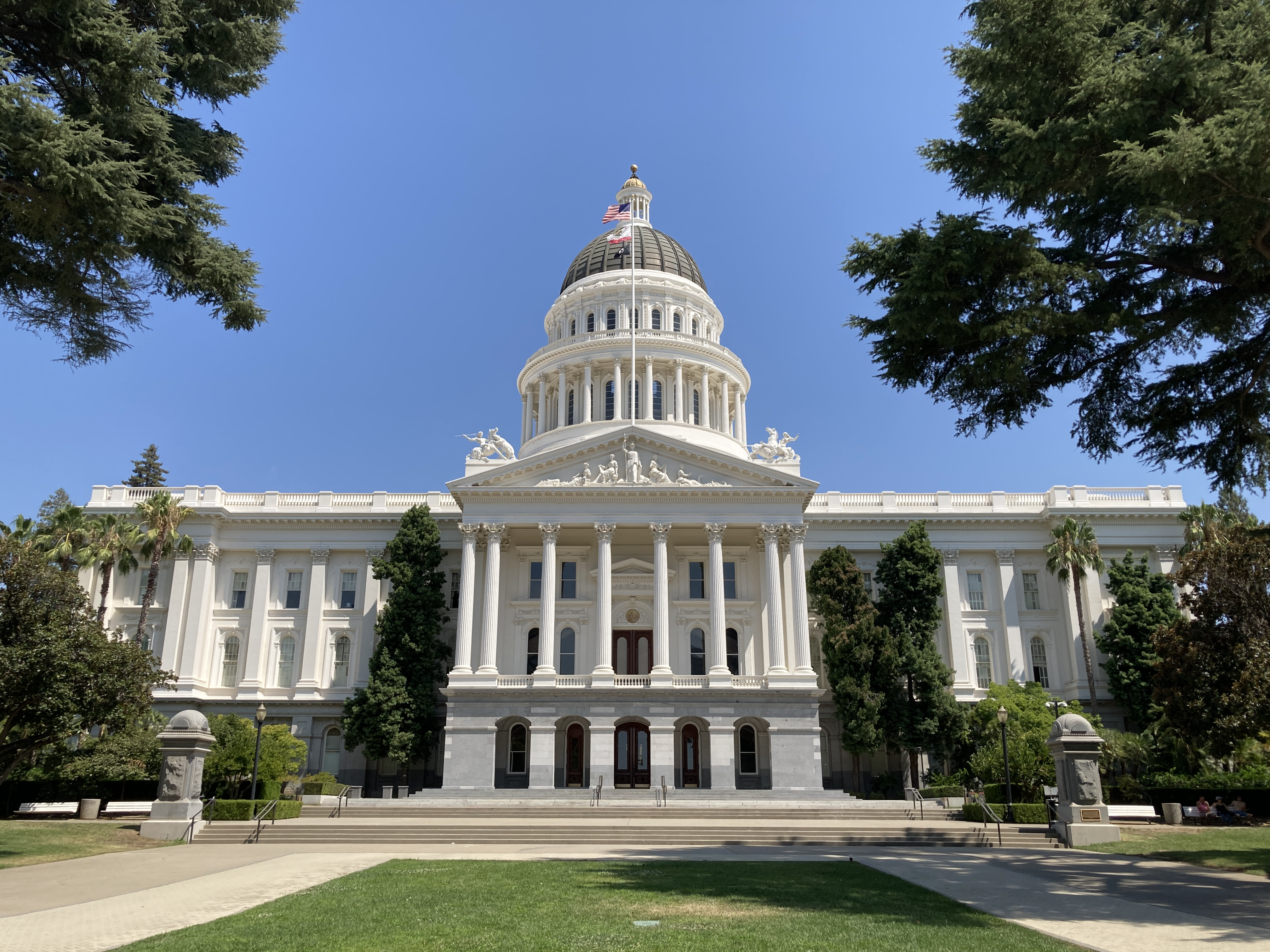
California lawmakers have introduced a bill to establish Eid al-Fitr and Eid al-Adha as official state holidays [1].
The proposal arrives amid ongoing discussions regarding the role of religious recognition in public institutions. By designating these days as holidays, the legislation aims to acknowledge the state's Muslim population while providing a framework for how public entities handle religious observances.
Bill AB 2017 proposes that these two holy days be recognized as state holidays [1]. Under the terms of the legislation, schools would be authorized to choose whether to celebrate these religious observances [1]. This optional approach is designed to balance the recognition of faith-based traditions with the operational requirements of the public education system.
The move has sparked a broader debate over school neutrality in the U.S. Critics and supporters are weighing whether the authorization for schools to celebrate specific religious holidays aligns with the principle of state neutrality in public education, a core tenet of the separation of church and state.
Lawmakers are currently considering the bill as it moves through the legislative process [1]. The outcome of the vote will determine if California becomes one of the first states to formally integrate these specific Islamic holidays into its state-level holiday calendar.
Because the bill grants schools the choice to participate in celebrations, the implementation would vary by district. This flexibility is intended to prevent mandates that might conflict with local community standards or existing school schedules [1].
“California lawmakers have introduced a bill to establish Eid al-Fitr and Eid al-Adha as official state holidays.”
This legislation represents a shift toward pluralistic recognition in California's public sector. By granting schools the option to celebrate rather than requiring it, the bill attempts to navigate the legal tension between acknowledging religious diversity and maintaining the secular nature of public schooling. The final decision will likely serve as a precedent for how other states handle requests for non-Christian holiday recognition.