
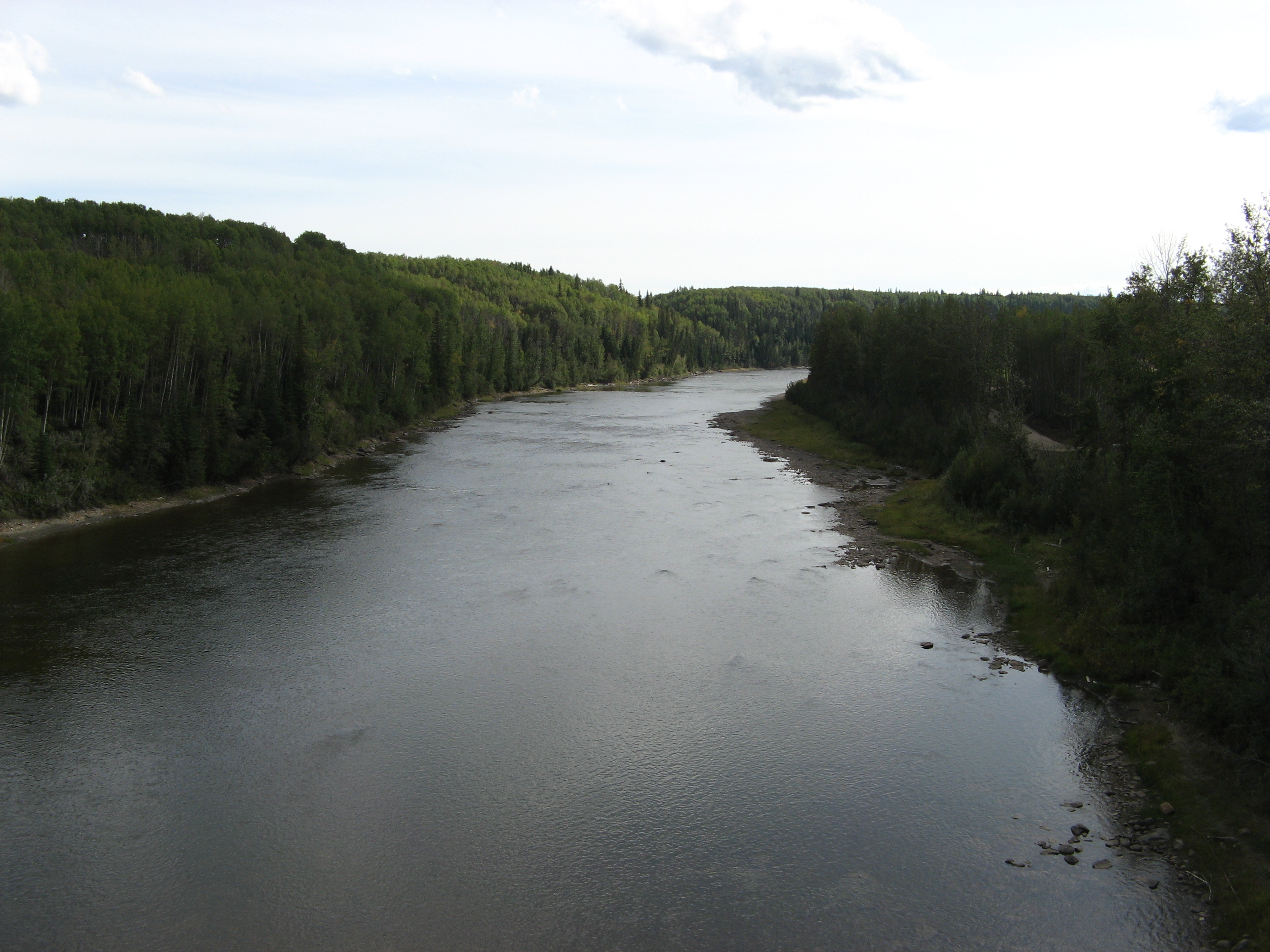
The Canadian federal government designated the Athabasca watershed as a contamination zone after confirming the presence of whirling disease in the McLeod River [1].
The order aims to prevent the spread of an invasive parasite that targets the cartilage and nervous systems of young fish [1]. Because the disease is often fatal to finfish such as trout and salmon, the designation allows officials to implement measures to contain the outbreak [1, 3].
Whirling disease is caused by a microscopic parasite [1]. Once it infects a fish, it attacks the skeletal structure, often leading to permanent deformities or death in juvenile populations [1, 2]. The discovery in the McLeod River, located in central Alberta, marks a significant expansion of the parasite's footprint in the region [1, 2].
To combat the movement of invasive species, officials have previously implemented restrictions on watercraft and paddling activities in affected areas [3]. These measures are designed to stop the parasite from hitchhiking on gear and moving into unaffected waterways, a common vector for the spread of aquatic pathogens [3].
While the current order focuses on the Athabasca watershed, reports indicate the parasite has been detected in other Alberta locations, including Lake Louise in Alberta National Parks [2]. The federal government continues to monitor these watersheds to assess the risk to biodiversity and local fisheries [1, 2].
“The federal government designated the Athabasca watershed as a contamination zone”
The designation of a contamination zone provides the legal framework for the Canadian government to enforce strict biosecurity protocols. By limiting human and equipment movement between watersheds, officials hope to prevent a total collapse of native trout and salmon populations, which are critical to both the ecological balance and the recreational economy of Alberta.


