
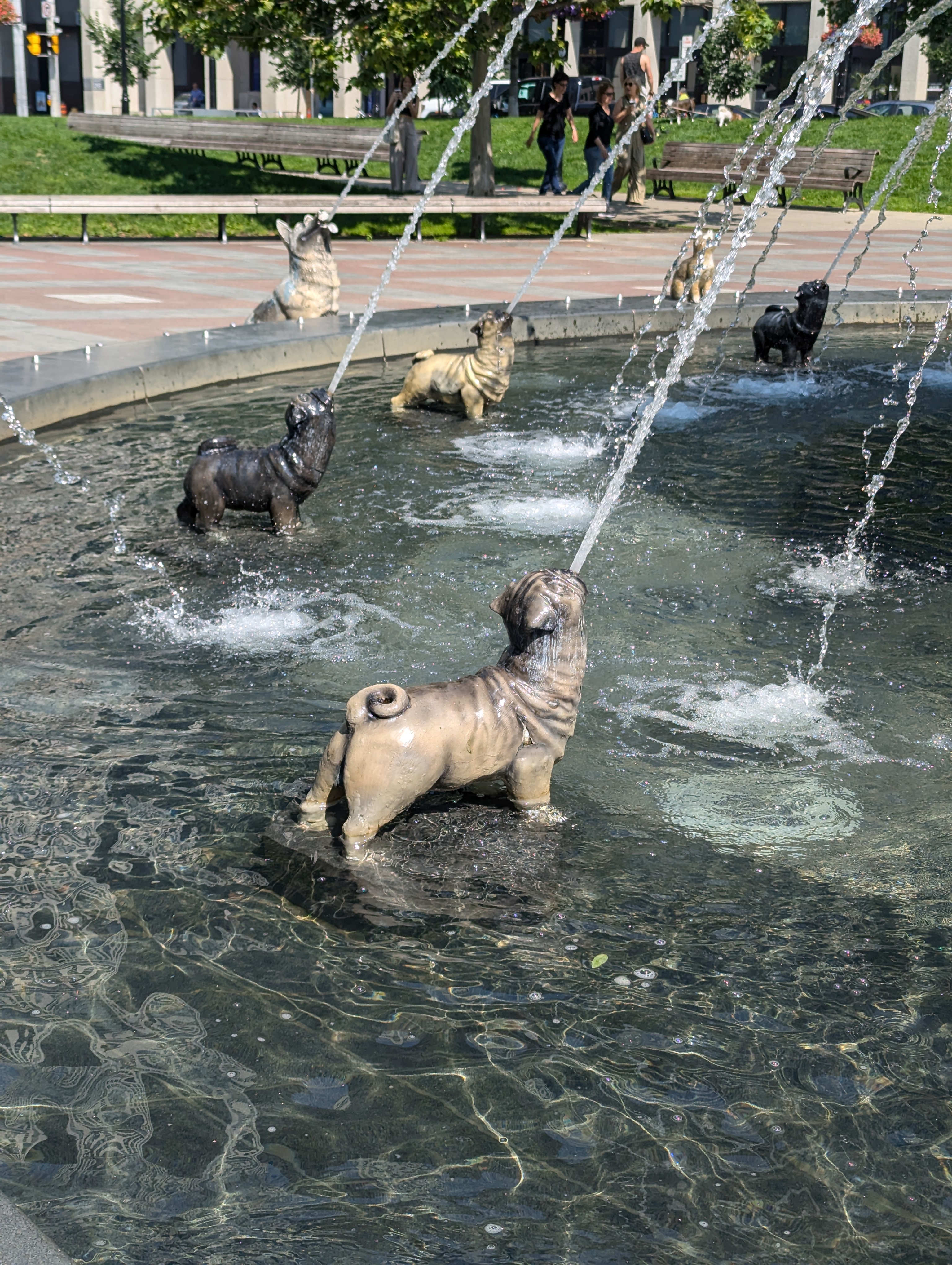
The cost of owning a dog in Canada is rising due to a trend known as "petflation" affecting supplies and care [1].
These increasing expenses impact the financial planning of pet owners across the country as essential services and goods become more expensive. The trend reflects broader economic pressures on households that include pets as family members.
According to estimates provided by the Ontario Veterinary Medical Association, the annual cost of owning a puppy in Canada is approximately $4,600 [1]. For those caring for an adult dog, the estimated annual expense is $3,700 [1].
This price surge is driven by a combination of factors. Rising costs for veterinary care, pet food, toys, and treats are contributing to the overall increase in spending [1]. The term "petflation" describes the collective rise in these specific categories of consumer goods and services tailored for animals.
While the Ontario Veterinary Medical Association provided the specific cost estimates, the impact is felt by dog owners throughout Canada [1]. The disparity between puppy and adult dog costs typically accounts for the higher initial medical needs and training requirements associated with young animals.
Pet owners must now navigate a market where the basic requirements for animal welfare—nutrition and healthcare—are subject to significant price volatility [1]. This shift may influence how Canadians approach pet adoption and the types of care they prioritize for their animals.
“The annual cost of owning a puppy in Canada is approximately $4,600.”
The emergence of 'petflation' indicates that the pet care sector is experiencing inflationary pressures distinct from or compounding general consumer price indices. As the cost of basic veterinary care and nutrition rises, there is a risk that lower-income pet owners may defer necessary medical treatments, potentially impacting animal welfare standards across Canada.


