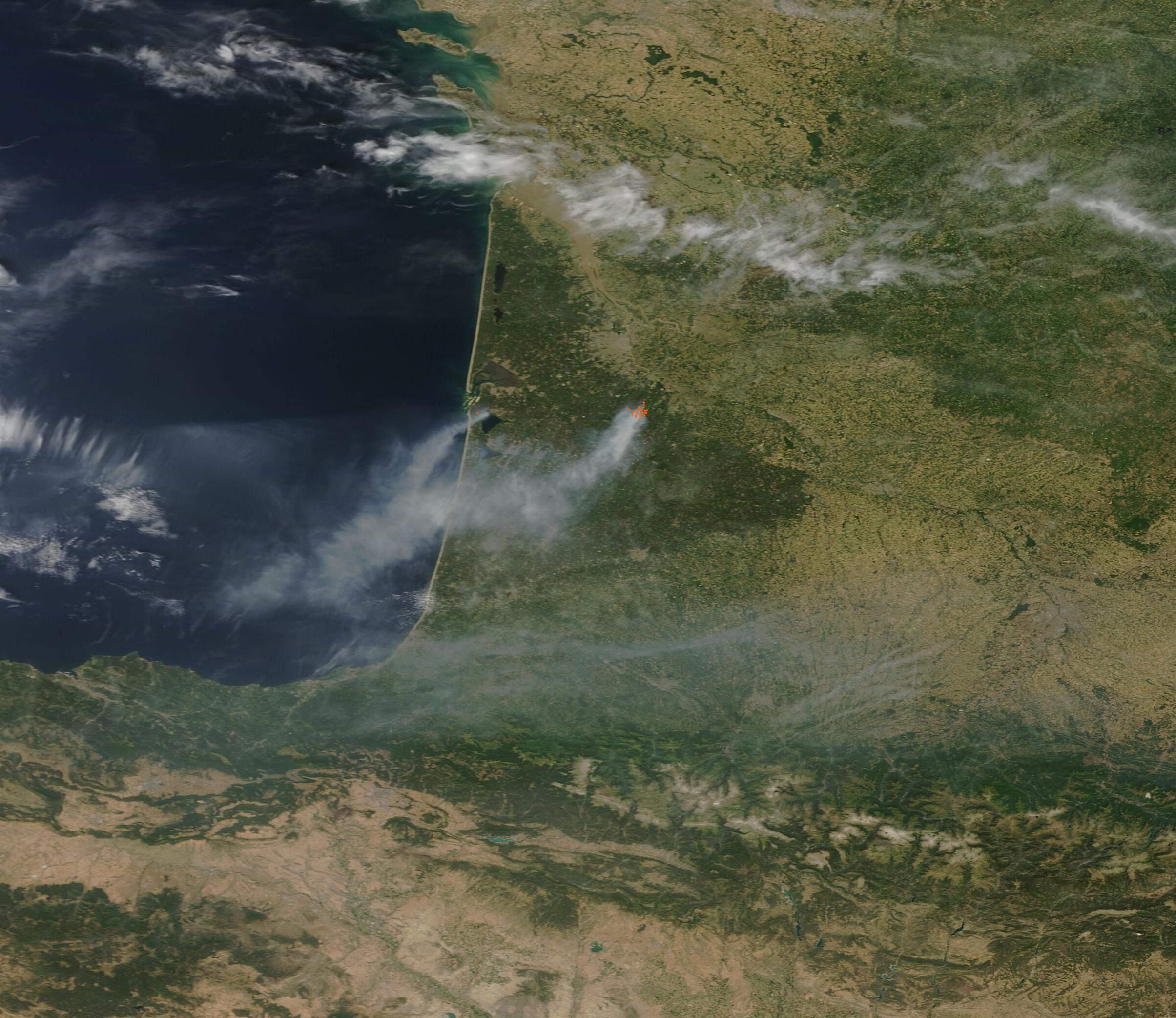
A Canadian resident in southwestern France has returned home after being evacuated twice from the Bordeaux region due to massive wildfires [1].
The return marks a significant shift in a crisis that triggered the largest peacetime evacuations in French history [1]. The scale of the displacement underscores the increasing volatility of wildfire seasons in Europe.
Deborah Jensen, the Canadian resident, said the intensity of the disaster was a wildfire "raging down the hillside" [1]. Her experience reflects the broader instability faced by thousands of residents as flames swept through the region [1].
French authorities have now permitted 84,000 evacuees to return to their properties [2]. The decision follows a period of intense firefighting efforts to contain the blazes that threatened the Bordeaux area [1].
Jensen's double evacuation highlights the unpredictable nature of the fire's movement, forcing residents to flee multiple times as the wind shifted the fire's path [1]. The region of southwestern France has faced escalating risks as dry conditions fueled the rapid spread of the flames [1].
While many residents are now returning, the event serves as a stark reminder of the vulnerability of the region's infrastructure, and residential zones, to extreme weather events [1]. The coordination of the mass evacuation was unprecedented for the country in a non-conflict scenario [1].
“wildfire 'raging down the hillside'”
The scale of the Bordeaux evacuations suggests a shift in the regional risk profile for southwestern France. By triggering the largest peacetime displacement in the nation's history, these wildfires indicate that traditional containment strategies may be insufficient against the increasing intensity of European summer fires.


