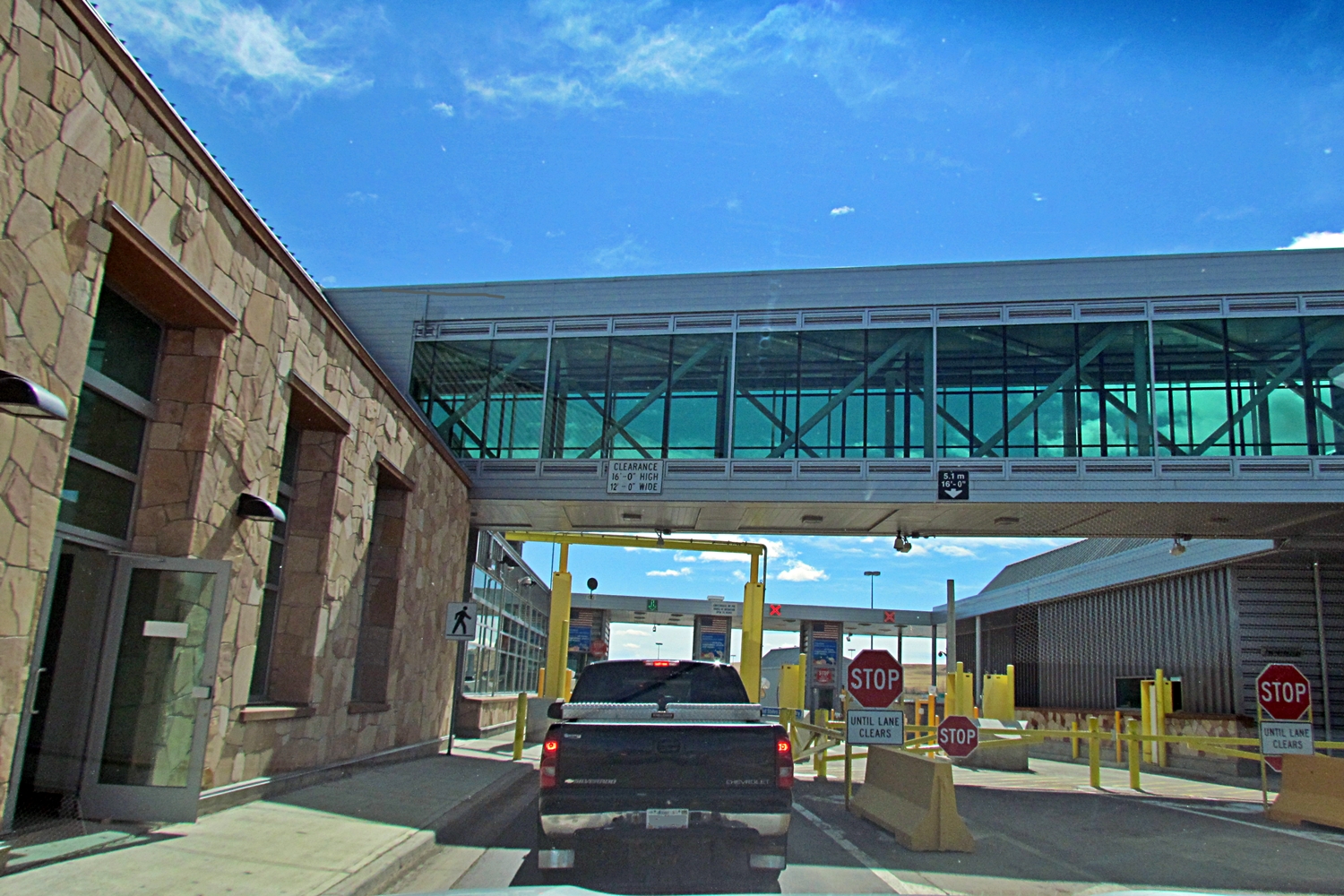
Canadians continue to avoid traveling to the United States as an ongoing trade war impacts tourism and border crossings [1].
This trend represents a significant economic shift for American businesses that rely on Canadian visitors. While financial ties remain strong, the decline in physical travel suggests that political tensions and trade tariffs are influencing consumer behavior at the border.
Data released Monday from Statistics Canada indicates that the avoidance of U.S. travel is costing American businesses [1]. The downturn is attributed to a trade war initiated by President Trump, which has included the imposition of tariffs and hostile rhetoric [3, 4].
Tourism destinations in Washington state and New York have felt the impact of the simmering conflict [2, 5]. In response, some regions have attempted new bids to attract Canadian tourists to offset the losses caused by the escalating trade rhetoric [5].
Despite the decline in tourism, Canadian financial engagement with the U.S. has not followed the same pattern. At the height of the trade war, Canadians invested a record $50 million in U.S. securities [6]. This creates a contradiction between the personal choices of travelers and the strategic moves of investors.
The shift in travel patterns reflects a broader tension in the North American relationship. While investors seek returns in U.S. markets, individual travelers are reacting to the political climate, a divide that highlights the complexity of the current trade dispute [1, 6].
“Canadians are avoiding the U.S., and it’s costing American businesses.”
The divergence between tourism and investment suggests that while Canadians may be politically motivated to boycott U.S. services and travel, they remain economically tethered to U.S. financial markets. This indicates that trade wars may successfully damage local service industries and tourism, but they are less effective at decoupling deep-seated institutional investment and capital flows.


