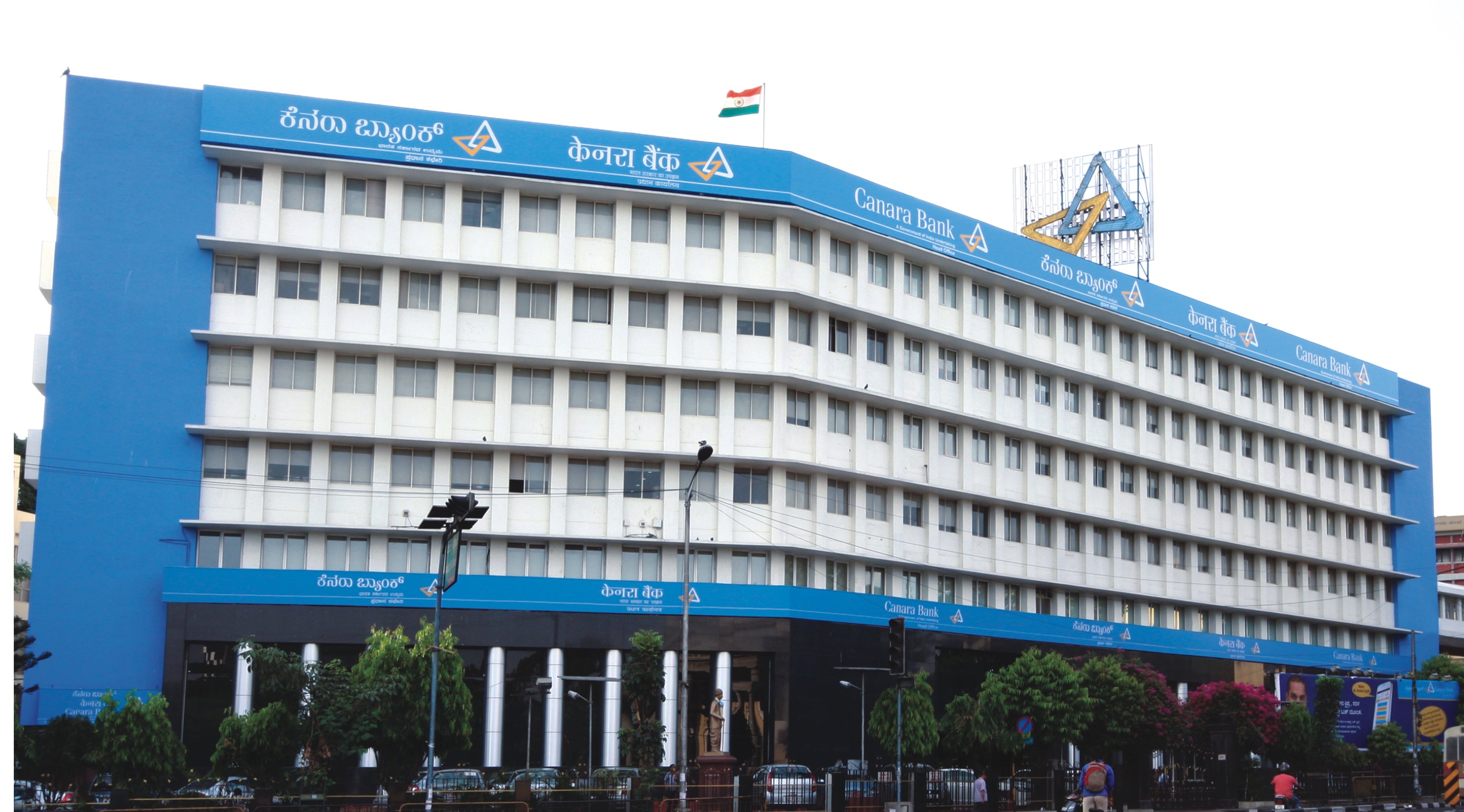
Canara Bank reported a consolidated net profit of Rs 4,506 crore [1] for the January–March quarter of FY2026.
The results highlight a tension between the bank's core lending growth and volatile non-interest income streams. While the bank managed to improve its balance sheet quality, the dip in overall profitability suggests a vulnerability to treasury market fluctuations.
The bank saw a 10% decline in net profit year-on-year [2]. This represents a further slide from the previous quarter, with a sequential decline of 13% [3].
Despite the drop in profit, the bank's core operations showed growth. Net interest income (NII) for the quarter rose to Rs 9,808 crore [4]. This represents a four percent increase compared to the same period last year [5].
Profitability was primarily hindered by lower treasury income. However, the bank reported an improvement in asset quality, which was supported by lower provisions [6]. This reduction in provisions helped offset some of the losses seen in the treasury segment.
Financial analysts said that the discrepancy in year-on-year figures—with some reports citing a nine percent profit drop and 3.88% NII growth—reflects slight variations in reporting metrics, though the primary data points to the 10% and four percent marks respectively.
“Consolidated net profit for Q4 FY26 reached Rs 4,506 crore.”
The divergence between rising net interest income and falling net profit indicates that Canara Bank is successfully growing its primary lending business but struggling with the volatility of its investment portfolio. The improvement in asset quality and lower provisioning suggests a healthier loan book, which may provide a more stable foundation for future quarters if treasury income stabilizes.
'%2F%3E%0A%20%20%20%20%3Crect%20width%3D'1600'%20height%3D'900'%20fill%3D'url(%23v)'%2F%3E%0A%20%20%20%20%3Cg%20opacity%3D'0.08'%20fill%3D'%23ffffff'%3E%0A%20%20%20%20%20%20%3Ccircle%20cx%3D'1420'%20cy%3D'180'%20r%3D'220'%2F%3E%0A%20%20%20%20%20%20%3Ccircle%20cx%3D'1500'%20cy%3D'760'%20r%3D'120'%2F%3E%0A%20%20%20%20%3C%2Fg%3E%0A%20%20%20%20%3Cline%20x1%3D'80'%20y1%3D'172'%20x2%3D'220'%20y2%3D'172'%20stroke%3D'%23ffffff'%20stroke-width%3D'3'%20stroke-opacity%3D'0.6'%2F%3E%0A%20%20%20%20%3Ctext%20x%3D'80'%20y%3D'140'%20font-family%3D'Inter%2C%20-apple-system%2C%20Helvetica%2C%20sans-serif'%20font-weight%3D'700'%20font-size%3D'28'%20fill%3D'%23ffffff'%20letter-spacing%3D'6'%3EHANNA%20%C2%B7%20NEWS%3C%2Ftext%3E%0A%20%20%20%20%3Ctext%20x%3D'80'%20y%3D'230'%20font-family%3D'Inter%2C%20-apple-system%2C%20Helvetica%2C%20sans-serif'%20font-weight%3D'600'%20font-size%3D'40'%20fill%3D'%23ffffffb3'%20letter-spacing%3D'4'%3EBUSINESS%3C%2Ftext%3E%0A%20%20%20%20%3Ctext%20x%3D'80'%20y%3D'622'%20font-family%3D'Playfair%20Display%2C%20Georgia%2C%20serif'%20font-weight%3D'800'%20font-size%3D'86'%20fill%3D'%23ffffff'%20letter-spacing%3D'-1'%3EChild%20killed%20after%20tree%3C%2Ftext%3E%3Ctext%20x%3D'80'%20y%3D'721'%20font-family%3D'Playfair%20Display%2C%20Georgia%2C%20serif'%20font-weight%3D'800'%20font-size%3D'86'%20fill%3D'%23ffffff'%20letter-spacing%3D'-1'%3Efalls%20on%20school%20bus%20in%3C%2Ftext%3E%3Ctext%20x%3D'80'%20y%3D'820'%20font-family%3D'Playfair%20Display%2C%20Georgia%2C%20serif'%20font-weight%3D'800'%20font-size%3D'86'%20fill%3D'%23ffffff'%20letter-spacing%3D'-1'%3EMumbai%3C%2Ftext%3E%0A%20%20%20%20%3Ctext%20x%3D'80'%20y%3D'870'%20font-family%3D'Inter%2C%20-apple-system%2C%20Helvetica%2C%20sans-serif'%20font-weight%3D'500'%20font-size%3D'22'%20fill%3D'%23ffffff66'%20letter-spacing%3D'2'%3Enews.hanna-ai.com%3C%2Ftext%3E%0A%20%20%3C%2Fsvg%3E)