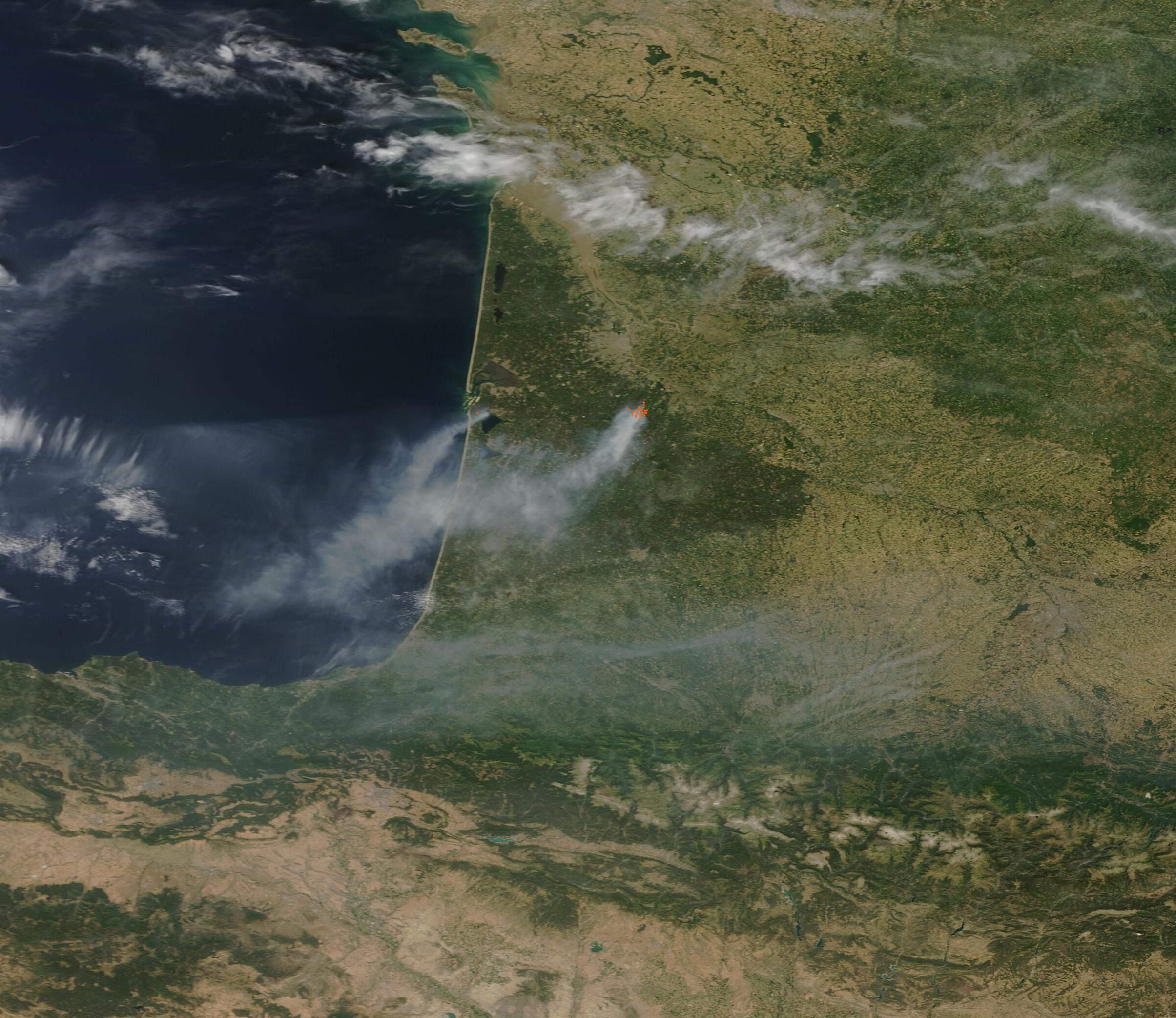
The Préfecture de Nouvelle-Aquitaine ordered a full evacuation of the Cap-Ferret peninsula during the night of Thursday, July 23, to Friday, July 24 [1].
The emergency measure comes as fast-spreading forest fires threaten dozens of villages and homes in the Gironde department of southwestern France. Because the peninsula is geographically isolated, the scale of the evacuation represents a critical logistical challenge for regional authorities.
Firefighters are battling blazes that have ravaged a significant area of land. Reports on the total damage vary, with estimates ranging from 4,800 hectares [6] to more than 10,000 hectares [7]. Other reports place the burned area at 8,700 hectares [5].
The number of people displaced by the fires also differs across reports. Franceinfo and MSN said approximately 20,000 people were evacuated [2]. However, RTL said approximately 40,000 people [4], while other sources indicated more than 43,000 people were displaced [3].
Property damage is currently being assessed. While some reports state that several houses have burned [8], RTL said 80 houses were destroyed [8].
French President Emmanuel Macron has called for reinforcements from the European Union to assist in containing the fires. The mobilization includes both road and sea evacuation routes to ensure the safety of those fleeing the peninsula [1].
“The Préfecture de Nouvelle-Aquitaine ordered a full evacuation of the Cap-Ferret peninsula.”
The evacuation of Cap-Ferret highlights the increasing vulnerability of southwestern France to extreme summer weather. The reliance on EU reinforcements and the disparity in early casualty and damage reports suggest a crisis that has rapidly overwhelmed local infrastructure, emphasizing the need for coordinated international wildfire response mechanisms.


