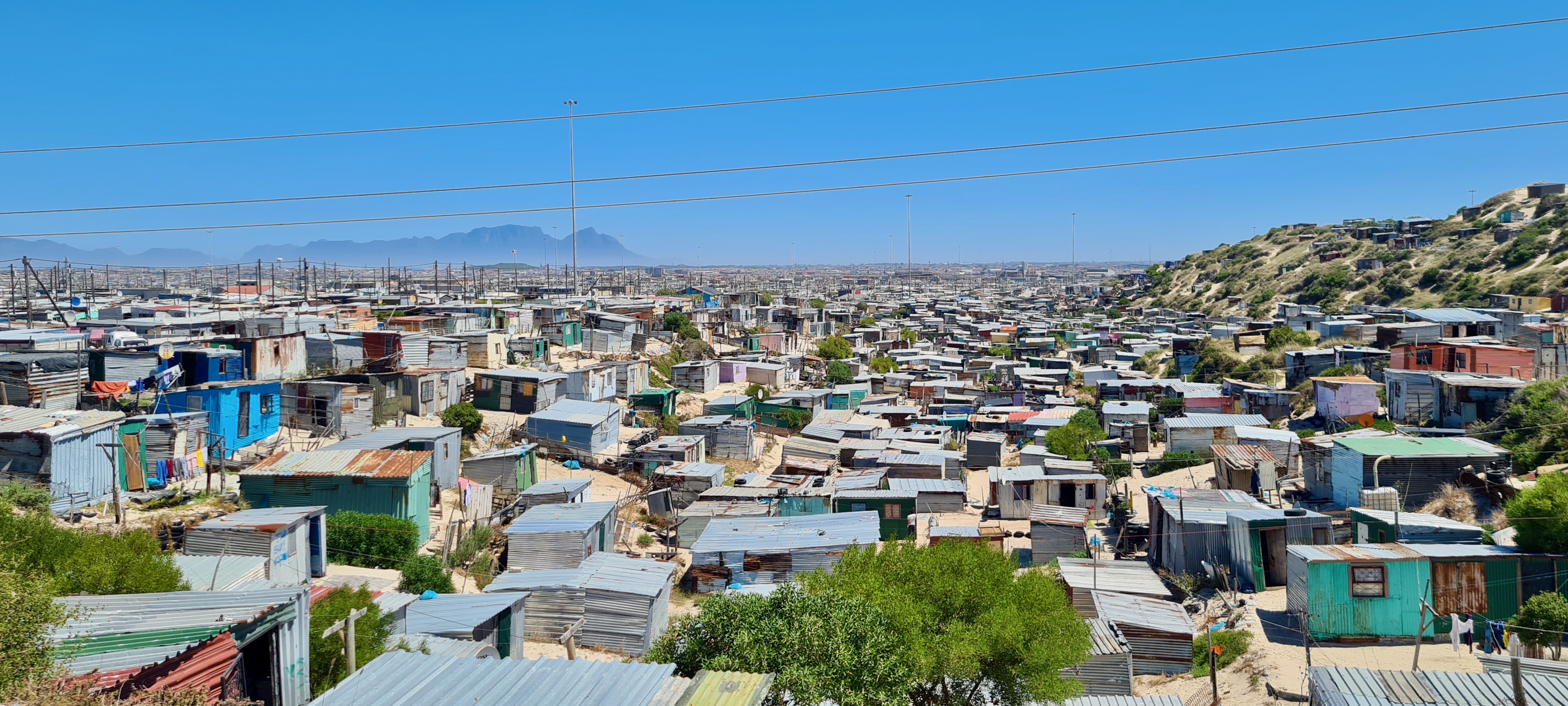
South Africa’s Public Protector found the City of Cape Town failed to provide constitutionally required basic services to residents of Khayelitsha and Langa Flats [1].
The ruling highlights a systemic failure to uphold the fundamental rights of marginalized citizens. By neglecting essential infrastructure, the municipality has left thousands of residents in precarious living conditions, sparking a legal mandate for immediate government intervention [2].
Public Protector Adv. Kholeka Gcaleka released the report on Tuesday [1]. The investigation concluded that the City of Cape Town failed to deliver critical services, including sanitation, adequate housing, fire safety, street lighting, and security [1, 2]. These failures specifically affected the Khayelitsha informal settlements and the Langa Flats community [2, 3].
The report said that years of service-delivery failures constituted a violation of the residents' constitutional rights [2, 4]. These deficiencies prompted the initial complaints that led to the Public Protector's investigation into the municipality's conduct [4].
As a result of these findings, Gcaleka has ordered the city to implement remedial action plans [1]. These plans are intended to address the lack of infrastructure and ensure that the affected communities receive the services guaranteed to them under South African law [1, 2].
The findings emphasize a gap between the city's administrative obligations and the reality of life in informal settlements. The order for remedial action places the municipality under direct scrutiny to prove it can provide safe and sanitary living conditions for all its residents [1, 3].
“The City of Cape Town failed to provide constitutionally required basic services”
This ruling underscores the ongoing tension between urban development and the constitutional mandate to provide basic dignity to the poorest citizens in South Africa. By formally documenting the failure of the City of Cape Town to provide fire safety, sanitation, and security, the Public Protector has created a legal benchmark that residents can use to hold the municipality accountable in court if the remedial action plans are not executed.


