Capri Holdings is targeting $3.525 billion in revenue [3] and earnings of $2.15 per share [3] for the 2027 fiscal year.
This financial target comes as the company attempts to pivot its luxury strategy after a period of instability. By focusing on higher price points and expanding specific product categories, the group aims to stabilize its portfolio of high-end brands.
John D. Idol, Chairman and CEO of Capri Holdings, said the company narrowed its fourth-quarter loss on a year-ago basis [1]. He said that earnings beat Wall Street estimates by $0.36 per share [1]. According to Idol, "Revenue and earnings results significantly exceeded our original expectations" [1].
To sustain this momentum, Idol said Capri will "take more" price increases in the months ahead [1]. The company is also targeting a gross margin expansion of 200 basis points [3]. These adjustments are designed to move the company closer to a consistent breakeven point, and eventual profitability.
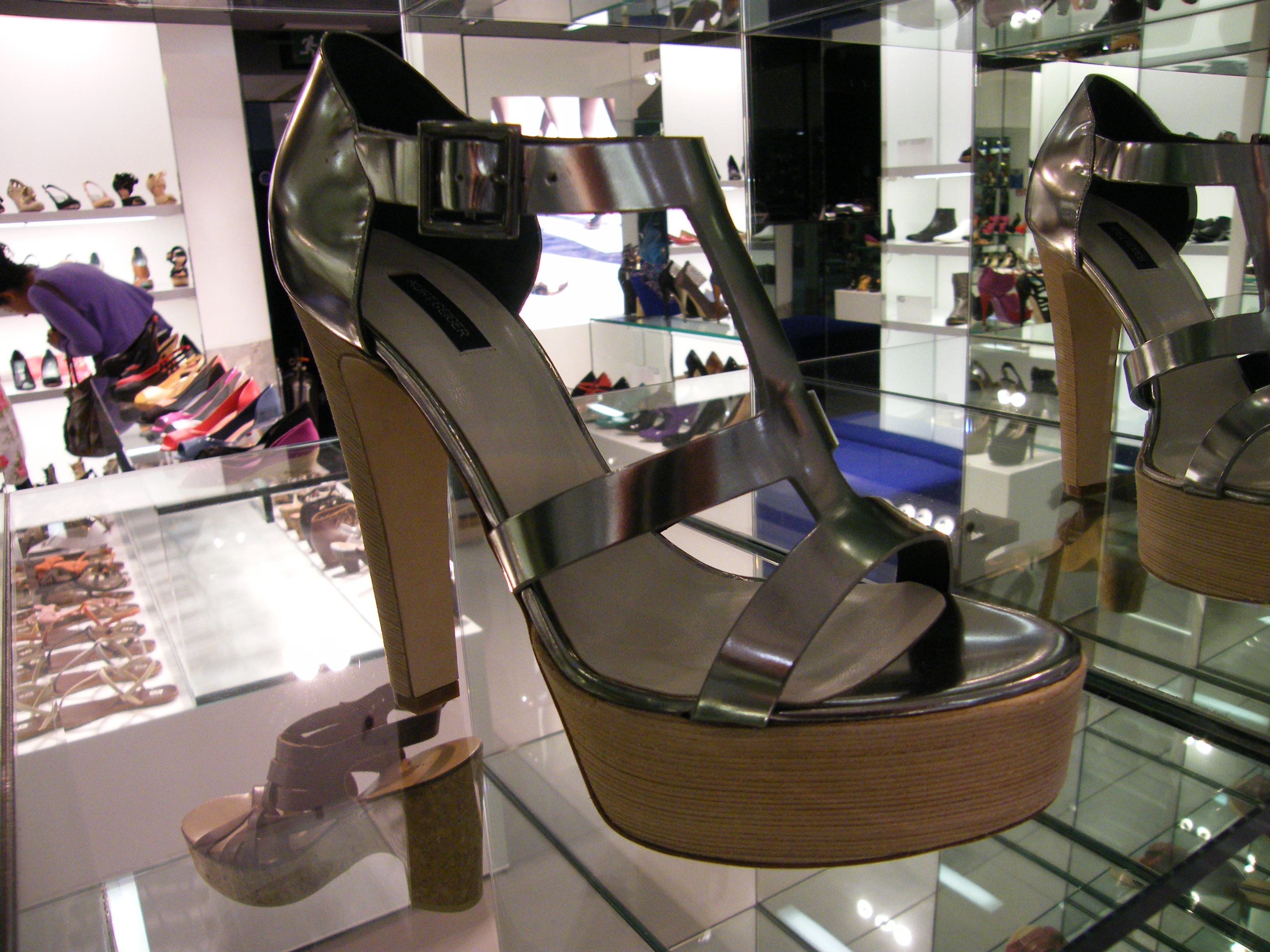
Despite the overall growth projections, the company faces specific challenges within its brand portfolio. Idol said that footwear is currently the biggest issue for Michael Kors [2]. He identified a gap in the market for the brand's shoe line—specifically a need for more versatility.
"More casual shoes are the key to growth at Michael Kors," Idol said [2]. The company plans to leverage the strengths of its other luxury labels, including Versace, and Jimmy Choo, while correcting the footwear strategy at Kors to capture a wider consumer base.
Capri Holdings, headquartered in New York, continues to navigate a volatile luxury market [1]. The company's strategy relies on the ability of consumers to absorb higher costs while the brand shifts its product mix toward casual luxury.
“"Revenue and earnings results significantly exceeded our original expectations,"”
Capri Holdings is attempting a classic luxury recovery play by simultaneously raising prices to increase margins and expanding product accessibility via casual footwear. The reliance on price hikes suggests the company is betting on brand equity and the resilience of affluent consumers to offset previous losses. If the shift toward casual shoes fails to gain traction at Michael Kors, the company may struggle to hit its ambitious FY2027 revenue targets despite the price increases.