
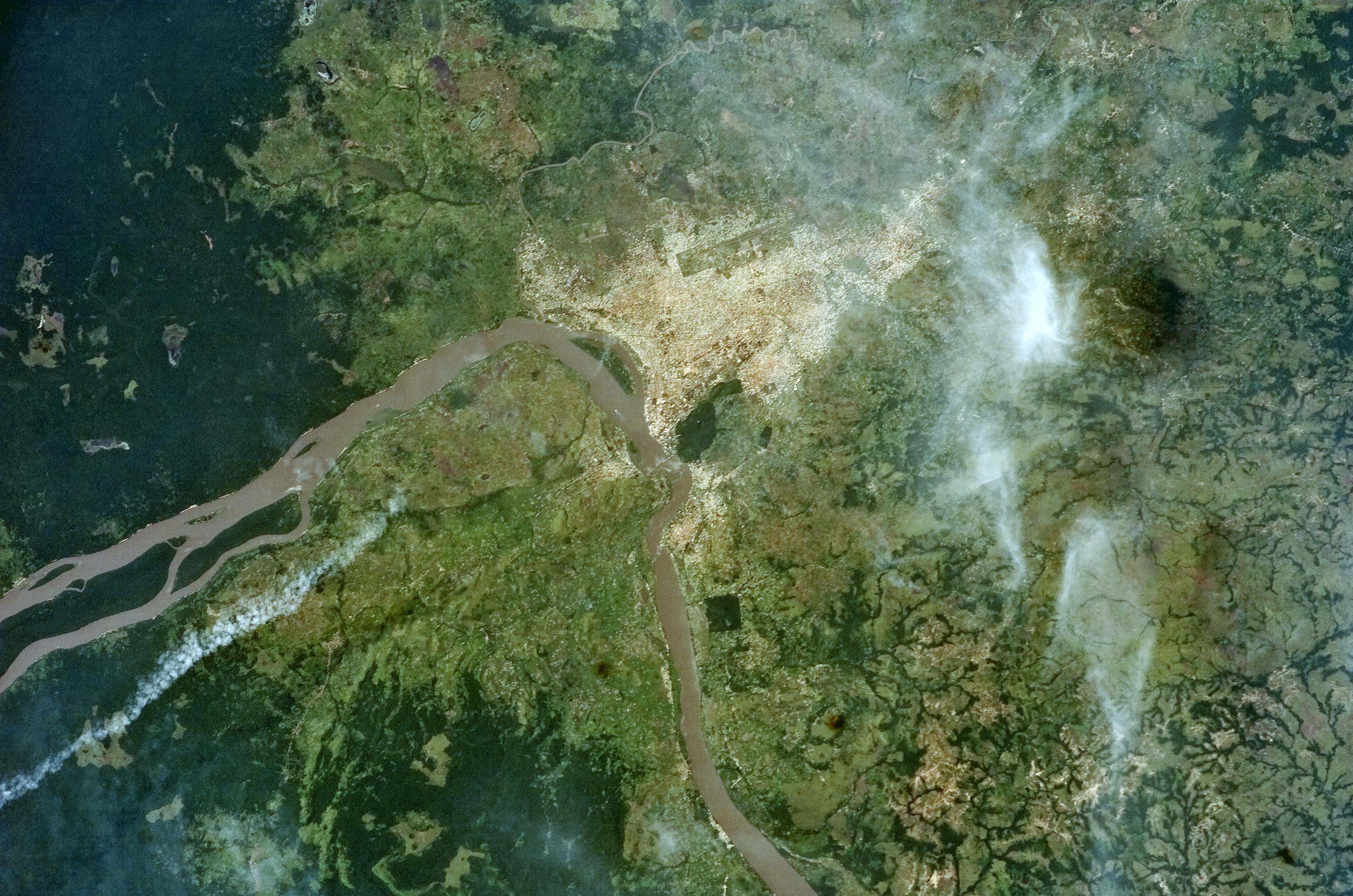
The Central African Republic has agreed to accept migrants deported by the United States to third countries [1].
This agreement represents a strategic shift in U.S. immigration enforcement. By striking deals with African states, the U.S. government aims to accelerate the removal of migrants who cannot be returned to their home nations.
Reports surfaced June 7, 2026, indicating that the government in Bangui reached this arrangement with U.S. officials [1]. The deal focuses on the acceptance of individuals who are not nationals of the Central African Republic but are being deported from the U.S. to a third-party state [2].
Two sources said the agreement is part of a broader effort to resolve longstanding deportation bottlenecks [1]. These bottlenecks often occur when a migrant's home country refuses to accept them, or when the U.S. lacks the diplomatic leverage to force a repatriation.
While the specific financial or diplomatic terms of the deal were not detailed, the move aligns with a pattern of seeking international partners to manage migration flows. The U.S. government has sought various agreements across the continent to streamline its removal operations [1].
Officials in Bangui have not yet released a public statement detailing the operational logistics of the arrivals. However, the agreement underscores the role of the Central African Republic as a partner in U.S. border and immigration policy [2].
“The Central African Republic has agreed to accept migrants deported by the United States to third countries.”
This agreement signals a growing U.S. strategy of utilizing 'third-country' removals to bypass the diplomatic deadlocks associated with repatriation. By partnering with nations like the Central African Republic, the U.S. can clear its detention centers more quickly, though such deals often raise questions regarding the long-term stability and human rights protections for the migrants relocated to these regions.


'%2F%3E%0A%20%20%20%20%3Crect%20width%3D'1600'%20height%3D'900'%20fill%3D'url(%23v)'%2F%3E%0A%20%20%20%20%3Cg%20opacity%3D'0.08'%20fill%3D'%23ffffff'%3E%0A%20%20%20%20%20%20%3Ccircle%20cx%3D'1420'%20cy%3D'180'%20r%3D'220'%2F%3E%0A%20%20%20%20%20%20%3Ccircle%20cx%3D'1500'%20cy%3D'760'%20r%3D'120'%2F%3E%0A%20%20%20%20%3C%2Fg%3E%0A%20%20%20%20%3Cline%20x1%3D'80'%20y1%3D'172'%20x2%3D'220'%20y2%3D'172'%20stroke%3D'%23ffffff'%20stroke-width%3D'3'%20stroke-opacity%3D'0.6'%2F%3E%0A%20%20%20%20%3Ctext%20x%3D'80'%20y%3D'140'%20font-family%3D'Inter%2C%20-apple-system%2C%20Helvetica%2C%20sans-serif'%20font-weight%3D'700'%20font-size%3D'28'%20fill%3D'%23ffffff'%20letter-spacing%3D'6'%3EHANNA%20%C2%B7%20NEWS%3C%2Ftext%3E%0A%20%20%20%20%3Ctext%20x%3D'80'%20y%3D'230'%20font-family%3D'Inter%2C%20-apple-system%2C%20Helvetica%2C%20sans-serif'%20font-weight%3D'600'%20font-size%3D'40'%20fill%3D'%23ffffffb3'%20letter-spacing%3D'4'%3EWORLD%3C%2Ftext%3E%0A%20%20%20%20%3Ctext%20x%3D'80'%20y%3D'694'%20font-family%3D'Playfair%20Display%2C%20Georgia%2C%20serif'%20font-weight%3D'800'%20font-size%3D'110'%20fill%3D'%23ffffff'%20letter-spacing%3D'-1'%3EThree%20Colorado%20Athletes%20Join%3C%2Ftext%3E%3Ctext%20x%3D'80'%20y%3D'820'%20font-family%3D'Playfair%20Display%2C%20Georgia%2C%20serif'%20font-weight%3D'800'%20font-size%3D'110'%20fill%3D'%23ffffff'%20letter-spacing%3D'-1'%3EUS%20Ninja%20Warrior%20Season%2018%3C%2Ftext%3E%0A%20%20%20%20%3Ctext%20x%3D'80'%20y%3D'870'%20font-family%3D'Inter%2C%20-apple-system%2C%20Helvetica%2C%20sans-serif'%20font-weight%3D'500'%20font-size%3D'22'%20fill%3D'%23ffffff66'%20letter-spacing%3D'2'%3Enews.hanna-ai.com%3C%2Ftext%3E%0A%20%20%3C%2Fsvg%3E)
