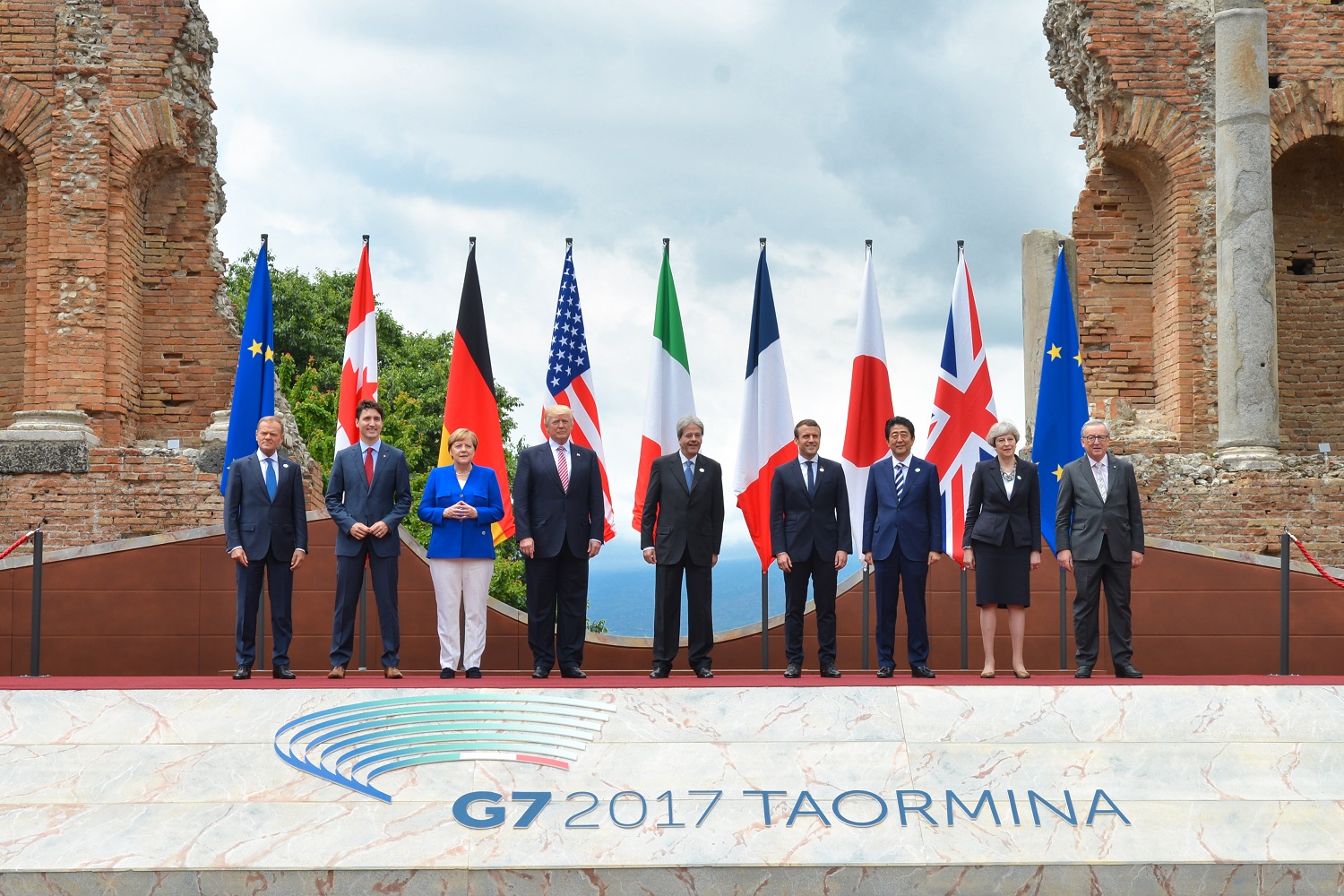
Prime Minister Mark Carney and U.S. President Donald Trump walked together and exchanged words on June 16, 2026 [1], ahead of G7 meetings.
The interaction occurs during a high-stakes summit where leaders are refocusing on the conflict in Ukraine and discussing Russian oil sanctions. While the two leaders were seen interacting, the absence of a scheduled formal meeting suggests a reliance on informal diplomacy to manage the Canada-U.S. relationship.
The encounter took place in Evian-les-Bains, France [2]. The two leaders were observed walking together before the official summit sessions began [1]. This public display of rapport comes despite reports that no formal bilateral meeting between Carney and Trump was on the official agenda as the Prime Minister arrived for the summit [3].
Reports from Radio-Canada indicated that a planned bilateral discussion may not have been established yet [4]. However, the visual evidence of the leaders walking and talking suggests that a level of direct communication is occurring outside of the formal scheduling framework. This informal exchange allows leaders to address pressing issues, such as trade and security, without the constraints of a structured diplomatic agenda.
The G7 summit serves as a critical venue for coordinating international responses to global crises. The visibility of the Canadian and American leaders together signals a functional working relationship, even if the official schedules do not reflect a structured series of one-on-one meetings [3].
“Carney and Trump walked together and exchanged words on June 16, 2026”
The reliance on informal 'walk-and-talk' interactions over scheduled bilateral meetings often indicates a strategy of flexible diplomacy. By engaging in unscheduled conversations, leaders can test positions and build rapport without the political pressure or public scrutiny associated with a formal summit agenda, which is particularly relevant given the current G7 focus on Ukraine and sanctions.