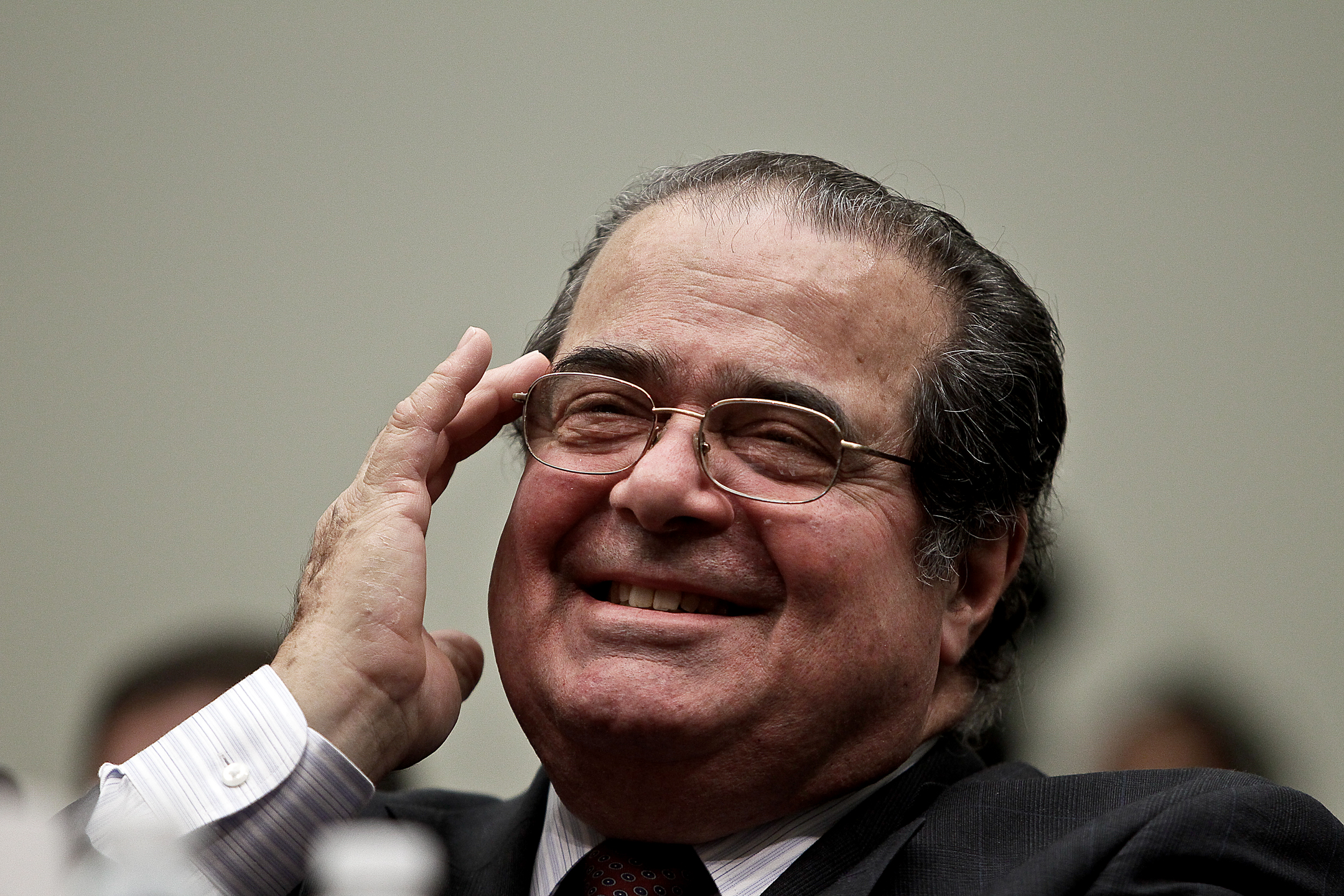
Sen. Bill Cassidy (R-La.) faces a potential primary challenge that could cost him his seat in the U.S. Senate [1].
The situation is critical because recent court rulings on redistricting have altered district maps, intensifying Democratic frustration and creating uncertainty for Republican incumbents. These legal shifts have changed the electoral landscape in Louisiana just before a pivotal election cycle.
The concerns come as the Louisiana Senate primary is scheduled for this weekend [1]. The shifting boundaries have fueled anger among Democrats, who argue the redistricting process has been unfair. This political volatility suggests that the established Republican advantage in certain areas may be eroding.
Cassidy's vulnerability is tied to the intersection of judicial intervention and voter sentiment. As the courts redefine the boundaries of political representation, the risk of a successful primary challenge increases. This dynamic has raised doubts about the re-election prospects of several Republican incumbents across the state [1].
While the specific outcomes of the court rulings have sparked widespread debate, the immediate impact is felt in the lead-up to the weekend vote. The tension reflects a broader national struggle over how district maps are drawn, and the role of the judiciary in overseeing that process. For Cassidy, the result of these legal battles could determine whether he maintains his position in Washington or loses his seat to a challenger.
“Sen. Bill Cassidy (R-La.) faces a potential primary challenge that could cost him his seat.”
The potential vulnerability of Sen. Cassidy highlights how judicial rulings on redistricting can abruptly shift political leverage. When court-mandated map changes occur shortly before an election, they can destabilize incumbents by altering the demographic and partisan makeup of their constituencies, making previously safe seats competitive.