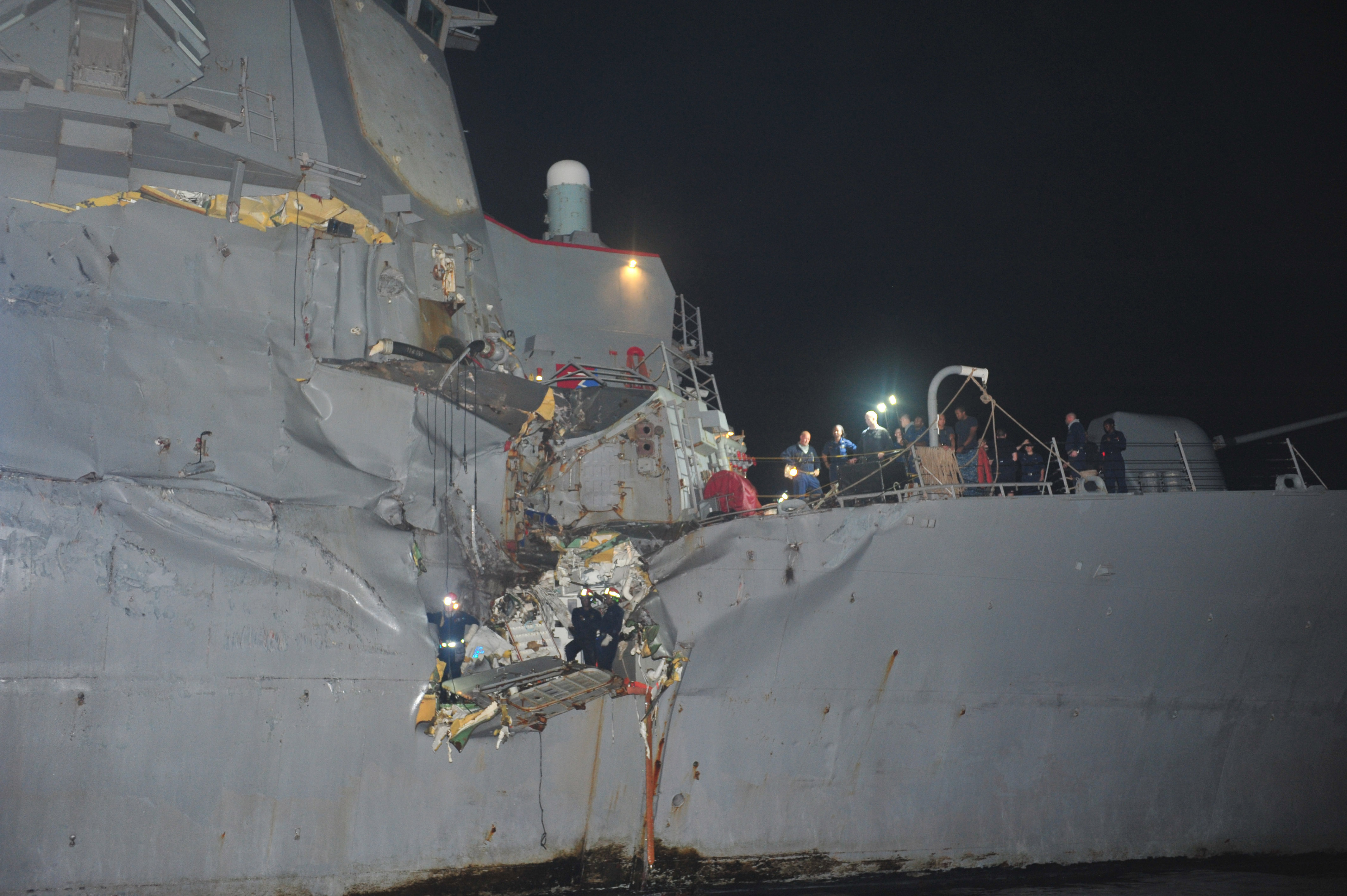
U.S. Central Command said it has redirected 62 commercial vessels and disabled four ships since the Iranian port siege began [1].
These actions aim to counter a blockade of ports in the Strait of Hormuz and the surrounding waters of the Arabian Sea. The operation is designed to maintain freedom of navigation in one of the world's most critical maritime chokepoints, where any disruption can impact global energy markets and trade.
According to CENTCOM, the redirection of 62 commercial vessels [1] was necessary to keep shipping lanes open despite the ongoing siege. The military command said four ships have been disabled [1] during the course of these operations. These measures are part of a broader U.S.-led maritime security effort to enforce international law, and prevent the blockade from restricting legal commercial traffic.
While some reports focus on specific incidents, such as the interception of a sanctioned vessel on April 26, 2024 [2], the overall scale of the operation involves dozens of ships. The command said the operations are focused on neutralizing the impact of the siege and ensuring that commercial traffic can continue to move safely through the region.
The Strait of Hormuz remains a primary point of tension. The U.S. military continues to monitor the area to prevent further disruptions to the flow of goods and oil. The command said these efforts are essential to maintaining stability in the Arabian Sea, and protecting the interests of the international shipping community.
“U.S. Central Command said it has redirected 62 commercial vessels and disabled four ships”
The redirection and disabling of vessels by CENTCOM indicates a high level of operational friction in the Strait of Hormuz. By actively intervening with commercial and sanctioned traffic, the U.S. is attempting to signal that it will not allow a blockade to successfully close the waterway. This strategy prioritizes the physical flow of trade over the risk of escalating maritime confrontations with Iranian forces.


