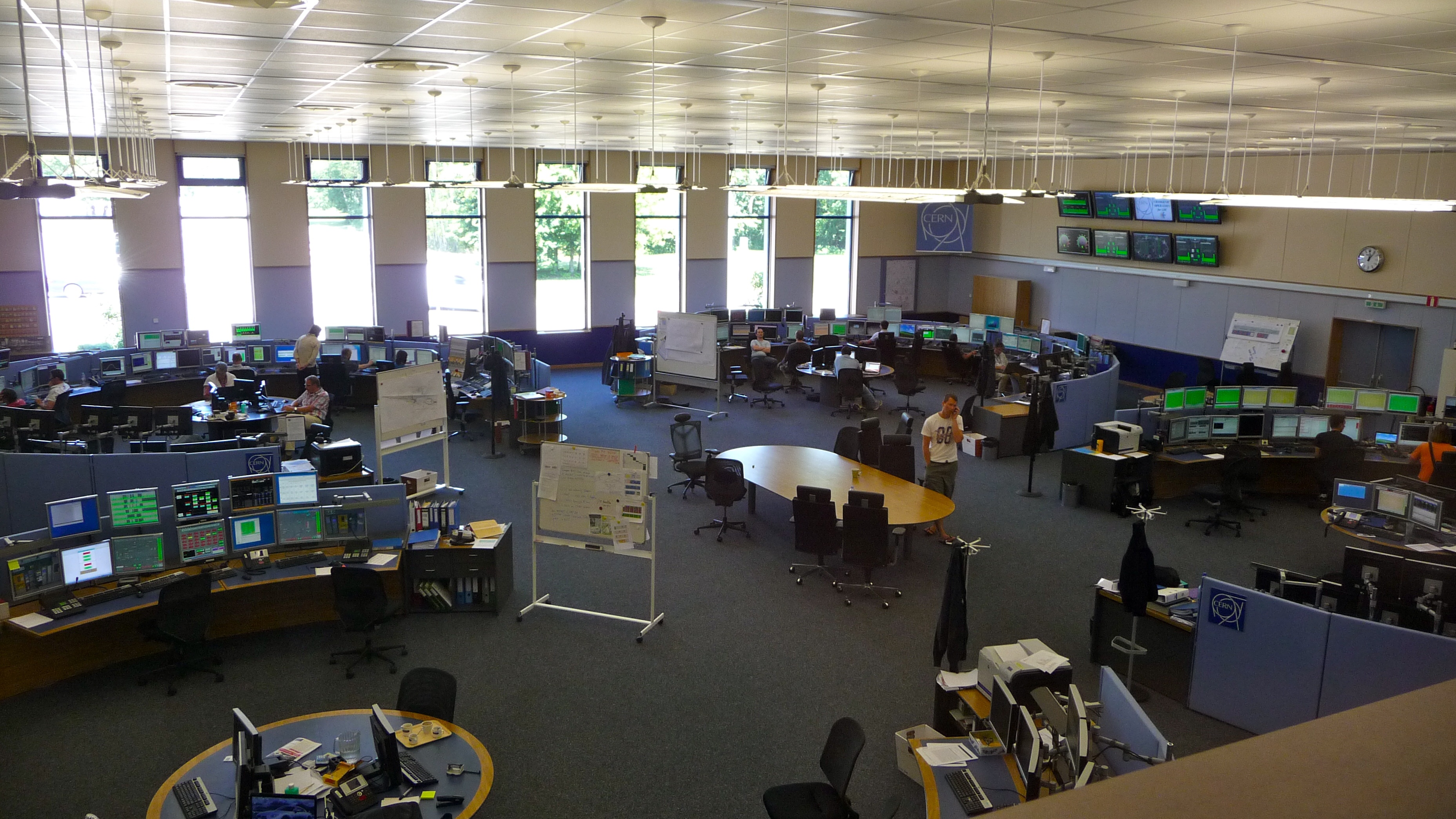
Tim Berners-Lee invented the World Wide Web at CERN between 1989 and 1990 [1].
The development of this technology transformed global communication by turning a specialized tool for physicists into the primary interface for the modern internet. This shift enabled the democratization of information and created the infrastructure for the current digital economy.
Berners-Lee created the system while working at the European Organization for Nuclear Research, known as CERN, located near Geneva, Switzerland [2]. The project was designed to provide a hypertext system that allowed CERN scientists to share and access information more efficiently [1]. This solved the problem of data fragmentation across different computers and operating systems used by the research community.
"The World Wide Web was initially conceived as a tool for CERN scientists," MSN Tecnologia said [2]. The system relied on the ability to link documents together, allowing users to navigate through information without needing a centralized directory.
While the web began as a collaborative tool for science, its creator has since focused on its preservation and ethical evolution. Berners-Lee has called for international cooperation to manage the rise of artificial intelligence. "The web can be saved. Nations must unite to regulate AI," Berners-Lee said [3].
CERN continues to pursue large-scale scientific endeavors. The organization is currently managing the Future Circular Collider project, which carries a budget of 19 billion U.S. dollars [4]. This project reflects the same spirit of international collaboration that characterized the early days of the web's creation.
The transition from a private research tool to a public utility happened rapidly after the initial prototype. By establishing open standards, CERN ensured that the web remained a global resource rather than a proprietary product owned by a single entity.
“The World Wide Web was initially conceived as a tool for CERN scientists.”
The origin of the World Wide Web highlights the role of academic and non-profit research in driving global technological shifts. Because the web was born in a collaborative environment like CERN, it was built on open protocols rather than closed commercial interests, which allowed it to scale globally. However, the current push for AI regulation suggests that the original decentralized vision of the web is now facing new challenges from centralized algorithmic control.


