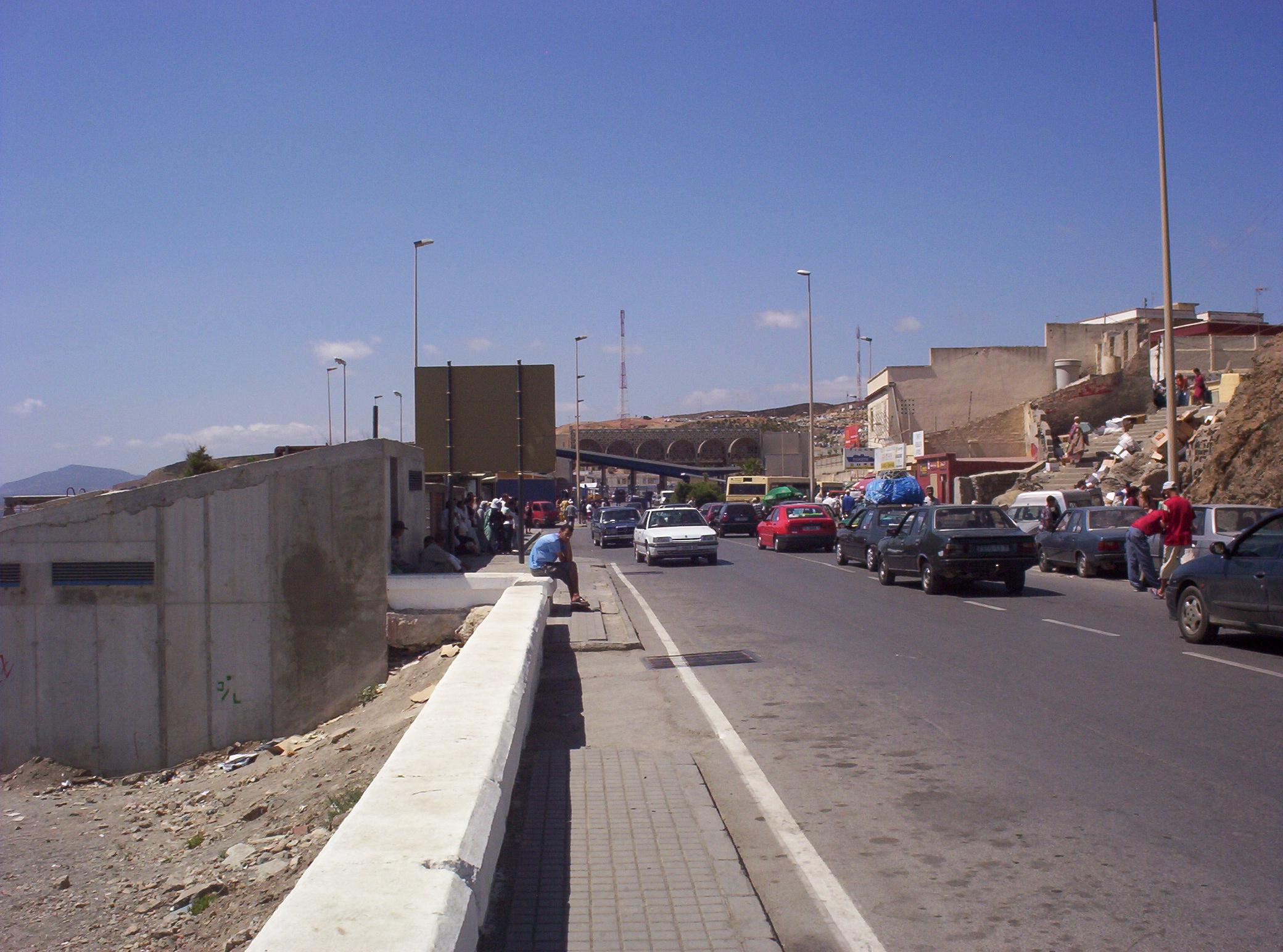
At least 72 people died after thousands of Moroccan migrants attempted to storm the border of the Spanish enclave of Ceuta in June 2026 [1].
The incident highlights the volatility of migration routes in North Africa and the potential for sudden, mass movements to overwhelm border security infrastructure.
Reports on the scale of the surge vary. Some sources said that tens of thousands of migrants overwhelmed the border [2], while other reports specify that 60,000 migrants stormed the enclave [3]. The chaos resulted in a significant loss of life as people attempted to breach the perimeter to enter Spanish territory.
Steve Price, a host for Sky News Australia, commented on the scale of the event during a broadcast. "When I see the incredible pictures of those Moroccan illegals crossing into Spanish territory, I can't believe the numbers," Price said [2].
There is ongoing debate regarding the catalyst for the surge. Some commentators said that recent changes to Spanish immigration law acted as an incentive for migrants to seek residency, effectively serving as a "carrot" that prompted the crossing [2]. Other reports said the surge was not directly linked to specific Spanish policies but was instead the result of broader migration pressures originating from Morocco [1].
UK Minister Robert Jenrick has issued warnings regarding the implications of the Ceuta crisis for other European borders [3]. The event has placed renewed pressure on the Spanish government to manage its borders, while addressing the humanitarian needs of those attempting to enter the European Union.
“At least 72 people died after thousands of Moroccan migrants attempted to storm the border.”
The Ceuta border crisis illustrates the tension between national security and humanitarian obligations. The disagreement over whether Spanish policy changes or regional Moroccan pressures drove the surge suggests that small shifts in legal frameworks can have immediate, large-scale physical consequences at border crossings. This event likely increases pressure on EU member states to coordinate migration deterrents and residency laws to prevent similar mass-casualty events.


