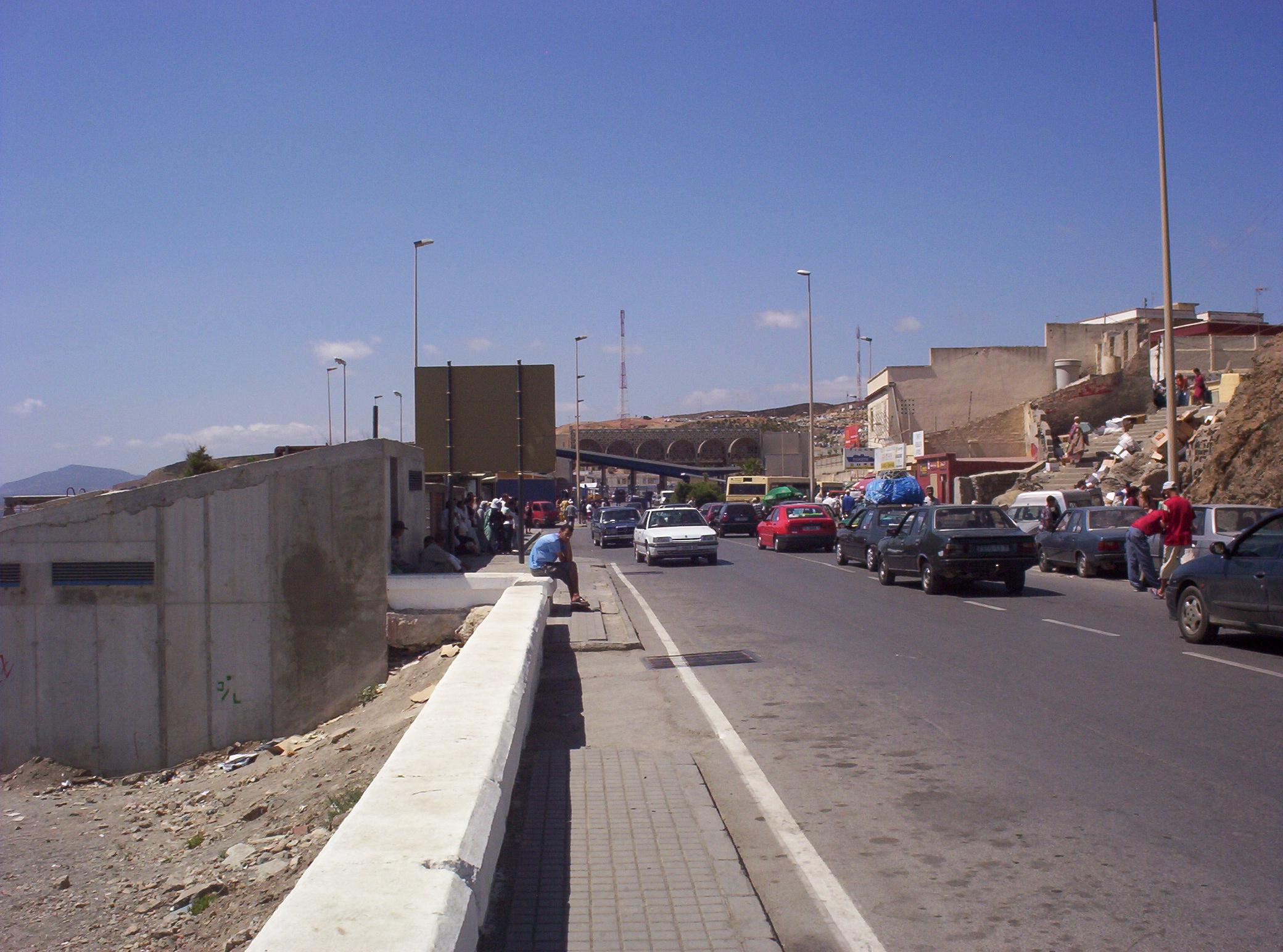
At least 57 people died after thousands of Moroccan migrants breached the border into the Spanish enclave of Ceuta in May 2024 [3].
The incident highlights the extreme risks migrants face when attempting to enter Europe and the volatile security dynamics between Spain and Morocco.
Reports indicate that approximately 60,000 people [3] crossed into the North African enclave during the surge. Some sources estimate the number of arrivals was closer to 50,000. Spanish authorities deployed security forces to control the influx as migrants, driven by economic hardship, attempted to enter the territory.
Following the crossing, a significant number of migrants chose to leave the enclave. More than 48,000 people [1] voluntarily returned to Morocco. A spokesperson for the Spanish Interior Ministry said tens of thousands of migrants have voluntarily returned to Morocco after crossing into Ceuta [1].
Those who remained in the enclave reported difficult conditions. One unnamed migrant said, "We are forced to go back because there is no food and we feel threatened here" [2]. The perceived hostility and lack of basic necessities drove the decision for many to return to Morocco.
A Spanish government official said at least 57 people died after the breach of the Ceuta border [3]. The deaths occurred during the chaotic attempts to penetrate the border fences and secure entry into the Spanish territory.
“At least 57 people have died after the breach of the Ceuta border.”
The mass breach and subsequent voluntary return of thousands of migrants underscore the desperation of those seeking economic stability in Europe. The high death toll and the rapid reversal of the crossing suggest that the perceived opportunities in the enclave were outweighed by immediate survival needs and the effectiveness of Spanish security measures.

'%2F%3E%0A%20%20%20%20%3Crect%20width%3D'1600'%20height%3D'900'%20fill%3D'url(%23v)'%2F%3E%0A%20%20%20%20%3Cg%20opacity%3D'0.08'%20fill%3D'%23ffffff'%3E%0A%20%20%20%20%20%20%3Ccircle%20cx%3D'1420'%20cy%3D'180'%20r%3D'220'%2F%3E%0A%20%20%20%20%20%20%3Ccircle%20cx%3D'1500'%20cy%3D'760'%20r%3D'120'%2F%3E%0A%20%20%20%20%3C%2Fg%3E%0A%20%20%20%20%3Cline%20x1%3D'80'%20y1%3D'172'%20x2%3D'220'%20y2%3D'172'%20stroke%3D'%23ffffff'%20stroke-width%3D'3'%20stroke-opacity%3D'0.6'%2F%3E%0A%20%20%20%20%3Ctext%20x%3D'80'%20y%3D'140'%20font-family%3D'Inter%2C%20-apple-system%2C%20Helvetica%2C%20sans-serif'%20font-weight%3D'700'%20font-size%3D'28'%20fill%3D'%23ffffff'%20letter-spacing%3D'6'%3EHANNA%20%C2%B7%20NEWS%3C%2Ftext%3E%0A%20%20%20%20%3Ctext%20x%3D'80'%20y%3D'230'%20font-family%3D'Inter%2C%20-apple-system%2C%20Helvetica%2C%20sans-serif'%20font-weight%3D'600'%20font-size%3D'40'%20fill%3D'%23ffffffb3'%20letter-spacing%3D'4'%3EWORLD%3C%2Ftext%3E%0A%20%20%20%20%3Ctext%20x%3D'80'%20y%3D'622'%20font-family%3D'Playfair%20Display%2C%20Georgia%2C%20serif'%20font-weight%3D'800'%20font-size%3D'86'%20fill%3D'%23ffffff'%20letter-spacing%3D'-1'%3EChile%20Issues%20Red%20Alert%20for%3C%2Ftext%3E%3Ctext%20x%3D'80'%20y%3D'721'%20font-family%3D'Playfair%20Display%2C%20Georgia%2C%20serif'%20font-weight%3D'800'%20font-size%3D'86'%20fill%3D'%23ffffff'%20letter-spacing%3D'-1'%3EArauco%20Due%20to%20River%20Overflow%3C%2Ftext%3E%3Ctext%20x%3D'80'%20y%3D'820'%20font-family%3D'Playfair%20Display%2C%20Georgia%2C%20serif'%20font-weight%3D'800'%20font-size%3D'86'%20fill%3D'%23ffffff'%20letter-spacing%3D'-1'%3ERisk%3C%2Ftext%3E%0A%20%20%20%20%3Ctext%20x%3D'80'%20y%3D'870'%20font-family%3D'Inter%2C%20-apple-system%2C%20Helvetica%2C%20sans-serif'%20font-weight%3D'500'%20font-size%3D'22'%20fill%3D'%23ffffff66'%20letter-spacing%3D'2'%3Enews.hanna-ai.com%3C%2Ftext%3E%0A%20%20%3C%2Fsvg%3E)