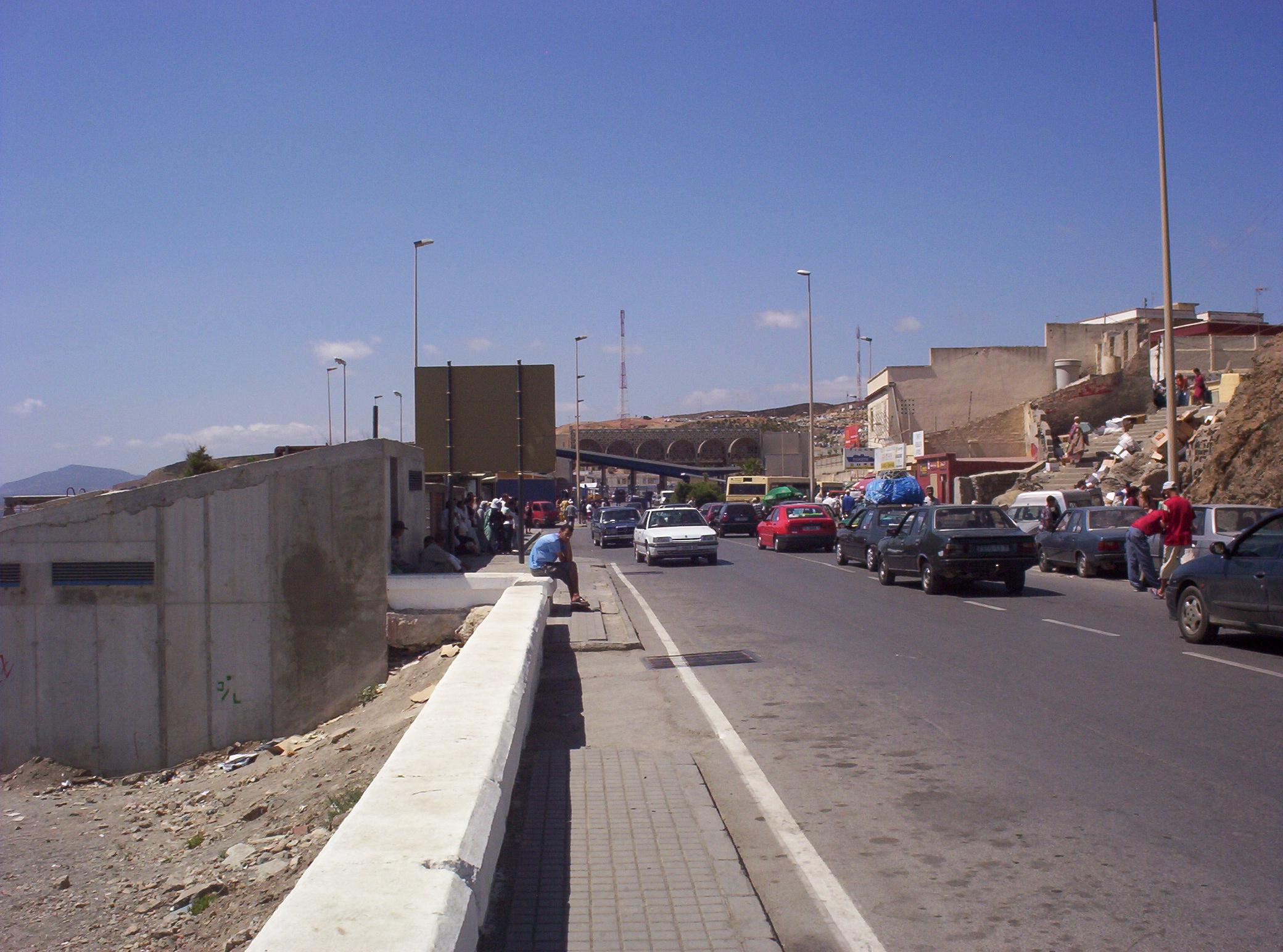
Thousands of Moroccan migrants broke through the border into the Spanish enclave of Ceuta on July 30 [2].
The breach highlights the volatility of migration routes into Europe and the fragility of border controls in autonomous Spanish territories. This event has intensified political debates regarding how Spain and the European Union manage migration flows from North Africa.
The crossing concentrated heavily around the Tarajal beach area [1, 2]. The group included families, women, and children [1]. Reports on the scale of the incident vary, with some sources stating thousands breached the border [2], while others report more than 50,000 migrants entered in a single day [1].
The humanitarian cost of the surge was severe. At least 57 migrants died during the breach [1].
Spanish authorities faced immediate criticism following the incident. The chaos at the border has been used by political opponents to challenge the effectiveness of current border-control policies [1]. Some critics said the event is evidence of a failure in socialist border management [3].
Ceuta, located on Morocco's northern coast, remains a primary point of entry for those seeking to enter the European Union. The suddenness of the July 30 surge overwhelmed local security forces and sparked a broader discussion on the legality and ethics of border enforcement in the region [1].
“At least 57 migrants died during the breach.”
The scale of the Ceuta breach serves as a catalyst for far-right political mobilization in Spain, shifting the conversation from humanitarian management to national security. By highlighting the vulnerability of the enclave, the incident puts pressure on the Spanish government to either tighten border restrictions or renegotiate migration agreements with Morocco to prevent future mass surges.
'%2F%3E%0A%20%20%20%20%3Crect%20width%3D'1600'%20height%3D'900'%20fill%3D'url(%23v)'%2F%3E%0A%20%20%20%20%3Cg%20opacity%3D'0.08'%20fill%3D'%23ffffff'%3E%0A%20%20%20%20%20%20%3Ccircle%20cx%3D'1420'%20cy%3D'180'%20r%3D'220'%2F%3E%0A%20%20%20%20%20%20%3Ccircle%20cx%3D'1500'%20cy%3D'760'%20r%3D'120'%2F%3E%0A%20%20%20%20%3C%2Fg%3E%0A%20%20%20%20%3Cline%20x1%3D'80'%20y1%3D'172'%20x2%3D'220'%20y2%3D'172'%20stroke%3D'%23ffffff'%20stroke-width%3D'3'%20stroke-opacity%3D'0.6'%2F%3E%0A%20%20%20%20%3Ctext%20x%3D'80'%20y%3D'140'%20font-family%3D'Inter%2C%20-apple-system%2C%20Helvetica%2C%20sans-serif'%20font-weight%3D'700'%20font-size%3D'28'%20fill%3D'%23ffffff'%20letter-spacing%3D'6'%3EHANNA%20%C2%B7%20NEWS%3C%2Ftext%3E%0A%20%20%20%20%3Ctext%20x%3D'80'%20y%3D'230'%20font-family%3D'Inter%2C%20-apple-system%2C%20Helvetica%2C%20sans-serif'%20font-weight%3D'600'%20font-size%3D'40'%20fill%3D'%23ffffffb3'%20letter-spacing%3D'4'%3EWORLD%3C%2Ftext%3E%0A%20%20%20%20%3Ctext%20x%3D'80'%20y%3D'622'%20font-family%3D'Playfair%20Display%2C%20Georgia%2C%20serif'%20font-weight%3D'800'%20font-size%3D'86'%20fill%3D'%23ffffff'%20letter-spacing%3D'-1'%3EChile%20Issues%20Red%20Alert%20for%3C%2Ftext%3E%3Ctext%20x%3D'80'%20y%3D'721'%20font-family%3D'Playfair%20Display%2C%20Georgia%2C%20serif'%20font-weight%3D'800'%20font-size%3D'86'%20fill%3D'%23ffffff'%20letter-spacing%3D'-1'%3EArauco%20Due%20to%20River%20Overflow%3C%2Ftext%3E%3Ctext%20x%3D'80'%20y%3D'820'%20font-family%3D'Playfair%20Display%2C%20Georgia%2C%20serif'%20font-weight%3D'800'%20font-size%3D'86'%20fill%3D'%23ffffff'%20letter-spacing%3D'-1'%3ERisk%3C%2Ftext%3E%0A%20%20%20%20%3Ctext%20x%3D'80'%20y%3D'870'%20font-family%3D'Inter%2C%20-apple-system%2C%20Helvetica%2C%20sans-serif'%20font-weight%3D'500'%20font-size%3D'22'%20fill%3D'%23ffffff66'%20letter-spacing%3D'2'%3Enews.hanna-ai.com%3C%2Ftext%3E%0A%20%20%3C%2Fsvg%3E)

